Food businesses constantly look for ways to keep products fresh longer, appealing, and cost-effective. Deciding between Modified Atmosphere Packaging (MAP) E vacuum packaging directly impacts your bottom line, from reduced spoilage to customer satisfaction.
This article explores the fundamental differences, comparing how each method extends shelf life for products like meat and produce, and how they affect visual appeal. We also examine the equipment complexity and a cost comparison, showing that a MAP system can have an initial investment often three times higher than a vacuum machine, along with an additional $0.02–$0.05 per package for gas mixtures.
The Fundamentals: How MAP and Vacuum Differ
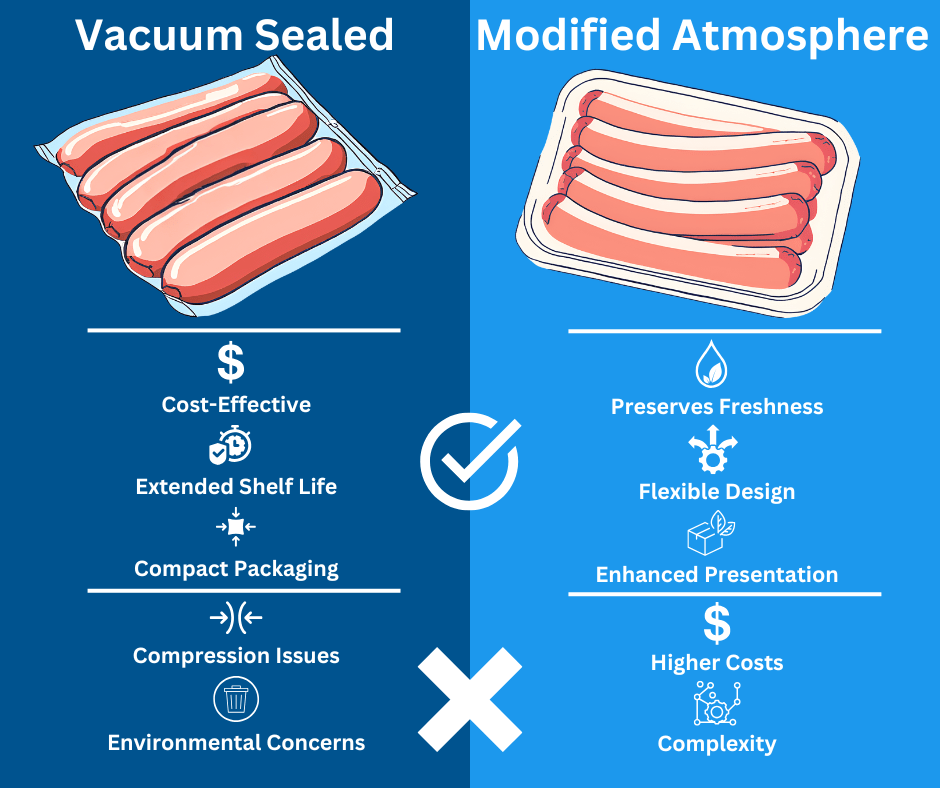
MAP (Modified Atmosphere Packaging) and vacuum packaging both extend food shelf life by reducing oxygen, but they differ fundamentally in method. Vacuum removes most air to create low pressure, leaving approximately 0.21% equivalent oxygen. MAP replaces ambient air with a tailored gas mix, such as nitrogen (N2), carbon dioxide (CO2), or oxygen (O2), often achieving oxygen levels below 1%.
Core Principles of Atmosphere Modification
Vacuum packaging extracts most air to create low pressure, typically reaching 10 millibars, which leaves approximately 0.21% equivalent oxygen.
Modified Atmosphere Packaging (MAP packaging) replaces ambient air with a specific, tailored gas mix, often including nitrogen (N2), carbon dioxide (CO2), or oxygen (O2), to achieve oxygen levels below 1%.
Methodology and Oxygen Control
Vacuum packaging physically removes air, inhibiting aerobic bacteria, oxidation, and moisture buildup, but cannot achieve a total vacuum; residual oxygen remains.
MAP utilizes gas flushing or vacuum replacement to precisely adjust O2 and CO2 levels, for example, maintaining low oxygen for meats or balanced levels for produce, then hermetically seals the package to maintain the custom atmosphere.
Shelf-Life Analysis: Which Method Wins for Meat vs. Produce?
Vacuum packaging generally delivers a longer shelf life for uncooked meats. For fresh produce, Modified Atmosphere Packaging (MAP) is typically superior, preserving quality without causing physical damage due to its tailored gas mixtures.
Shelf Life for Meats: Vacuum Packaging’s Edge
For fresh red meat, high-oxygen Modified Atmosphere Packaging (MAP) provides a retail shelf life of 4-7 days, with some cases extending up to 9-12 days when stored around 2°C. This method typically uses about 80% oxygen with carbon dioxide to maintain a bright red color.
Vacuum-packaged fresh beef and pork commonly achieve 1-3 settimane (7-21 days) of shelf life when kept at 2-4°C. Industry data shows vacuum packaging can extend chilled shelf life to 14-60 days for general fresh products.
Scientific reviews consistently identify vacuum packaging combined with refrigeration as the most effective method for extending uncooked meat shelf life. This approach often outperforms MAP for maximizing chilled duration, creating an anaerobic environment that inhibits microbial growth and preserves sensory qualities like juiciness and tenderness.
Frozen vacuum-packed meat products can maintain their quality for an impressive 2-3 anni. In contrast, MAP typically offers a shorter shelf life for frozen items, usually ranging from 6-12 months.
Shelf Life for Fresh Produce: MAP’s Functional Superiority
MAP is the preferred method for high-respiration fresh fruits and vegetables. This is because it uses tailored gas mixtures, including CO2, O2, and N2, which precisely adjust the package atmosphere to slow metabolism and microbial growth.
These specific gas compositions effectively slow down the natural respiration and microbial activity in produce. This process maintains the quality of the product without causing physical damage or deformation, which can happen with other packaging methods.
Vacuum packaging is not suitable for delicate produce. Applying a high vacuum can cause compression damage and lead to physiological disorders in fruits and vegetables, as the packaging tightly clings and distorts soft or irregular items. This method is better for non-deformable, oxidation-resistant foods.
MAP for produce ensures optimal shelf-life extension by carefully matching the gas composition to the product’s respiration rate. This not only preserves appearance and texture but also allows for extended life, often two to four times longer than air storage, depending on the product.
Elevate Your Production with Smart Packaging Machinery
Visual Appeal: The “Crush” Factor in Vacuum Packaging
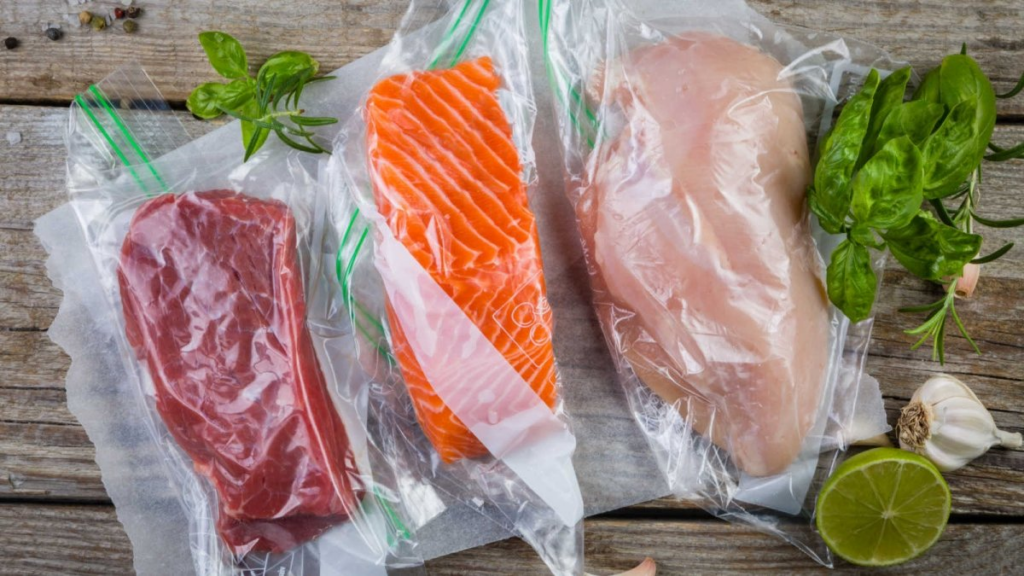
Defining the ‘Crush Factor’ and its Visual Consequences
Vacuum packaging often reduces the visual appeal of products compared to MAP due to the ‘crush’ effect. Qui, the packaging material tightly conforms to the product, distorting its shape and appearance.
This distortion occurs because vacuum packaging evacuates all air, causing the film to form an airtight seal directly around the product. This can crush soft or irregularly shaped items like meats, cheeses, or produce.
MAP’s Aesthetic Advantage and Consumer Perception
Modified Atmosphere Packaging (MAP) maintains a product’s natural shape and enhances its presentation. It uses a gas mixture that fills the package without compression, preserving color, texture, and an attractive, plump look ideal for retail display.
For high-visibility retail, especially fresh meats needing maintained color and a fluffy appearance, MAP is favored. Vacuum packaging, while functional for storage, offers less visual appeal on shelves.
Machine Requirements: Comparing Hardware Complexity
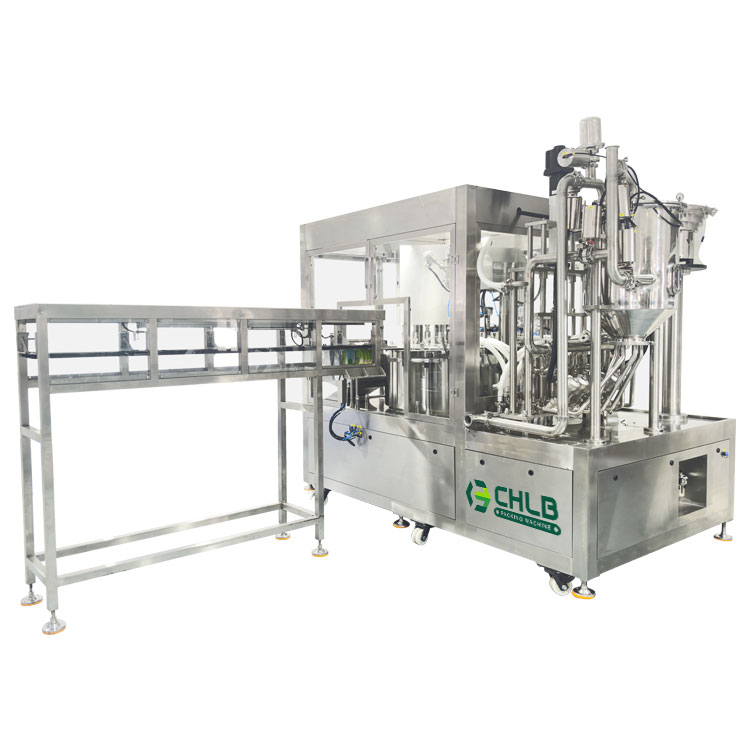
Vacuum packaging machines have a simpler design, centered on pumps and seals, while Modified Atmosphere Packaging (MAP) machines require more intricate components like gas mixers, precise flow controls, and specialized sealing to manage gas mixtures.
Core Design Principles: Vacuum vs. MAP Machinery
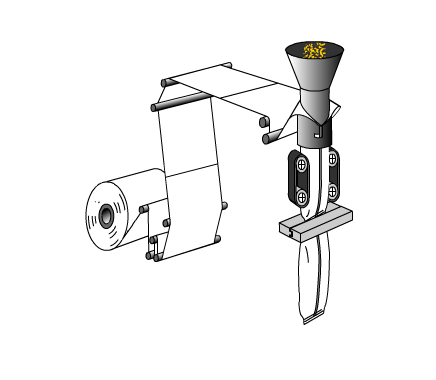
Vacuum packaging machines, effective in 2026, are simpler in design, focusing on robust vacuum pumps and sealing mechanisms to remove all air.
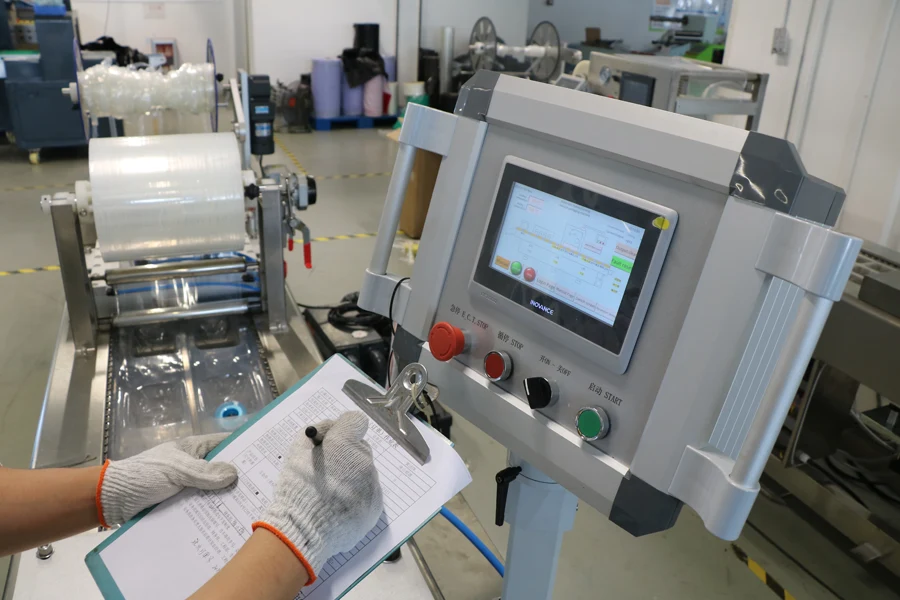
MAP machines, by contrast, are designed to replace air with precise gas mixtures, fundamentally requiring gas flushing systems and intricate controls.
Component Complexity and Operational Demands
Vacuum systems prioritize durable pumps and seals, making them suitable for products tolerant to compression and for cost-sensitive operations.
MAP systems demand more complex components such as gas mixers, precise flow controls, and specialized hermetic sealing capabilities for delicate perishables.
The enhanced complexity of MAP machinery supports a wider range of packaging formats in 2026, including tray sealers, thermoformers, E flow pack sistemi.
Consumer Preferences and Market Trends
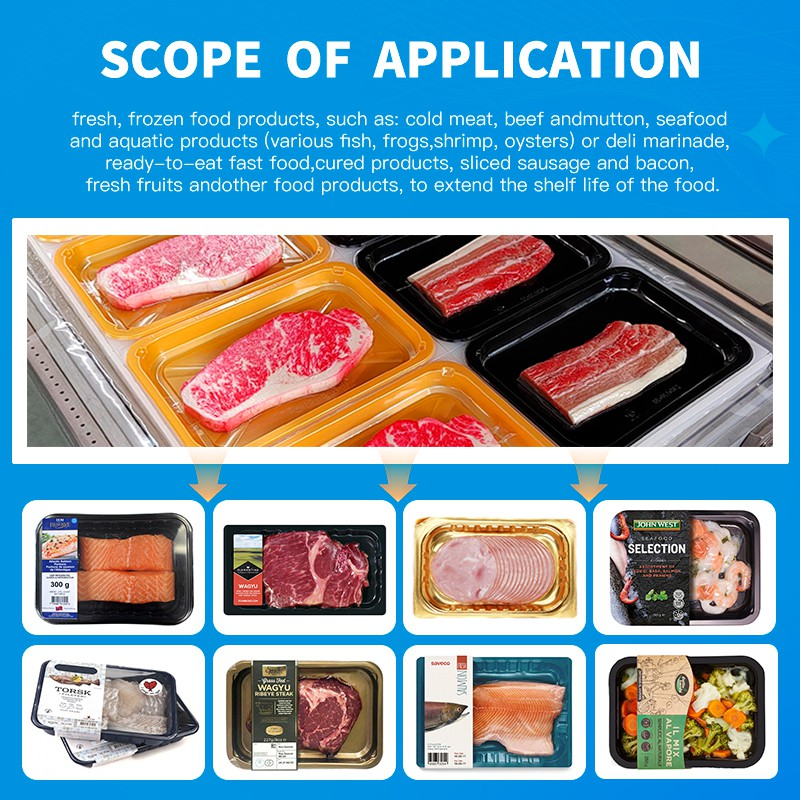
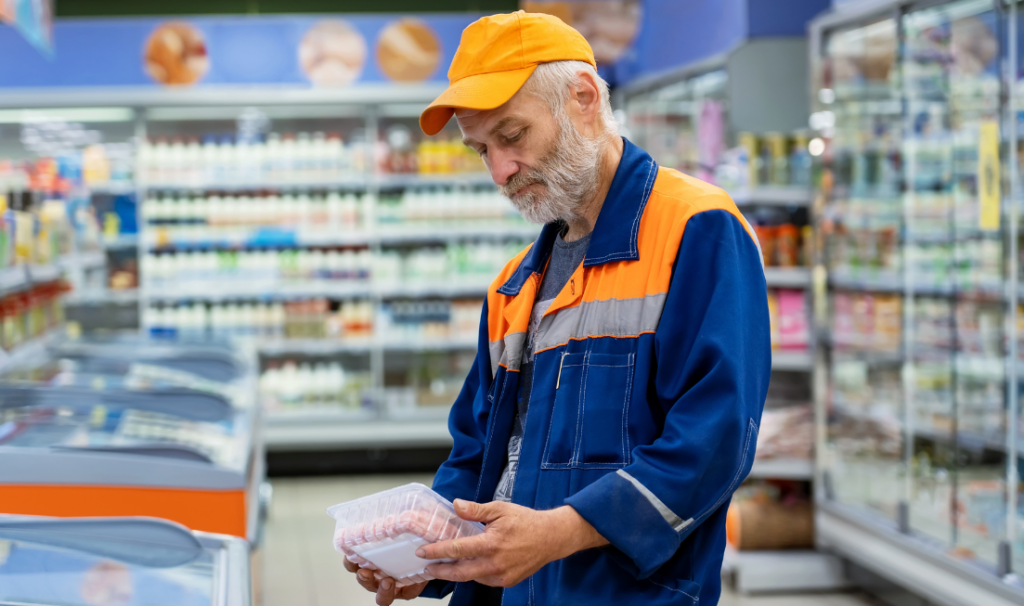
Consumers prioritize product freshness, visual appeal, and eating quality, which often leads to a preference for MAP for items like red meat and fish that benefit from bright color retention and reduced liquid loss. Vacuum packaging is chosen when maximum shelf life and cost-effectiveness are primary concerns, despite its impact on appearance. Balancing value, convenience, and sustainability also influences decisions, with retail consumers often favoring the presentation and ease of MAP, while foodservice and export markets lean towards the compactness, longer storage, and lower cost of vacuum packaging.
Consumer Demand for Sensory Quality and Extended Freshness
Consumers prioritize extended freshness. They often associate MAP with a ‘fresh look’ for meat and fish because it retains bright colors. Vacuum packaging is accepted for maximum shelf-life despite a darker appearance.
Visual appeal is important, especially for red meat. MAP helps maintain higher lightness (CIE L*) and redness (a*), counteracting the darker, more purged look vacuum packaging can create.
Eating quality depends on texture, drip loss (weight loss percentage), and oxidative changes. MAP can reduce liquid loss, and vacuum packaging controls oxidation.
Off-odors and flavors are very noticeable to consumers. MAP’s gas mixes can lessen oxidative rancidity. Vacuum packaging sometimes develops characteristic anaerobic odors, which some experienced buyers tolerate if they dissipate.
Balancing Value, Convenience, and Sustainability in Packaging Choices
Price affects purchasing decisions. MAP often costs more because of specialized films and gas, making it suitable for premium products. Vacuum packaging offers a more cost-effective choice.
Convenience factors, such as ease of handling, stacking, and opening, favor MAP trays for ready-to-cook items. Experienced users, however, often prefer vacuum packs for freezer storage and sous-vide cooking.
Sustainability views examine packaging footprint (packaging weight per kg product) and the gas used in MAP. Still, extending shelf-life reduces food waste (product-to-pack ratio), which is a recognized benefit.
Both MAP and vacuum packaging build safety confidence with strong seals and date coding. This appeals to consumers and meets specific requirements in retail, foodservice, and export markets.
Different market segments have clear preferences: retail buyers prioritize appearance and convenience (MAP), while foodservice and export markets value compactness, longer storage, and lower cost (vacuum).
Considerazioni finali
The choice between MAP and vacuum packaging depends on your product’s shelf-life goals, presentation needs, e bilancio. Vacuum packaging offers a cost-effective way to extend freshness, while MAP delivers superior visual appeal and protection for delicate products. Selecting the right method helps balance operational efficiency with market performance.
For reliable MAP and vacuum packaging solutions tailored to your production needs, Gruppo CHLB provides professional food packaging machine systems and technical support. Learn more at:
👉 https://chlbgroup.com/