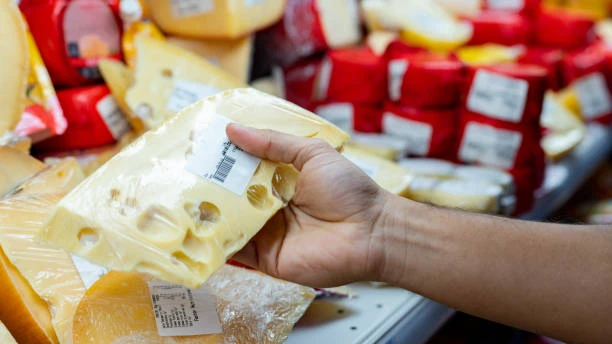
तैयार भोजन पैकेजिंग भोजन की गुणवत्ता की रक्षा में महत्वपूर्ण भूमिका निभाता है, शेल्फ जीवन का विस्तार, और भंडारण और वितरण के दौरान उत्पाद की स्थिरता बनाए रखना. गलत पैकेजिंग सामग्री या कंटेनर से रिसाव का खतरा बढ़ सकता है, उत्पाद जीवन छोटा करें, और उत्पादन और परिवहन लागत बढ़ाएँ.
यह लेख खाद्य उत्पादकों को विभिन्न पैकेजिंग प्रारूपों को समझने में मदद करता है, सामग्री, और उनके तैयार भोजन के लिए उपयुक्त समाधानों की पहचान करने के लिए प्रौद्योगिकियाँ. पैकेजिंग प्रदर्शन और अनुप्रयोग आवश्यकताओं का मूल्यांकन करके, निर्माता उत्पाद की गुणवत्ता में सुधार कर सकते हैं, कूड़ा कम करो, और दीर्घकालिक विश्वसनीयता के साथ अधिक कुशल पैकेजिंग संचालन का निर्माण करें.
खाने के लिए तैयार भोजन पैकेजिंग क्या है?
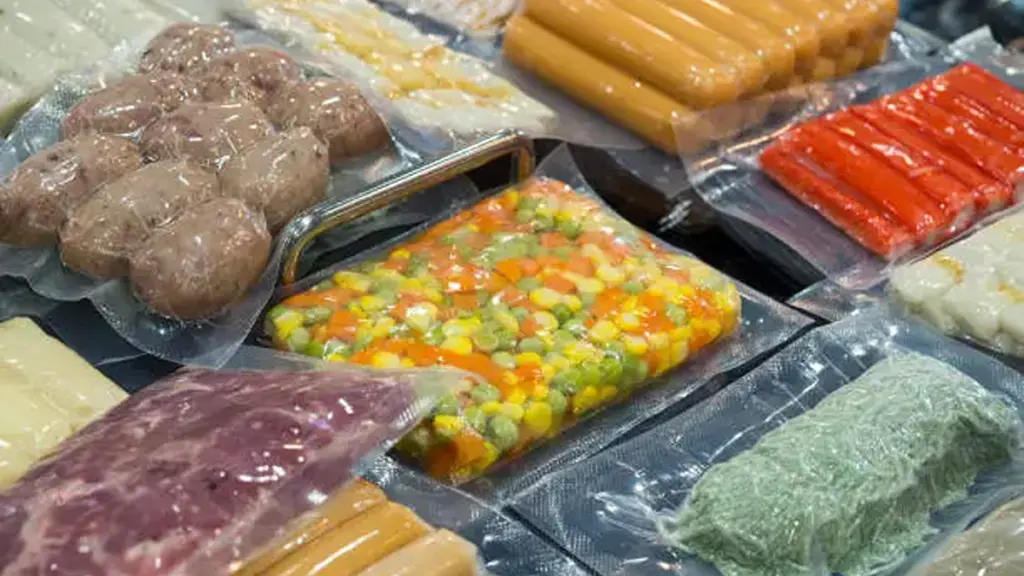
खाने के लिए तैयार भोजन पैकेजिंग विशेष सामग्रियों को जोड़ती है, कंटेनर संरचनाएँ, और तैयार खाद्य पदार्थों की सुरक्षा के लिए सीलिंग तकनीकें. यह निर्माताओं को भोजन की गुणवत्ता बनाए रखने में मदद करता है, शेल्फ जीवन में सुधार करें, और पैकेजिंग से अंतिम खपत तक कुशल उत्पादन का समर्थन करते हैं.
खाने के लिए तैयार पैकेजिंग की परिभाषा और अनुप्रयोग
खाने के लिए तैयार (आरटीई) पैकेजिंग पूरी तरह से तैयार खाद्य पदार्थों के लिए डिज़ाइन की गई पैकेजिंग प्रणालियों को संदर्भित करता है जिन्हें उपभोक्ता सीधे या साधारण दोबारा गर्म करने के बाद खा सकते हैं. मानक खाद्य कंटेनरों के विपरीत, आरटीई पैकेजिंग को विभिन्न सामग्रियों के साथ संपूर्ण भोजन की सुरक्षा करनी चाहिए, बनावट, नमी का स्तर, और भंडारण आवश्यकताएँ.
खाद्य निर्माता आमतौर पर तैयार भोजन पैकेजिंग का उपयोग करते हैं:
- ठंडा तैयार भोजन: रेफ्रिजरेटेड तैयार खाद्य पदार्थ जिन्हें ताजगी संरक्षण और स्थिर कोल्ड-चेन भंडारण की आवश्यकता होती है.
- जमा हुआ भोजन: ऐसे उत्पाद जिन्हें ठंड झेलने के लिए मजबूत पैकेजिंग संरचनाओं की आवश्यकता होती है, परिवहन, और दोबारा गरम करना.
- माइक्रोवेव भोजन: सुविधाजनक उत्पाद जहां पैकेजिंग को सुरक्षित हीटिंग प्रदर्शन प्रदान करना चाहिए और संरचनात्मक स्थिरता बनाए रखनी चाहिए.
- व्यंजन और भोजन किट तैयार की: बहु-घटक भोजन जिसमें स्वाद और बनावट को बनाए रखने के लिए सामग्री को अलग करने की आवश्यकता होती है.
विभिन्न प्रकार के खाद्य पदार्थों के लिए अलग-अलग पैकेजिंग संरचनाओं की आवश्यकता होती है. उदाहरण के लिए, सॉस वाले भोजन में बेहतर नमी नियंत्रण की आवश्यकता हो सकती है, जबकि प्रोटीन-आधारित उत्पादों को ताजगी बनाए रखने के लिए अक्सर मजबूत ऑक्सीजन अवरोधों की आवश्यकता होती है.
पारंपरिक पैकेजिंग की तुलना में, तैयार भोजन समाधानों के लिए सामग्री प्रदर्शन पर सावधानीपूर्वक विचार करने की आवश्यकता होती है, सीलिंग विश्वसनीयता, और लगातार उत्पाद गुणवत्ता सुनिश्चित करने के लिए भंडारण की स्थिति.
तैयार भोजन पैकेजिंग प्रणालियों के मुख्य कार्य
तैयार भोजन पैकेजिंग में भोजन से कहीं अधिक होता है. यह एक सुरक्षात्मक प्रणाली बनाता है जो निर्माताओं को सुरक्षा बनाए रखने में मदद करता है, गुणवत्ता, और पूरे उत्पाद जीवनचक्र में सुविधा.
मुख्य कार्यों में शामिल हैं:
- खाद्य सुरक्षा: ऑक्सीजन के विरुद्ध अवरोध उत्पन्न करता है, नमी, सूक्ष्मजीवों, और संदूषण जोखिमों को कम करने के लिए शारीरिक क्षति.
- शेल्फ जीवन विस्तार: जैसे उन्नत सामग्रियों और प्रौद्योगिकियों का उपयोग करता है संशोधित वातावरण पैकेजिंग (मानचित्र) उत्पाद की गिरावट को धीमा करने के लिए.
- तापमान प्रतिरोध: जमने के दौरान पैकेजिंग की अखंडता बनाए रखता है, प्रशीतन, माइक्रोवेव हीटिंग, या ओवन में खाना पकाना.
- उपभोक्ता सुविधा: आसान उद्घाटन प्रदान करता है, विश्वसनीय सीलिंग, और व्यावहारिक हीटिंग समाधान.
ये फ़ंक्शन बेहतर उत्पाद प्रदर्शन का समर्थन करने के लिए मिलकर काम करते हैं. एक उपयुक्त पैकेजिंग प्रणाली निर्माताओं को अपशिष्ट कम करने में मदद करती है, ताजगी बनाए रखें, और विभिन्न वितरण आवश्यकताओं को पूरा करते हैं.
पैकेजिंग उत्पाद की गुणवत्ता और विनिर्माण क्षमता को कैसे प्रभावित करती है
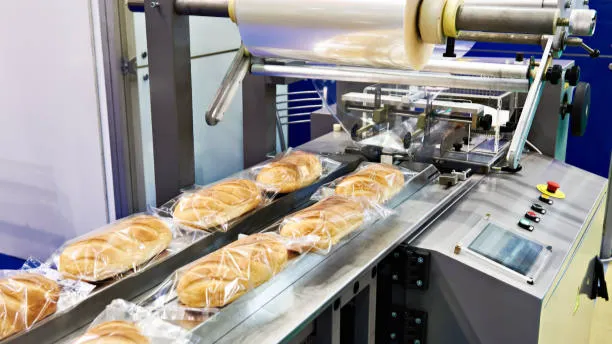
पैकेजिंग प्रदर्शन सीधे उत्पाद की गुणवत्ता और विनिर्माण संचालन दोनों को प्रभावित करता है. खाद्य उत्पादकों के लिए, सही पैकेजिंग समाधान को भरने के साथ प्रभावी ढंग से काम करना चाहिए, मुद्रण, लेबलिंग, और निरीक्षण उपकरण.
लगातार पैकेजिंग आयाम और विश्वसनीय सीलिंग प्रदर्शन उत्पादन रुकावटों को कम करने और स्थिर आउटपुट बनाए रखने में मदद करते हैं. एक ही समय पर, अच्छी तरह से डिज़ाइन की गई ट्रे और फिल्में परिवहन और खुदरा प्रदर्शन के दौरान भोजन की सुरक्षा करते हुए उत्पाद प्रस्तुति में सुधार करती हैं.
प्रभावी पैकेजिंग रिसाव से होने वाले नुकसान को भी कम करती है, नुक़सान, या क्षतिग्रस्त कंटेनर. बड़े पैमाने पर तैयार भोजन निर्माताओं के लिए, ये सुधार परिचालन जोखिमों को कम कर सकते हैं और अधिक कुशल उत्पादन प्रक्रियाओं का समर्थन कर सकते हैं.
तैयार भोजन के लिए सामान्य पैकेजिंग प्रारूप
अलग-अलग तैयार भोजन के लिए उत्पाद प्रकार के आधार पर अलग-अलग पैकेजिंग संरचनाओं की आवश्यकता होती है, प्रसंस्करण के तरीके, और वितरण की जरूरतें. प्रत्येक प्रारूप के फायदों को समझने से निर्माताओं को ऐसे समाधान चुनने में मदद मिलती है जो उत्पाद सुरक्षा में सुधार करते हैं, क्षमता, और बाजार का प्रदर्शन.
ठंडे और जमे हुए भोजन के लिए कठोर ट्रे पैकेजिंग
कठोर ट्रे पैकेजिंग तैयार भोजन के लिए सबसे आम समाधानों में से एक है क्योंकि यह मजबूत संरचनात्मक समर्थन प्रदान करता है, विश्वसनीय सीलिंग प्रदर्शन, और विभिन्न तापन विधियों के साथ अनुकूलता.
निर्माता आमतौर पर कठोर ट्रे का उपयोग करते हैं:
- जमा हुआ भोजन: पास्ता व्यंजन और तैयार व्यंजन जैसे उत्पाद जिन्हें फ्रीजर में भंडारण और दोबारा गर्म करने की आवश्यकता होती है.
- मांस और समुद्री भोजन: ऐसे खाद्य पदार्थ जिन्हें नमी की हानि और बाहरी संदूषण के खिलाफ मजबूत सुरक्षा की आवश्यकता होती है.
- सब्जी के व्यंजन तैयार किये: भोजन जहां भाग नियंत्रण और उत्पाद प्रस्तुति महत्वपूर्ण हैं.
- रेस्तरां शैली में तैयार भोजन: प्रीमियम उत्पाद जिनके लिए आकर्षक स्वरूप और स्थिर परिवहन प्रदर्शन की आवश्यकता होती है.
विभिन्न ट्रे सामग्री अनुप्रयोग के आधार पर अलग-अलग प्रदर्शन विशेषताएँ प्रदान करती हैं:
| सामग्री | विशिष्ट अनुप्रयोग | मुख्य लाभ |
|---|---|---|
| सीपीईटी | ओवन-तैयार और जमे हुए भोजन | उच्च तापमान प्रतिरोध और फ्रीजर से ओवन क्षमता |
| पीपी | माइक्रोवेव भोजन और ठंडा भोजन | हल्की संरचना, गर्मी प्रतिरोध, और बहुमुखी प्रदर्शन |
| अल्युमीनियम | उच्च तापमान पर खाना पकाने के अनुप्रयोग | उत्कृष्ट गर्मी हस्तांतरण और मजबूत बाधा सुरक्षा |
वैक्यूम त्वचा पैकेजिंग और थर्मोफॉर्म पैकेजिंग
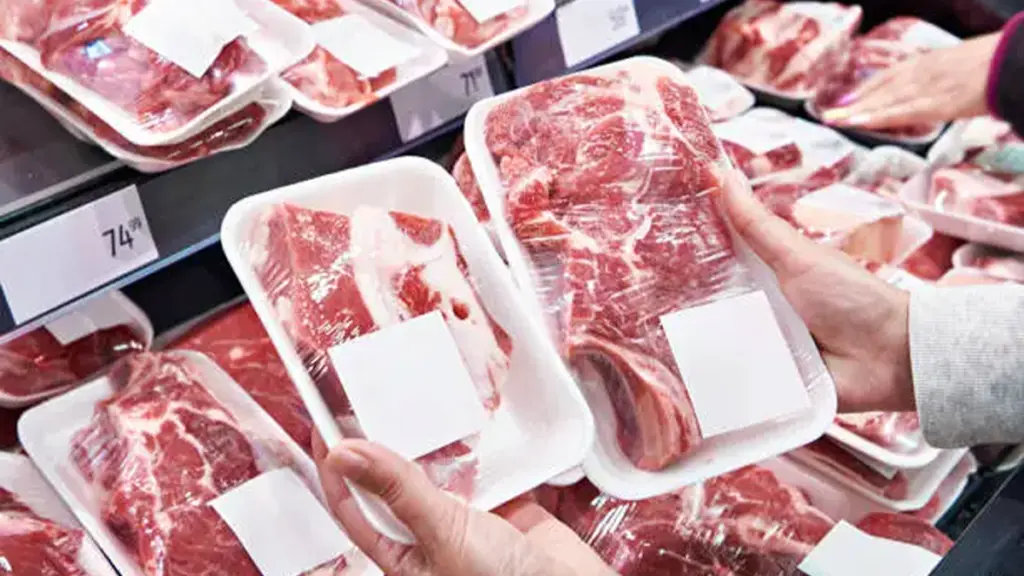
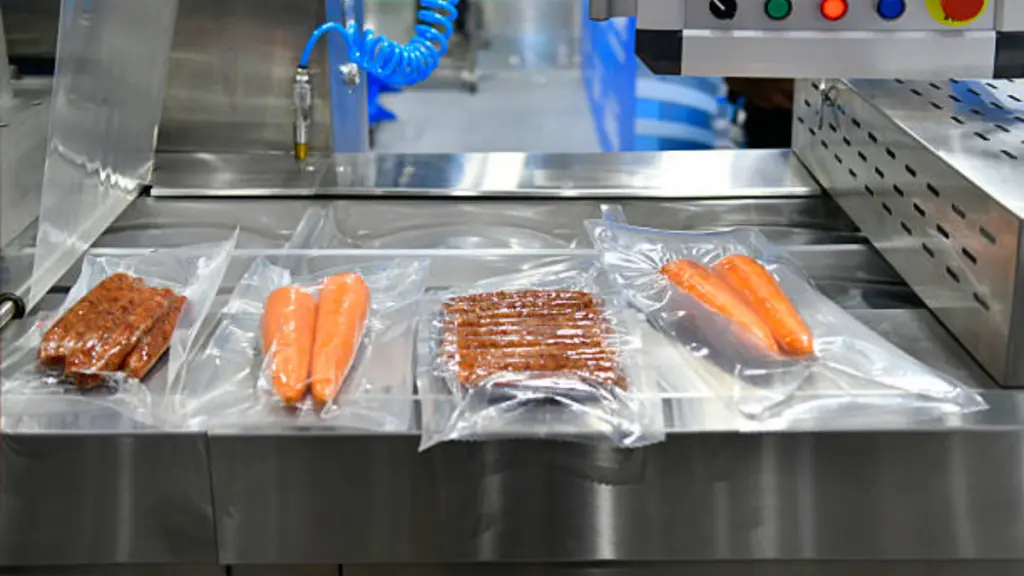
वैक्यूम त्वचा पैकेजिंग (वी.एस.पी) पैकेज के अंदर अतिरिक्त हवा को हटाकर उत्पाद और शीर्ष फिल्म के बीच एक मजबूत संबंध बनाता है. यह संरचना भोजन को सुरक्षित स्थान पर रखते हुए ऑक्सीजन के जोखिम को कम करती है, इसे उन उत्पादों के लिए उपयुक्त बनाना जहां उपस्थिति और ताजगी महत्वपूर्ण है.
सामान्य अनुप्रयोगों में शामिल हैं:
- ताजा मांस भोजन: उत्पाद के आकार और दृश्य गुणवत्ता को बनाए रखने में मदद करता है.
- समुद्री भोजन उत्पाद: प्रशीतित भंडारण के दौरान बेहतर सुरक्षा प्रदान करता है.
- प्रीमियम तैयार भोजन: स्वच्छ और कॉम्पैक्ट पैकेज डिज़ाइन के साथ खुदरा प्रस्तुति को बढ़ाता है.
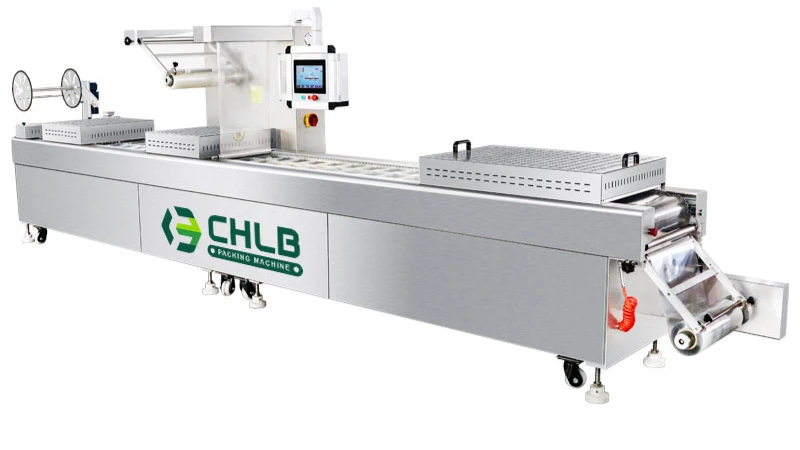
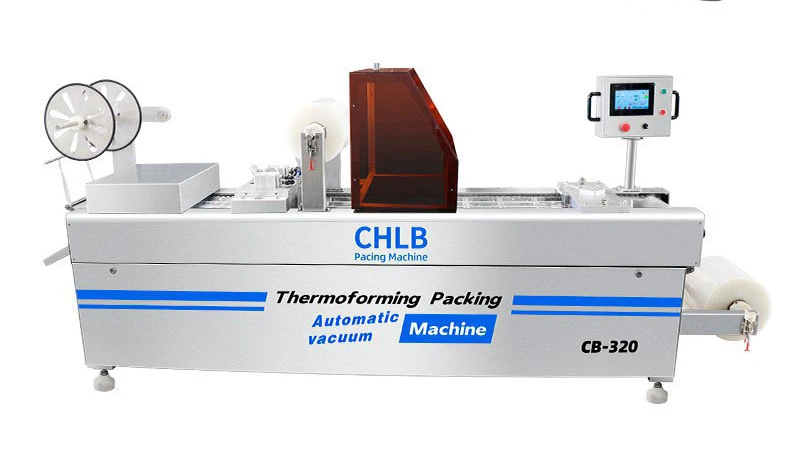
उच्च मात्रा में उत्पादन आवश्यकताओं वाले निर्माताओं द्वारा थर्मोफॉर्मेड पैकेजिंग का व्यापक रूप से उपयोग किया जाता है. प्रक्रिया के दौरान, भरने और सील करने से पहले प्लास्टिक फिल्म को गर्म किया जाता है और अनुकूलित ट्रे में आकार दिया जाता है.
मानक कंटेनरों की तुलना में, थर्मोफोर्म्ड पैकेजिंग पैकेज आयामों और उत्पादन स्थिरता पर बेहतर नियंत्रण प्रदान करती है. यह अनुकूलित डिज़ाइनों के माध्यम से सामग्री अपशिष्ट को कम करते हुए स्वचालित पैकेजिंग लाइनों का समर्थन करता है.
यह प्रारूप विशेष रूप से उन निर्माताओं के लिए उपयुक्त है जिन्हें विश्वसनीय आउटपुट की आवश्यकता होती है, अनुकूलित पैकेजिंग आकार, और कुशल बड़े पैमाने पर उत्पादन.
सुविधाजनक खाद्य पदार्थों के लिए लचीले पैकेजिंग प्रारूप
लचीली पैकेजिंग, शामिल पाउच, कप, कटोरे, और सीपी कंटेनर, कई सुविधाजनक खाद्य अनुप्रयोगों के लिए हल्के समाधान प्रदान करता है. इन प्रारूपों का चयन अक्सर तब किया जाता है जब निर्माताओं को कुशल भंडारण की आवश्यकता होती है, परिवहन, और उपभोक्ता प्रबंधन.
विशिष्ट अनुप्रयोगों में शामिल हैं:
- सूप और सॉस: विश्वसनीय सीलिंग वाले हल्के कंटेनरों की आवश्यकता वाले उत्पाद.
- हल्का तैयार भोजन: सुविधाजनक भोजन जहां पैकेज का कम वजन फायदेमंद होता है.
- सलाद और तैयार भोजन: ऐसे उत्पाद जिनके लिए आसान पहुंच और आकर्षक प्रस्तुति की आवश्यकता होती है.
कठोर पैकेजिंग की तुलना में, लचीले प्रारूप सामग्री के उपयोग और परिवहन भार को कम कर सकते हैं. वे भंडारण स्थान को अनुकूलित करने और लॉजिस्टिक्स दक्षता में सुधार करने वाले ब्रांडों के लिए भी लाभ प्रदान करते हैं.
तथापि, जब उत्पादों में उच्च तापमान होता है तो लचीली पैकेजिंग के लिए सावधानीपूर्वक सामग्री चयन की आवश्यकता होती है, तेज़ सामग्री, या लंबे वितरण चक्र. फिल्म संरचना और सीलिंग तकनीक का सही संयोजन यह सुनिश्चित करता है कि पैकेज पूरे उत्पाद जीवनचक्र में प्रदर्शन बनाए रखता है.
विश्वसनीय तैयार भोजन पैकेजिंग समाधानों के साथ उत्पादकता बढ़ाएँ
तैयार भोजन पैकेजिंग के लिए सही सामग्री का चयन करना
सामग्री की पसंद यह निर्धारित करती है कि गर्म करने के दौरान तैयार भोजन की पैकेजिंग कैसा प्रदर्शन करेगी, भंडारण, परिवहन, और वितरण. निर्माताओं को थर्मल प्रतिरोध को संतुलित करने की आवश्यकता है, बाधा प्रदर्शन, और विश्वसनीय पैकेजिंग समाधान बनाने के लिए स्थिरता की आवश्यकताएं.
माइक्रोवेव और ओवन अनुप्रयोगों के लिए गर्मी प्रतिरोधी सामग्री
जब उत्पाद विभिन्न तापमान स्थितियों से गुजरते हैं तो तैयार भोजन पैकेजिंग को संरचनात्मक स्थिरता बनाए रखनी चाहिए. उपयुक्त सामग्री विरूपण को रोकने में मदद करती है, रिसाव, और दोबारा गर्म करने या पकाने के दौरान सुरक्षा संबंधी मुद्दे.
आदर्श सामग्री आवश्यक तापन प्रदर्शन पर निर्भर करती है:
| पैकेजिंग आवश्यकता | उपयुक्त सामग्री | यह क्यों मायने रखती है |
|---|---|---|
| माइक्रोवेव का पुनः गर्म होना | पीपी | उपभोक्ता हीटिंग के दौरान आकार और स्थिरता बनाए रखता है |
| फ्रीजर-टू-ओवन प्रदर्शन | सीपीईटी | विरूपण के बिना अत्यधिक तापमान परिवर्तन को संभालता है |
| उच्च तापमान पर खाना पकाना | अल्युमीनियम | उत्कृष्ट गर्मी हस्तांतरण और संरचनात्मक ताकत प्रदान करता है |
शेल्फ जीवन संरक्षण के लिए बाधा सामग्री
शेल्फ जीवन इस बात पर निर्भर करता है कि पैकेजिंग ऑक्सीजन को कितने प्रभावी ढंग से नियंत्रित करती है, नमी, और बाहरी संदूषण. अवरोधक सामग्री पैकेज के अंदर अधिक स्थिर वातावरण बनाकर भोजन की गुणवत्ता बनाए रखने में मदद करती है.
सामान्य बाधा समाधानों में शामिल हैं:
- पीईटी फिल्में: अच्छी ताकत प्रदान करें, पारदर्शिता, और विभिन्न तैयार भोजन अनुप्रयोगों के लिए सीलिंग प्रदर्शन.
- ईवीओएच परतें: मजबूत ऑक्सीजन अवरोधक गुण प्रदान करते हैं और आमतौर पर बहुपरत पैकेजिंग संरचनाओं में उपयोग किए जाते हैं.
- हाई-बैरियर लिडिंग फिल्में: सील प्रदर्शन में सुधार करें और नियंत्रित पैकेज स्थितियों को बनाए रखने में मदद करें.
उन उत्पादों के लिए जिन्हें लंबे समय तक ताजगी की आवश्यकता होती है, निर्माता अक्सर बाधा सामग्री को प्रौद्योगिकियों के साथ जोड़ते हैं जैसे संशोधित वातावरण पैकेजिंग (मानचित्र). यह संयोजन भंडारण और वितरण के दौरान उत्पाद की गुणवत्ता बनाए रखते हुए शेल्फ जीवन को बढ़ाने में मदद करता है.
आधुनिक खाद्य पैकेजिंग आवश्यकताओं के लिए टिकाऊ सामग्री
निर्माता तेजी से ऐसी पैकेजिंग सामग्रियों की तलाश कर रहे हैं जो खाद्य सुरक्षा या उत्पादन क्षमता को प्रभावित किए बिना पर्यावरणीय प्रभाव को कम करें. स्थायी समाधानों को पर्यावरणीय लक्ष्यों और व्यावहारिक पैकेजिंग आवश्यकताओं दोनों को पूरा करना चाहिए.
सामान्य दृष्टिकोणों में शामिल हैं:
- मोनो-मटेरियल पीपी संरचनाएं: विश्वसनीय पैकेजिंग प्रदर्शन को बनाए रखते हुए आसान रीसाइक्लिंग का समर्थन करें.
- उपभोक्ता के बाद पुनर्नवीनीकरण किया गया (पीसीआर) प्लास्टिक: वर्जिन सामग्रियों पर निर्भरता कम करें और सामग्री दक्षता में सुधार करें.
- ढाला फाइबर पैकेजिंग: चयनित तैयार भोजन अनुप्रयोगों के लिए नवीकरणीय विकल्प प्रदान करता है.
- हल्के पैकेजिंग डिजाइन: सामग्री के उपयोग और परिवहन लागत को कम करें.
तथापि, स्थिरता को उत्पाद सुरक्षा के साथ मिलकर काम करना चाहिए. प्रभावी टिकाऊ पैकेजिंग को खाद्य सुरक्षा बनाए रखनी चाहिए, शेल्फ जीवन, विनिर्माण अनुकूलता, और संपूर्ण आपूर्ति श्रृंखला में समग्र पैकेजिंग प्रदर्शन.
पैकेजिंग तकनीकें जो शेल्फ जीवन बढ़ाती हैं और खाद्य सुरक्षा में सुधार करती हैं
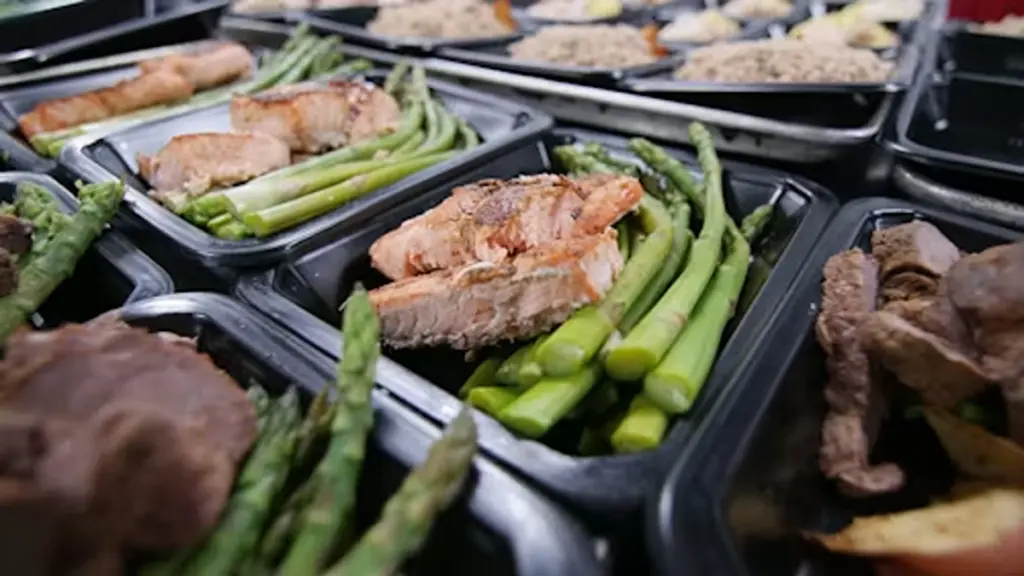
आधुनिक पैकेजिंग प्रौद्योगिकियाँ तैयार भोजन निर्माताओं को उत्पाद की गुणवत्ता नियंत्रित करने में मदद करती हैं, ताजगी बढ़ाएं, और उत्पादन लाइनों से लेकर अंतिम वितरण तक विश्वसनीय प्रदर्शन बनाए रखें.
संशोधित वातावरण पैकेजिंग (मानचित्र) ताजगी नियंत्रण के लिए
संशोधित वातावरण पैकेजिंग (मानचित्र) पैकेज के अंदर हवा को नियंत्रित गैस मिश्रण से प्रतिस्थापित करके शेल्फ जीवन में सुधार करता है. केवल परिरक्षकों पर निर्भर रहने के बजाय, एमएपी एक ऐसा वातावरण बनाने में मदद करता है जो गुणवत्ता में गिरावट को धीमा करता है और भंडारण के दौरान ताजगी का समर्थन करता है.
गैस की संरचना उत्पाद के प्रकार और भंडारण आवश्यकताओं पर निर्भर करती है:
- कार्बन डाईऑक्साइड (CO₂): माइक्रोबियल विकास को धीमा करने में मदद करता है और ताजगी संरक्षण का समर्थन करता है.
- नाइट्रोजन (एन₂): पैकेज के आकार को बनाए रखता है और ऑक्सीजन को प्रतिस्थापित करके ऑक्सीकरण को कम करता है.
- ऑक्सीजन (ओ₂): विशिष्ट अनुप्रयोगों में उपयोग किया जाता है जहां रंग प्रतिधारण महत्वपूर्ण है, जैसे कि कुछ मांस उत्पाद.
एमएपी तब सबसे अच्छा काम करता है जब निर्माता उपयुक्त गैस मिश्रण को उच्च-अवरोधक पैकेजिंग सामग्री और विश्वसनीय सीलिंग प्रदर्शन के साथ जोड़ते हैं. खाद्य विशेषताओं जैसे कारक, भंडारण तापमान, और पैकेज संरचना सभी अंतिम शेल्फ जीवन परिणामों को प्रभावित करते हैं.
ठंडे तैयार भोजन के लिए, समुद्री भोजन, और तैयार भोजन, एक अच्छी तरह से डिज़ाइन की गई एमएपी प्रणाली उत्पाद की बर्बादी को कम करते हुए वितरण लचीलेपन को बेहतर बनाने में मदद करती है.
ऑक्सीजन की कमी के लिए वैक्यूम पैकेजिंग
वैक्यूम पैकेजिंग सील करने से पहले पैकेज से हवा निकाल देता है, ऑक्सीजन के संपर्क को कम करना और ऑक्सीकरण प्रक्रियाओं को धीमा करना. यह तकनीक उन खाद्य पदार्थों के लिए विशेष रूप से उपयोगी है जहां ताजगी होती है, उपस्थिति, और भंडारण स्थिरता सीधे उत्पाद मूल्य को प्रभावित करती है.
निर्माता आमतौर पर वैक्यूम पैकेजिंग का उपयोग करते हैं:
- मांस और समुद्री भोजन उत्पाद: प्रशीतित भंडारण के दौरान उपस्थिति बनाए रखने और ऑक्सीकरण को कम करने में मदद करता है.
- भोजन तैयार किया: लंबी ताज़गी अवधि का समर्थन करता है और परिवहन स्थिरता में सुधार करता है.
मानक पैकेजिंग विधियों की तुलना में, वैक्यूम समाधान मजबूत ऑक्सीजन नियंत्रण प्रदान करते हैं. तथापि, प्रदर्शन फिल्म की ताकत जैसे कारकों पर निर्भर करता है, सील विश्वसनीयता, और उत्पाद विशेषताएँ.
निर्माताओं के लिए, वैक्यूम पैकेजिंग खराब होने के जोखिम को कम कर सकती है और संपूर्ण आपूर्ति श्रृंखला में उत्पाद की स्थिरता में सुधार कर सकती है.
रिसाव की रोकथाम के लिए उन्नत सीलिंग तकनीकें
किसी भी तैयार भोजन पैकेजिंग प्रणाली के प्रदर्शन को बनाए रखने के लिए एक विश्वसनीय सील आवश्यक है. यदि सीलिंग की ताकत उत्पाद की आवश्यकताओं से मेल नहीं खाती है तो उच्च गुणवत्ता वाली ट्रे और फिल्में भी विफल हो सकती हैं.
उन्नत सीलिंग प्रौद्योगिकियां निर्माताओं को रोकथाम में मदद करती हैं:
- रिसाव का खतरा: हैंडलिंग और परिवहन के दौरान उत्पाद के नुकसान को कम करता है.
- संदूषण मुद्दे: पैकेजिंग के बाद एक सुरक्षित अवरोध बनाता है.
- गुणवत्ता भिन्नताएँ: उत्पादन बैचों में लगातार पैकेज प्रदर्शन बनाए रखता है.
महत्वपूर्ण सीलिंग सुविधाओं में शामिल हैं:
- हीट सीलिंग प्रदर्शन: ट्रे और ढक्कन वाली फिल्मों के बीच स्थिर संबंध सुनिश्चित करता है.
- छीलने योग्य फ़िल्में: पैकेज की अखंडता बनाए रखते हुए उपभोक्ता सुविधा में सुधार करें.
- छेड़छाड़-स्पष्ट संरचनाएँ: अतिरिक्त उत्पाद सुरक्षा प्रदान करें.
- लगातार सील ताकत: स्वचालित पैकेजिंग लाइनों पर विश्वसनीय प्रदर्शन का समर्थन करता है.
उच्च मात्रा में खाद्य उत्पादन के लिए, स्थिर सीलिंग तकनीक अस्वीकृत पैकेजों को कम करके और उत्पादन रुकावटों को कम करके परिचालन दक्षता में भी सुधार होता है.
तैयार भोजन पैकेजिंग समाधान चुनते समय मुख्य चुनौतियाँ
तैयार भोजन पैकेजिंग निर्णयों में कई तकनीकी और परिचालन कारक शामिल होते हैं. निर्माताओं को ऐसे समाधान खोजने होंगे जो दक्षता का समर्थन करते हुए उत्पादों की सुरक्षा करें, वहनीयता, और दीर्घकालिक उत्पादन लक्ष्य.
खाद्य सुरक्षा को संतुलित करना, शेल्फ जीवन, और उत्पाद की गुणवत्ता
खाद्य निर्माताओं को सुरक्षा को संतुलित करना होगा, ताजगी, और तैयार भोजन पैकेजिंग विकसित करते समय उत्पाद का प्रदर्शन. एक क्षेत्र में सुधार करने से सामग्री लागत प्रभावित हो सकती है, वहनीयता, या उत्पादन आवश्यकताएँ.
प्रमुख विचारों में शामिल हैं:
| चुनौती | पैकेजिंग आवश्यकता |
|---|---|
| खाद्य सुरक्षा | उत्पाद सुरक्षा बनाए रखने के लिए विश्वसनीय सीलिंग और बाधा सुरक्षा |
| शेल्फ जीवन नियंत्रण | भंडारण के दौरान ताजगी बनाए रखने के लिए उपयुक्त सामग्री और प्रौद्योगिकियां |
| उत्पाद की गुणवत्ता | पैकेजिंग संरचनाएं जो उपस्थिति को बरकरार रखती हैं, बनावट, और स्थिरता |
क्लीनर-लेबल उत्पादों के लिए, प्रभावी पैकेजिंग समाधान निर्माताओं को परिरक्षकों पर निर्भरता कम करते हुए गुणवत्ता बनाए रखने में मदद करते हैं.
प्रदर्शन से समझौता किए बिना स्थिरता आवश्यकताओं को पूरा करना
तैयार भोजन पैकेजिंग विकास में स्थिरता एक महत्वपूर्ण कारक बन गई है. तथापि, पर्यावरण-अनुकूल सामग्रियों को अभी भी खाद्य संरक्षण की आवश्यकताओं को पूरा करना होगा, प्रसंस्करण दक्षता, और उत्पाद की विश्वसनीयता.
कुछ स्थायी विकल्प बाधा प्रदर्शन को प्रभावित कर सकते हैं, गर्मी प्रतिरोध, या उपकरण अनुकूलता. निर्माताओं को केवल भौतिक प्रभाव के बजाय समग्र प्रदर्शन के आधार पर पैकेजिंग समाधानों का मूल्यांकन करने की आवश्यकता है.
प्रमुख विचारों में शामिल हैं:
- सामग्री दक्षता: पैकेज के प्रदर्शन को बनाए रखते हुए संसाधन उपयोग को कम करना.
- पुनर्चक्रण क्षमता: आसान सामग्री पुनर्प्राप्ति और पर्यावरण अनुपालन का समर्थन करना.
- उत्पादन अनुकूलता: मौजूदा पैकेजिंग लाइनों पर स्थिर संचालन सुनिश्चित करना.
एक सफल टिकाऊ पैकेजिंग समाधान को खाद्य गुणवत्ता और विनिर्माण दक्षता बनाए रखते हुए पर्यावरणीय प्रभाव को कम करना चाहिए.
उत्पादन लाइनों के साथ पैकेजिंग संगतता सुनिश्चित करना
तैयार भोजन पैकेजिंग को भरने के साथ सुचारू रूप से एकीकृत होना चाहिए, मुद्रण, लेबलिंग, और निरीक्षण प्रक्रियाएँ. पैकेज डिज़ाइन या सामग्री की स्थिरता में छोटे अंतर भी उत्पादन स्थिरता को प्रभावित कर सकते हैं.
निर्माताओं को विचार करना चाहिए:
- पैकेज आयाम: मौजूदा उपकरणों और हैंडलिंग सिस्टम के साथ कंटेनरों का मिलान.
- सीलिंग प्रदर्शन: उच्च गति उत्पादन के दौरान लगातार सील गुणवत्ता बनाए रखना.
- स्वचालन अनुकूलता: न्यूनतम डाउनटाइम के साथ कुशल संचालन का समर्थन करना.
एक सुमेलित पैकेजिंग समाधान उत्पादन में रुकावटों को कम करने में मदद करता है, निरंतरता में सुधार करें, और दीर्घकालिक विनिर्माण दक्षता का समर्थन करते हैं.
अपने तैयार भोजन उत्पाद के लिए सर्वश्रेष्ठ पैकेजिंग समाधान कैसे चुनें
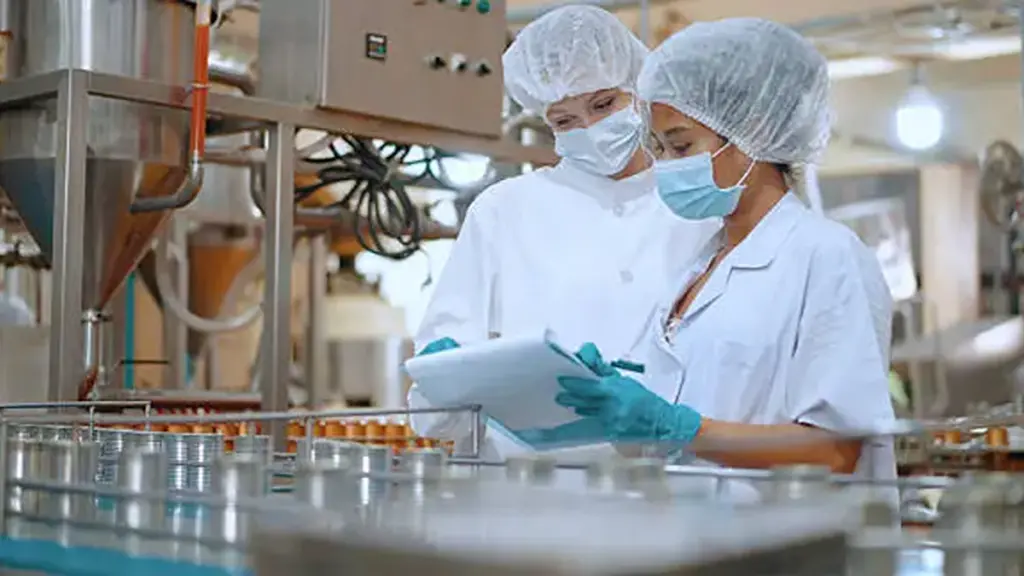
सही तैयार भोजन पैकेजिंग समाधान उत्पाद की आवश्यकताओं पर निर्भर करता है, आपूर्ति श्रृंखला की स्थिति, और उत्पादन लक्ष्य. एक संपूर्ण मूल्यांकन निर्माताओं को बेहतर प्रदर्शन और दीर्घकालिक दक्षता हासिल करने में मदद करता है.
उत्पाद की विशेषताओं और भंडारण की स्थिति का मूल्यांकन करें
प्रत्येक तैयार भोजन की सामग्री के आधार पर अलग-अलग पैकेजिंग आवश्यकताएँ होती हैं, शेल्फ जीवन लक्ष्य, और भंडारण की स्थिति. इन कारकों को समझने से निर्माताओं को उत्पादन और वितरण के दौरान प्रदर्शन संबंधी समस्याओं से बचने में मदद मिलती है.
प्रमुख कारकों में शामिल हैं:
| उत्पाद की आवश्यकता | उपयुक्त पैकेजिंग पर विचार |
|---|---|
| जमा हुआ भोजन | मजबूत तापमान प्रतिरोध वाली सामग्री, जैसे सीपीईटी ट्रे |
| ठंडा तैयार भोजन | बैरियर संरचनाएं और एमएपी-संगत पैकेजिंग समाधान |
| नमी के प्रति संवेदनशील खाद्य पदार्थ | उपयुक्त सीलिंग और नमी संरक्षण के साथ पैकेजिंग |
भोजन की संरचना जैसे कारक, भंडारण तापमान, और अपेक्षित शेल्फ जीवन सभी अंतिम पैकेजिंग डिज़ाइन को प्रभावित करते हैं.
हीटिंग आवश्यकताओं के साथ पैकेजिंग प्रदर्शन का मिलान करें
तापन विधियाँ सीधे सामग्री चयन और पैकेज संरचना को प्रभावित करती हैं. निर्माताओं को यह सुनिश्चित करने की आवश्यकता है कि पैकेजिंग अपेक्षित हीटिंग प्रक्रिया के दौरान सुरक्षा और स्थिरता बनाए रख सके.
महत्वपूर्ण विचार शामिल हैं:
- माइक्रोवेव हीटिंग: ऐसी सामग्रियों की आवश्यकता होती है जो आकार बनाए रखें और दोबारा गर्म करने के दौरान रिसाव को रोकें.
- ओवन में खाना पकाना: उच्च तापमान प्रतिरोध और मजबूत संरचनात्मक स्थिरता की आवश्यकता होती है.
- प्रत्यक्ष उपभोग: सुविधाजनक उद्घाटन सुविधाओं और विश्वसनीय पैकेज सुरक्षा की आवश्यकता है.
हीटिंग आवश्यकताओं के साथ पैकेजिंग प्रदर्शन का मिलान पैकेजिंग विफलता के जोखिम को कम करते हुए उपभोक्ता सुविधा में सुधार करने में मदद करता है.
अनुकूलित समाधानों के लिए पैकेजिंग पार्टनर के साथ काम करें
तैयार भोजन निर्माताओं को अक्सर ऐसे पैकेजिंग समाधानों की आवश्यकता होती है जो उनके उत्पादों से मेल खाते हों, उपकरण, और उत्पादन लक्ष्य. मानक कंटेनर हमेशा प्रदर्शन के बीच आवश्यक संतुलन प्रदान नहीं कर सकते हैं, क्षमता, और लागत.
एक उपयुक्त पैकेजिंग पार्टनर समर्थन कर सकता है:
- सामग्री चयन: खाद्य विशेषताओं और भंडारण स्थितियों के आधार पर उपयुक्त संरचनाओं की पहचान करना.
- पैकेजिंग डिज़ाइन: सुरक्षा और उपयोगकर्ता अनुभव को बेहतर बनाने वाले प्रारूप विकसित करना.
- उत्पादन एकीकरण: भरने के साथ अनुकूलता सुनिश्चित करना, मुद्रण, और स्वचालन प्रक्रियाएँ.
अंतिम विचार
भरोसेमंद तैयार भोजन पैकेजिंग भोजन की गुणवत्ता बनाए रखने में महत्वपूर्ण भूमिका निभाता है, शेल्फ जीवन का विस्तार, और कुशल खाद्य उत्पादन का समर्थन करना. सामग्री का सही संयोजन, सीलिंग प्रौद्योगिकियाँ, और पैकेजिंग प्रारूप निर्माताओं को बाजार की बदलती सुरक्षा मांगों को पूरा करते हुए उत्पादों की सुरक्षा करने में मदद करते हैं, सुविधा, और स्थिरता.
सीएचएलबी पैक अनुकूलित प्रदान करता है खाने के लिए तैयार भोजन के लिए पैकेजिंग समाधान, ट्रे पैकेजिंग सहित, सीलिंग सिस्टम, और विभिन्न खाद्य अनुप्रयोगों के लिए डिज़ाइन की गई उन्नत संरचनाएँ. सही पैकेजिंग पार्टनर के साथ, निर्माता उत्पादन प्रदर्शन में सुधार कर सकते हैं, पैकेजिंग जोखिमों को कम करें, और ऐसे समाधान विकसित करें जो दीर्घकालिक व्यापार वृद्धि का समर्थन करें. सीएचएलबी पैक से संपर्क करें अपने तैयार भोजन पैकेजिंग पर चर्चा करें आवश्यकताएं.
अक्सर पूछे जाने वाले प्रश्नों
तैयार भोजन के लिए कौन सी पैकेजिंग काम करती है?
तैयार भोजन पैकेजिंग में भोजन को संरक्षित रखना चाहिए, संदूषण को रोकें, और माइक्रोवेव या ओवन को दोबारा गर्म करने का काम संभालें. निर्माता पीईटी और पीपी जैसे प्लास्टिक पर बहुत अधिक भरोसा करते हैं क्योंकि वे उच्च ताप का प्रतिरोध करते हैं, जबकि क्रिस्टलीकृत पीईटी (सीपीईटी) 428°F तक के अत्यधिक तापमान को संभालता है. एल्युमीनियम ट्रे केवल ओवन अनुप्रयोगों के लिए अच्छी तरह से काम करती हैं. टिकाऊ विकल्पों के लिए, कागज-आधारित बोर्ड और बायोडिग्रेडेबल सामग्री ठीक से लेपित होने पर मजबूत नमी अवरोधक प्रदान करती हैं.
क्या माइक्रोवेव ट्रे सुरक्षित हैं??
जब निर्माता सही गर्मी प्रतिरोधी प्लास्टिक का उपयोग करते हैं तो माइक्रोवेव ट्रे सुरक्षित रहती हैं. पॉलीप्रोपाइलीन से बनी ट्रे (पीपी, राल कोड #5) या खनिज से भरे पीपी माइक्रोवेव ताप को बिना विकृत किए संभालते हैं. माइक्रोवेव-सुरक्षित प्रतीक के लिए हमेशा नीचे की जाँच करें. मानक पीईटी को गर्म न करें (#1), पीवीसी (#3), या पॉलीस्टाइनिन (#6), क्योंकि ये भोजन में हानिकारक रसायन छोड़ते हैं. अधिकतम सुरक्षा के लिए, गर्म करने का समय दो मिनट से कम रखें या भोजन को कांच के कंटेनर में डालें.
तैयार भोजन कितने समय तक चलता है?
शेल्फ जीवन पूरी तरह से पैकेजिंग तकनीक और भंडारण वातावरण पर निर्भर करता है. बुनियादी पकाने और ठंडा करने के तरीकों का उपयोग करके मानक प्रशीतित भोजन आमतौर पर चलता है 7 को 10 दिन. वैक्यूम सीलिंग के साथ संयुक्त माइक्रोवेव पाश्चुरीकरण जैसी उन्नत प्रणालियाँ ठंडी शेल्फ लाइफ को अधिक समय तक बढ़ाती हैं 45 दिन. कमरे के तापमान पर भंडारण के लिए, हाई-बैरियर रिटॉर्ट पाउच भोजन को अधिक समय तक ताज़ा रखते हैं 12 ऑक्सीजन और नमी को पूरी तरह से अवरुद्ध करके महीनों.
ब्रांड किन सामग्रियों का उपयोग करते हैं?
तैयार भोजन उद्योग पीईटी जैसे प्लास्टिक पर बहुत अधिक निर्भर करता है, पीपी, और एचडीपीई क्योंकि वे आसानी से ढल जाते हैं और प्रभावी ढंग से नमी और ऑक्सीजन को रोकते हैं. एल्यूमीनियम फ़ॉइल ट्रे सीधे ओवन हीटिंग के लिए एक उत्कृष्ट विकल्प प्रदान करती हैं. जैसे-जैसे स्थिरता नियम कड़े होते जा रहे हैं, ब्रांड तेजी से पर्यावरण-अनुकूल सामग्री चुन रहे हैं. इनमें जमे हुए खाद्य पदार्थों के लिए मोम-लेपित कार्डबोर्ड शामिल है, गन्ने की खोई, और पीएलए जैसे कंपोस्टेबल प्लांट-आधारित पॉलिमर.
कौन सी पैकेजिंग लीक को रोकती है?
वैक्यूम त्वचा पैकेजिंग (वी.एस.पी) भोजन के ऊपर एक तंग दूसरी त्वचा बनाकर शीर्ष स्तरीय रिसाव की रोकथाम प्रदान करता है, परिवहन के दौरान तरल पदार्थों को मजबूती से अपनी जगह पर लॉक करना. मल्टी-लेयर ढक्कन वाली फिल्मों से सील की गई कठोर प्लास्टिक या सीपीईटी ट्रे भी प्रभावी ढंग से फैलती हैं. सस्टेनेबल ब्रांड विशेष रूप से पारगमन कंपन को संभालने के लिए डिज़ाइन किए गए बांस फाइबर कंटेनरों या कसकर सीलबंद आरपीईटी ट्रे पर सुरक्षित-फिट ढक्कन का उपयोग करके रिसाव प्रतिरोध प्राप्त करते हैं।.