Molti produttori alimentari investono in apparecchiature avanzate, ma continuano a lottare con sistemi disconnessi, coordinamento dei fornitori, e costosi ritardi di installazione. Le soluzioni di confezionamento alimentare chiavi in mano risolvono queste sfide fornendo una linea di confezionamento completamente integrata invece di macchine separate, aiutare i produttori a ottenere una produzione più stabile e un migliore controllo del progetto.
La scelta del giusto approccio chiavi in mano può ridurre i tempi di implementazione, ridurre i rischi di integrazione, e migliorare il ritorno sull’investimento a lungo termine. Che tu stia costruendo una nuova linea di produzione o aggiornando una struttura esistente, capire come funzionano le soluzioni chiavi in mano ti aiuta a prendere decisioni più sicure ed economicamente vantaggiose.
Cosa sono le soluzioni di imballaggio alimentare chiavi in mano?
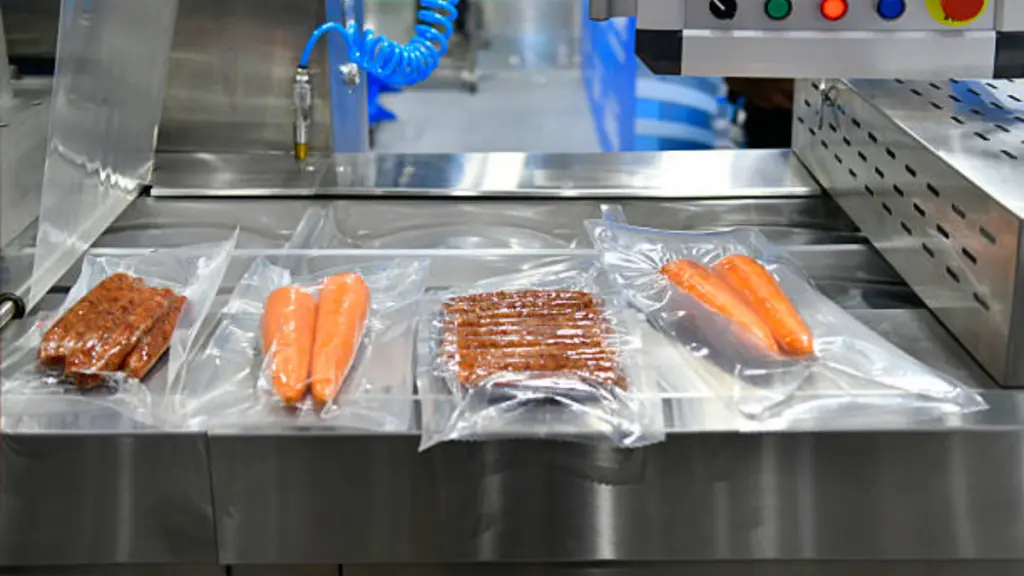
Ingegneria di coordinamento, installazione, e l'integrazione del sistema attraverso un unico fornitore aiuta a ridurre i rischi del progetto e a migliorare la preparazione della produzione.
Definizione di soluzioni di confezionamento alimentare chiavi in mano
UN soluzione di confezionamento alimentare chiavi in mano è un modello di consegna del progetto in cui un fornitore gestisce ogni fase della linea di confezionamento, dall'ingegneria e dalla produzione di apparecchiature all'installazione, messa in servizio, e supporto tecnico. Invece di acquistare singole macchine, i produttori ricevono un sistema di produzione completo pronto per l'uso dopo il collaudo finale.
In che modo i sistemi chiavi in mano differiscono dall'acquisto di apparecchiature tradizionali
L’acquisto di attrezzature tradizionali richiede ai produttori di coordinare più fornitori, mentre a soluzione di confezionamento alimentare chiavi in mano gestisce l'intero progetto attraverso un team di ingegneri. Ciò semplifica l'implementazione, riduce i rischi di integrazione, e accorcia il percorso dall'installazione alla produzione.
| Aspetto | Soluzione chiavi in mano | Acquisto tradizionale |
|---|---|---|
| Responsabilità del fornitore | Un fornitore integrato | Fornitori multipli |
| Progettazione del sistema | Completamente coordinato | Pianificazione frammentata |
| Installazione | Gestito come un unico progetto | Fasi di installazione separate |
| Rischio di integrazione | Inferiore | Più alto |
| Prontezza della produzione | Pronto per la produzione | Richiede ulteriore coordinamento |
Componenti principali di un sistema di confezionamento alimentare chiavi in mano
Un completo soluzione di confezionamento alimentare chiavi in mano integra ogni fase della produzione in un unico sistema coordinato.
I componenti tipici includono:
- Sistemi di alimentazione e movimentazione dei prodotti: Garantire un flusso di prodotto stabile e controllato.
- Sistemi di pesatura e dosaggio: Mantieni la precisione del riempimento e la consistenza delle porzioni.
- Formare, riempimento, e attrezzature per la sigillatura: Completare il processo di confezionamento primario.
- Sistemi di trasporto: Collega ogni fase della produzione con un flusso di materiale continuo.
- Sistemi di ispezione: Rilevare deviazioni di peso e difetti di imballaggio.
- Sistemi di incartonamento e pallettizzazione: Automatizza il confezionamento secondario e la movimentazione di fine linea.
Insieme, questi sistemi funzionano come un'unica linea di confezionamento integrata, migliorare la stabilità della produzione sostenendo al contempo la futura espansione della capacità.
Come funzionano le soluzioni di imballaggio alimentare chiavi in mano (Processo passo dopo passo)
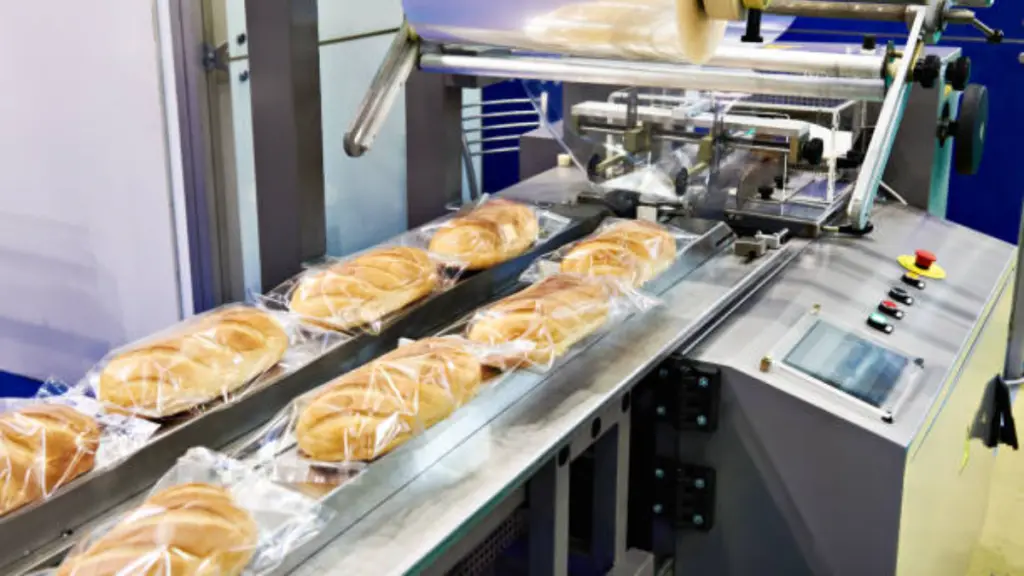
I progetti di imballaggio di successo si basano su un'attenta pianificazione e un'esecuzione coordinata. Un processo di implementazione strutturato aiuta a ridurre i rischi di installazione, migliorare l’integrazione del sistema, e mettere in funzione nuove linee di produzione in modo più efficiente.
Analisi dei fabbisogni e pianificazione della produzione
Ogni progetto chiavi in mano inizia con una valutazione dettagliata delle esigenze produttive. Piuttosto che selezionare prima l'attrezzatura, gli ingegneri definiscono gli obiettivi di produzione e identificano le condizioni tecniche che influenzeranno l'intera linea di confezionamento.
Le considerazioni chiave sulla pianificazione includono:
- Capacità produttiva: Definire obiettivi di produzione orari o giornalieri.
- Formato del prodotto e della confezione: Determinare i processi e le attrezzature di imballaggio adeguati.
- Requisiti di sicurezza alimentare: Rispettare gli standard igienici e le normative di produzione.
- Condizioni di fabbrica: Valuta lo spazio disponibile, utilità, e requisiti del flusso di lavoro.
Progettazione del sistema, pianificazione del layout, e configurazione delle apparecchiature
Dopo aver confermato i requisiti di produzione, gli ingegneri sviluppano un layout completo della linea di confezionamento che bilancia la capacità delle apparecchiature, flusso di materiale, e futuri requisiti di espansione. Ogni macchina viene selezionata come parte di un sistema integrato piuttosto che come una singola unità.
| Attività di ingegneria | Scopo |
|---|---|
| Pianificazione del layout delle linee | Ottimizza il flusso di lavoro e l'utilizzo dello spazio |
| Configurazione dell'attrezzatura | Abbina le macchine alle esigenze di produzione |
| Bilanciamento dei processi | Riduci i colli di bottiglia e migliora la produttività |
| Integrazione del sistema di controllo | Coordinare la comunicazione su tutta la linea |
Produzione, installazione, e processo di messa in servizio
Una volta finalizzata la progettazione ingegneristica, le apparecchiature entrano nella fase di produzione prima di essere consegnate per l'installazione. Durante l'implementazione in loco, gli ingegneri assemblano la linea di produzione, collegare le utenze, e verificare la comunicazione tra tutti i sistemi.
La messa in servizio è la fase finale prima dell’avvio della produzione. Gli ingegneri testano le prestazioni della macchina, regolare i parametri operativi, e confermare che l'intero soluzione di confezionamento alimentare chiavi in mano soddisfa i requisiti di produzione nelle condizioni operative effettive.
La formazione degli operatori viene generalmente completata durante questa fase in modo che la linea possa passare alla produzione stabile immediatamente dopo l'accettazione del progetto.
Puoi saperne di più sul sistema di produzione CHLB in questa pagina: Industria 4.0
Costruisci le tue soluzioni di imballaggio alimentare chiavi in mano con CHLB
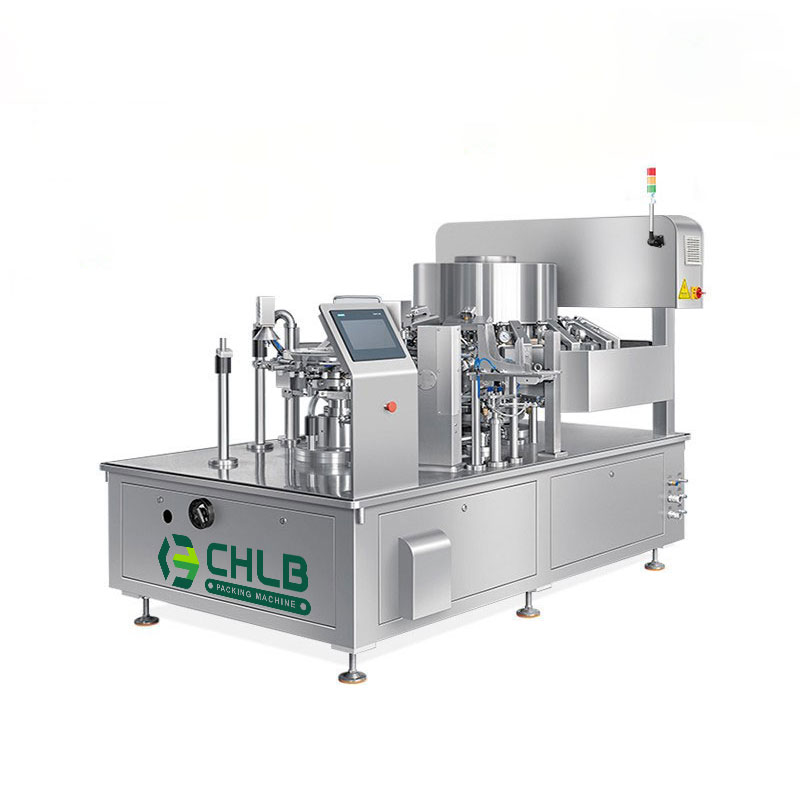
Principali vantaggi delle soluzioni di imballaggio alimentare chiavi in mano
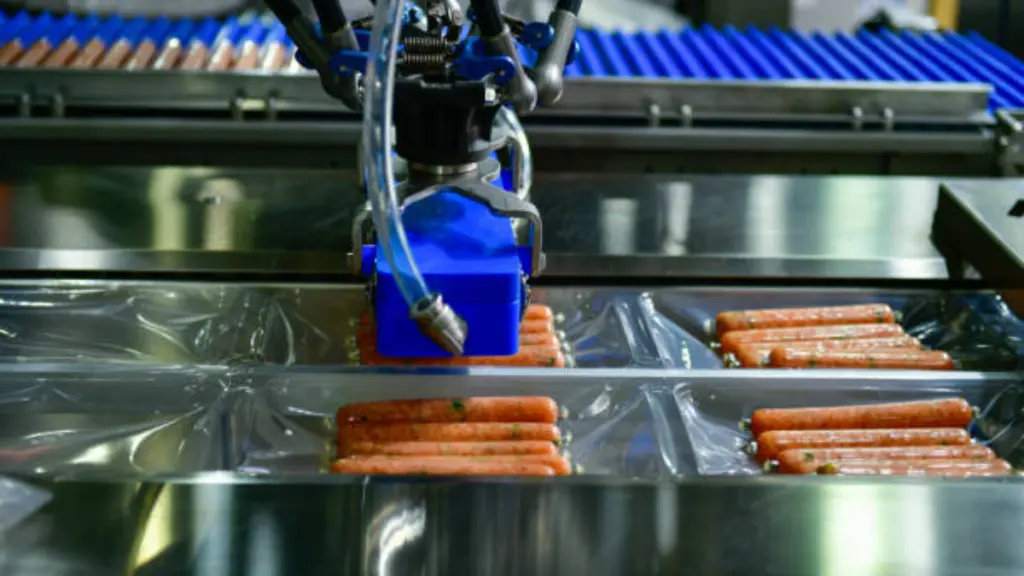
Oltre alla fornitura di attrezzature, UN soluzione di confezionamento alimentare chiavi in mano aiuta i produttori a migliorare l'esecuzione dei progetti, stabilità produttiva, ed efficienza operativa a lungo termine attraverso un approccio ingegneristico coordinato.
Gestione semplificata del progetto con un unico fornitore
La gestione di diversi fornitori di apparecchiature crea spesso lacune nella comunicazione, orari incoerenti, e responsabilità del progetto poco chiare. Un approccio chiavi in mano elimina queste sfide assegnando a un fornitore il compito di coordinare l'intera linea di confezionamento, dalla progettazione alla messa in servizio.
Invece di dedicare tempo alla gestione di più appaltatori, i produttori possono concentrarsi sulla pianificazione della produzione mentre un team di progetto supervisiona le decisioni tecniche, avanzamento dell'installazione, e consegna del sistema.
I principali vantaggi di gestione includono:
- Comunicazione semplificata: Lavora con un team di ingegneri durante tutto il progetto.
- Responsabilità chiara del progetto: Un fornitore gestisce la progettazione, installazione, e messa in servizio.
- Migliore controllo della pianificazione: La pianificazione coordinata riduce i ritardi tra le fasi del progetto.
- Standard tecnici coerenti: Tutte le apparecchiature seguono le stesse specifiche tecniche.
Migliore integrazione del sistema e stabilità della produzione
Una linea di confezionamento offre prestazioni migliori quando ogni macchina opera come parte di un sistema coordinato anziché come attrezzatura individuale. Perché i progetti chiavi in mano seguono una progettazione ingegneristica unificata, capacità produttiva, flusso di materiale, e la logica di controllo vengono pianificati insieme prima dell'inizio dell'installazione.
Questo approccio integrato non migliora solo la compatibilità delle apparecchiature. Aiuta a mantenere un flusso di prodotto stabile, riduce i colli di bottiglia tra le fasi di produzione, e consente agli operatori di gestire l'intera linea in modo più efficiente. Poiché la domanda di produzione cambia, il sistema risponde in modo più coerente perché tutte le macchine operano secondo la stessa strategia di controllo.
Implementazione più rapida e rischio di progetto ridotto
I ritardi nei progetti spesso si verificano quando le apparecchiature arrivano in tempi diversi o i fornitori seguono programmi di installazione separati. Una soluzione chiavi in mano riduce questi rischi coordinando l'ingegneria, produzione, logistica, e messa in servizio nell'ambito di un unico piano di implementazione.
| Vantaggio del progetto | Valore aziendale |
|---|---|
| Programma di progetto coordinato | Tempi di implementazione più brevi |
| Integrazione di sistema pre-pianificata | Minori rischi di installazione |
| Collaudo in fabbrica prima della consegna | Messa in servizio in loco più rapida |
| Responsabilità del singolo progetto | Ridotto sforzo di coordinazione |
Come le soluzioni di imballaggio chiavi in mano migliorano l'efficienza e il ROI
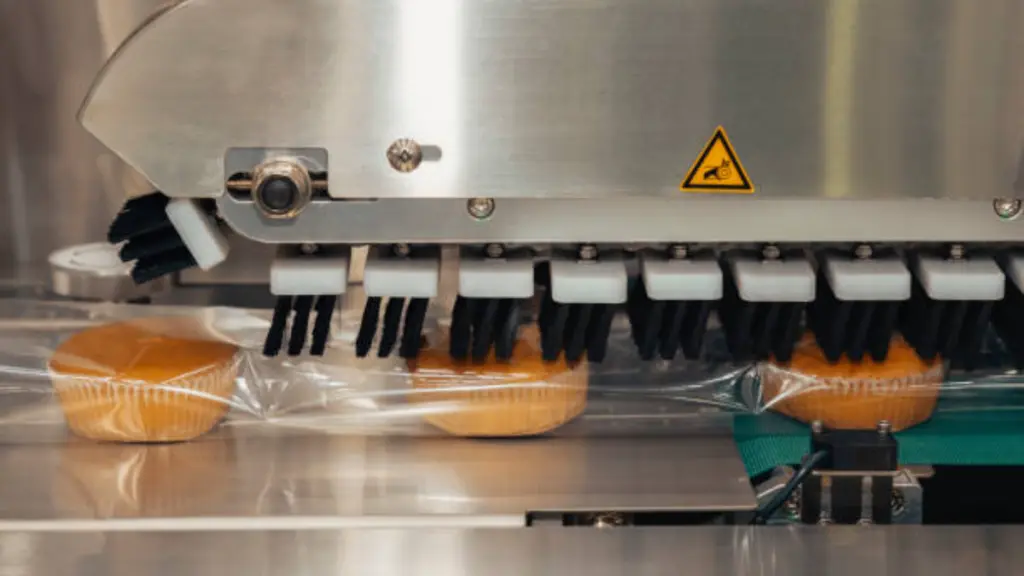
Un progetto di packaging di successo crea valore anche molto tempo dopo l'installazione. Maggiore efficienza, minori costi operativi, e una più facile espansione futura contribuiscono tutti a un maggiore ritorno sugli investimenti a lungo termine.
Minori costi di installazione e coordinamento
UN soluzione di confezionamento alimentare chiavi in mano aiuta a controllare queste spese gestendo l'intero progetto nell'ambito di un unico piano tecnico.
- Meno compiti di coordinamento: Un fornitore gestisce la comunicazione tecnica.
- Ritardi di installazione ridotti: L'attrezzatura segue un programma di consegna unificato.
- Meno rilavorazioni tecniche: La compatibilità del sistema viene confermata prima dell'installazione.
- Migliore controllo del budget: Meno costi imprevisti durante l'esecuzione del progetto.
Riducendo le spese indirette del progetto, i produttori possono ottenere un costo di implementazione totale inferiore invece di concentrarsi solo sul prezzo delle apparecchiature.
Miglioramento dell’efficienza produttiva e riduzione della dipendenza dal lavoro
Una linea di confezionamento integrata consente a ogni processo di operare con tempistiche costanti, riducendo la movimentazione non necessaria dei materiali e gli interventi manuali durante tutta la produzione. Gli operatori dedicano meno tempo al coordinamento delle singole macchine e più tempo al monitoraggio delle prestazioni complessive del sistema.
Man mano che l’utilizzo delle attrezzature migliora e la domanda di manodopera diminuisce, i produttori possono produrre di più con le stesse risorse. Col tempo, minori costi operativi, uscita stabile, e una maggiore produttività contribuiscono a ridurre il costo unitario e a garantire un maggiore ritorno sull'investimento.
Scalabilità a lungo termine e vantaggi in termini di costi del ciclo di vita
I requisiti di produzione raramente rimangono gli stessi. Man mano che i produttori introducono nuovi prodotti o aumentano la capacità, un ben progettato soluzione di confezionamento alimentare chiavi in mano semplifica l'espansione considerando futuri aggiornamenti durante la fase di progettazione iniziale. Questo approccio aumenta il valore delle apparecchiature contribuendo a ridurre il costo delle modifiche future.
| Caratteristica del progetto | Valore a lungo termine |
|---|---|
| Disposizione delle apparecchiature modulari | Semplifica l'espansione futura |
| Interfacce standardizzate | Supporta aggiornamenti più rapidi delle apparecchiature |
| Architettura di controllo integrata | Riduce i futuri costi di integrazione |
| Progettazione di sistemi scalabili | Estende il ciclo di vita delle apparecchiature e migliora il ROI |
La pianificazione dell’espansione futura durante la fase iniziale del progetto aiuta i produttori a evitare costose riprogettazioni e a ottenere un costo totale di proprietà inferiore durante tutto il ciclo di vita della linea di confezionamento.
Quando dovresti scegliere una soluzione di imballaggio alimentare chiavi in mano?
UN soluzione di confezionamento alimentare chiavi in mano offre il massimo valore quando i progetti richiedono il coordinamento completo del sistema anziché l'acquisto di singole apparecchiature.
- Realizzazione di un nuovo stabilimento produttivo: Piano, installare, e commissione tutta la linea di confezionamento sotto un unico team di ingegneri.
- Espansione della capacità produttiva: Aggiungi nuove apparecchiature o processi di imballaggio mantenendo un'integrazione fluida con le operazioni esistenti.
- Migliorare l'automazione della fabbrica: Migliora l'efficienza produttiva attraverso la progettazione coordinata del sistema anziché aggiornamenti isolati delle macchine.
- Gestione di più fornitori di apparecchiature: Semplificare la comunicazione, ridurre i rischi di integrazione, e migliorare il controllo generale del progetto.
Se il tuo progetto corrisponde a una o più di queste situazioni, una soluzione chiavi in mano può ridurre la complessità dell'implementazione migliorando al tempo stesso le prestazioni operative a lungo termine.
Considerazioni finali
Soluzioni di confezionamento alimentare chiavi in mano aiutare i produttori a semplificare progetti complessi, migliorare l’efficienza produttiva, e ottenere un ROI più forte a lungo termine attraverso la progettazione del sistema completamente integrato. Scegliere la soluzione giusta fin dall'inizio riduce i rischi di implementazione creando al tempo stesso un'operazione di confezionamento più stabile e scalabile.
Se stai pianificando una nuova linea di produzione o aggiornando una struttura esistente, CHLB offerte complete soluzioni di confezionamento alimentare chiavi in mano, dall'ingegneria e dalla produzione di apparecchiature all'installazione, messa in servizio, e supporto tecnico a lungo termine. Contatta il nostro team per discutere una soluzione su misura per i tuoi obiettivi di produzione.
Domande frequenti sulle soluzioni di imballaggio chiavi in mano
È possibile personalizzare una soluzione di confezionamento alimentare chiavi in mano per diversi prodotti alimentari?
SÌ. I sistemi chiavi in mano possono essere personalizzati per diverse tipologie di prodotto, formati di confezionamento, capacità produttive, e requisiti igienici. Selezione dell'attrezzatura, disposizione delle linee, e i sistemi di controllo sono progettati in base ai vostri obiettivi di produzione.
Quali industrie possono trarre vantaggio dalle soluzioni di imballaggio alimentare chiavi in mano?
Le soluzioni chiavi in mano sono ampiamente utilizzate per gli snack, cibi surgelati, carne, frutti di mare, prodotti da forno, piatti pronti, prodotti freschi, e molte altre applicazioni di produzione alimentare che richiedono sistemi di imballaggio integrati.
Quanto tempo richiede solitamente un progetto di imballaggio alimentare chiavi in mano??
La tempistica dipende dalla capacità produttiva, complessità delle apparecchiature, e condizioni di fabbrica. La maggior parte dei progetti include l'ingegneria, produzione, installazione, messa in servizio, e la formazione degli operatori prima dell'inizio della produzione.
Quale supporto è incluso dopo l'installazione di una linea di confezionamento alimentare chiavi in mano?
La maggior parte dei fornitori chiavi in mano fornisce la messa in servizio, formazione degli operatori, supporto tecnico, pezzi di ricambio, e servizi di manutenzione per mantenere la linea di confezionamento operativa in modo efficiente durante tutto il suo ciclo di vita.
Cosa dovrei cercare in un fornitore di soluzioni di imballaggio alimentare chiavi in mano?
Scegli un fornitore con competenze ingegneristiche, produzione interna, capacità di gestione del progetto, e un supporto post-vendita affidabile. Un fornitore che gestisce l'intero progetto può garantire una migliore integrazione del sistema e stabilità della produzione a lungo termine.