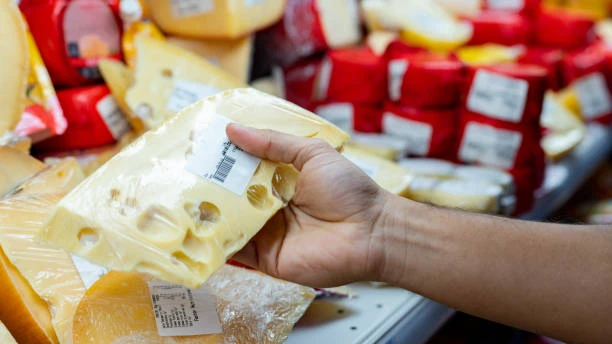
Food manufacturers face rising labor costs, limited production capacity, and packaging systems that cannot support future growth. A well-designed automated food packaging systems helps businesses improve efficiency, remove operational bottlenecks, and build a scalable production process while reducing investment risks.
This guide helps manufacturers identify the right automation level, packaging technology, and system requirements based on product characteristics, production goals, and long-term business needs. It provides practical insights to avoid costly mistakes and develop an automation strategy that delivers measurable operational value.
Assess Your Food Packaging Requirements
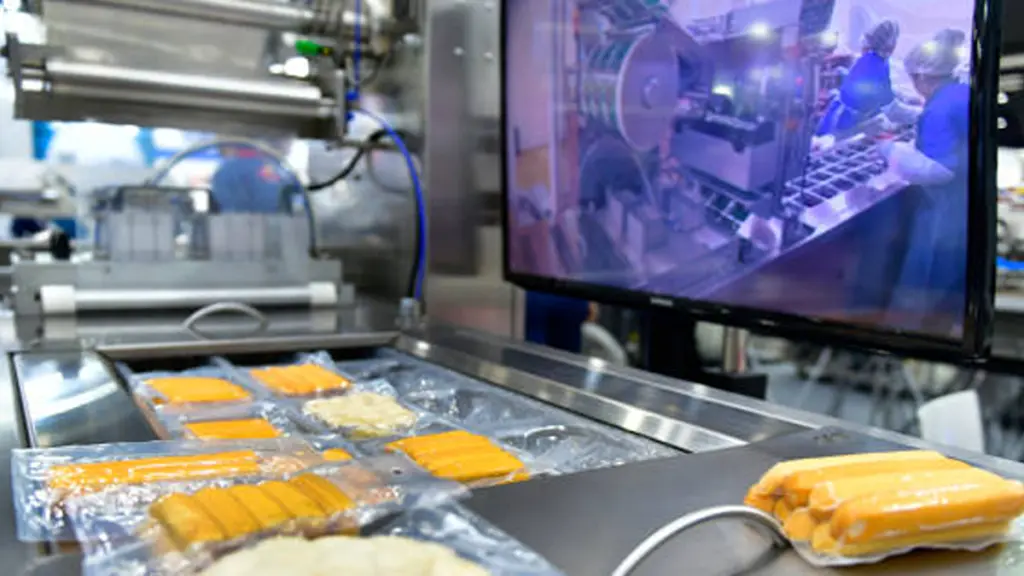
A clear understanding of your product, packaging format, and production goals helps define the right automation solution. Proper requirement analysis reduces design risks and prevents costly changes after installation.
Analyze Product Characteristics and Protection Needs
Product characteristics determine how an automated system handles filling, sealing, and product protection. Different foods require different packaging technologies based on their physical properties and shelf-life requirements.
Manufacturers should evaluate:
- Product structure: Solid, liquid, powder, and fragile products require different filling and handling methods.
- Shelf-life needs: Sensitivity to oxygen, moisture, and light affects material selection and sealing requirements.
- Product protection: Foods vulnerable to compression or impact need packaging systems that maintain quality during transportation.
For example, high-fat products may require stronger oxygen barriers, while liquid foods need precise filling and leak-resistant sealing. Understanding these factors helps prevent equipment mismatches and improves long-term reliability.
Determine Packaging Format and Usability Features
The package design directly affects machine configuration, tooling requirements, and production flexibility. A suitable automation system should support current packaging needs while allowing future product changes.
Important considerations include:
- Package formats: Different sizes, shapes, and portion options require flexible tooling and changeover capabilities.
- Consumer features: Zippers, easy-open designs, and pouring spouts may influence filling and sealing processes.
- Logistics requirements: Package shape and stacking performance affect storage efficiency and transportation costs.
Defining these requirements early allows manufacturers to select equipment that supports both production efficiency and market expectations.
Define Production and Quality Requirements
Automation decisions should align with production goals, quality standards, and future growth plans. Clear performance targets help suppliers design a system with the right capacity and control features.
Key factors include:
- Production capacity: Define required output based on current demand and future expansion.
- SKU flexibility: Multiple products and packaging formats affect automation level and changeover design.
- Quality control: Inspection systems such as checkweighers, metal detectors, and vision systems improve consistency and reduce waste.
A complete requirement profile gives automation providers the information needed to develop a reliable packaging solution that improves efficiency without creating new bottlenecks.
Select the Right Packaging Technology
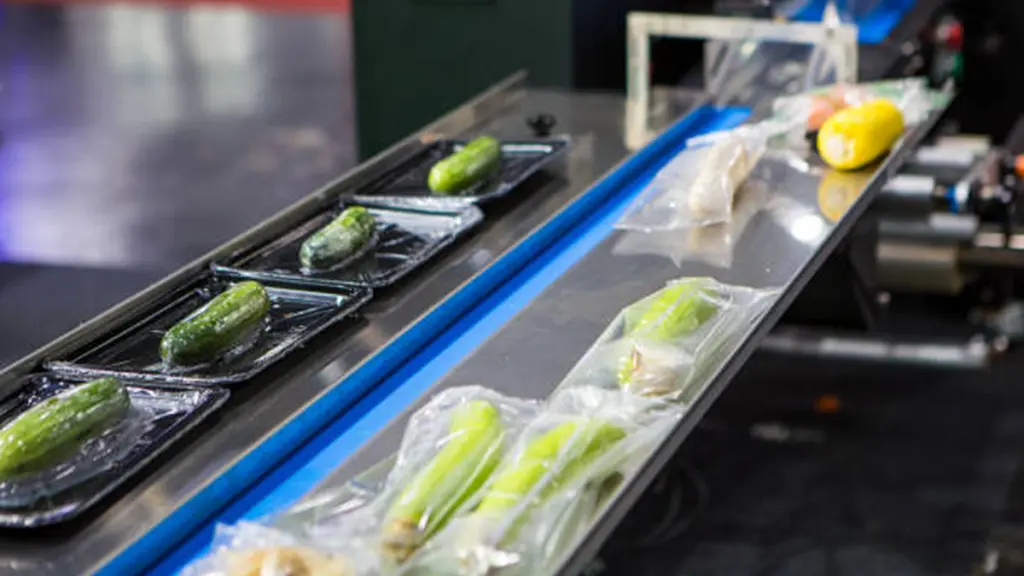
The right packaging technology depends on product characteristics, packaging goals, and production requirements. Matching machine capabilities with real manufacturing needs helps avoid inefficient systems and unnecessary investment.
Match Technology to Your Food Product Type
Different food categories require different packaging technologies. The wrong equipment choice can lead to inaccurate filling, damaged products, poor sealing performance, and reduced production efficiency.
Common technology applications include:
- Free-flowing solids: Snacks, grains, nuts, and similar products often use Vertical Form Fill Seal (VFFS) systems with multihead weighers for high-speed and accurate portioning.
- Powders: Products such as flour, spices, and powdered ingredients typically require auger fillers to control dosing accuracy and reduce material waste.
- Liquids and pastes: Sauces, dairy products, and similar foods need piston or pump filling systems designed for precise filling and clean operation.
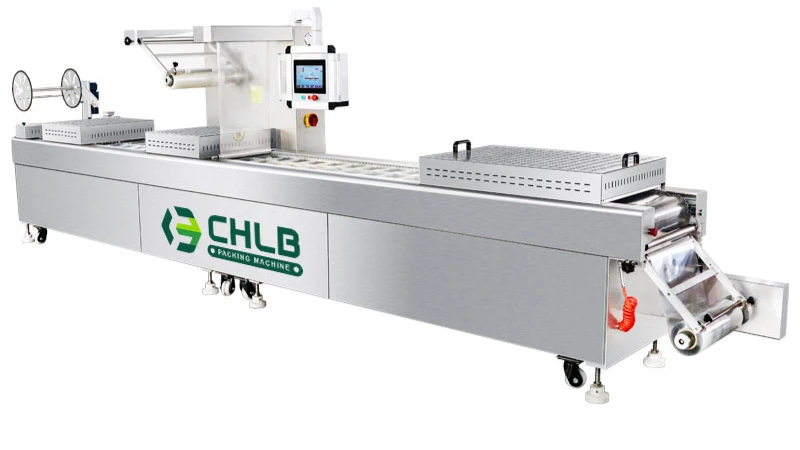
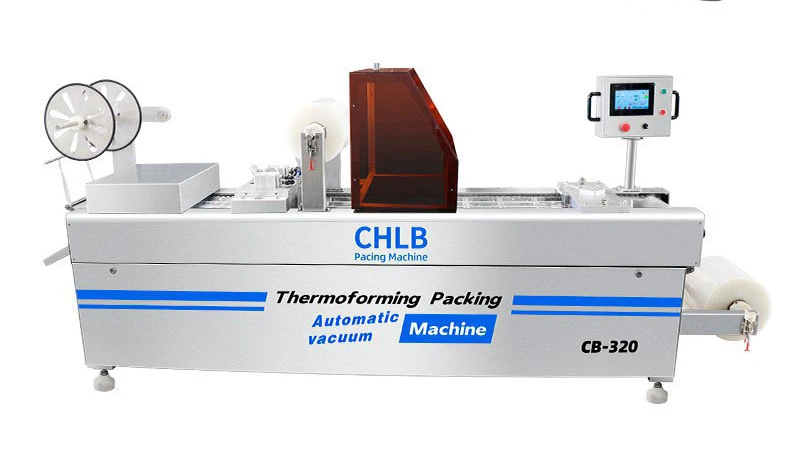
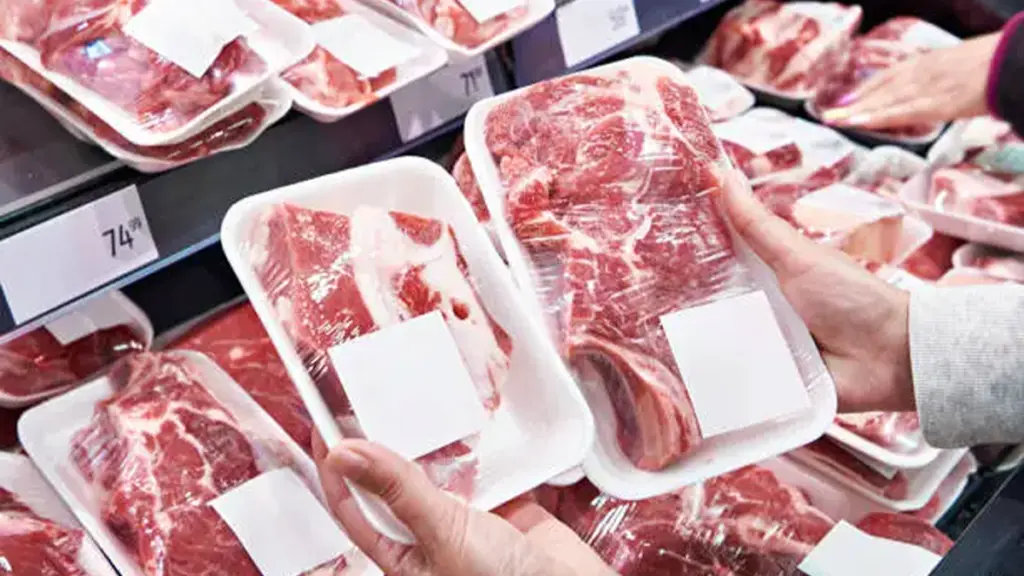
- Fresh foods: Meat, seafood, cheese, and ready meals often rely on tray sealing, thermoforming, vacuum packaging, or Modified Atmosphere Packaging (MAP) technologies to extend shelf life and protect product quality.
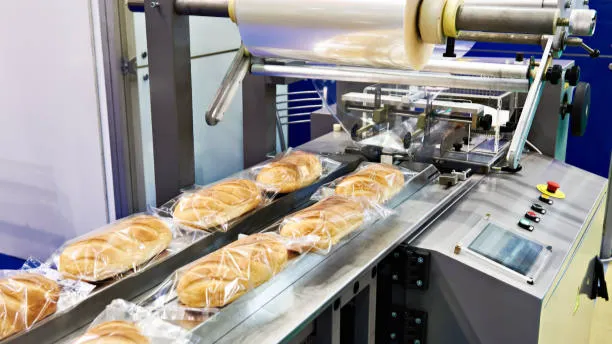
- Fragile products: Biscuits, chocolate, and bakery items require gentle handling solutions such as horizontal flow wrapping to prevent damage during packaging.
You can learn more about Vacuum Packaging vs MAP Packaging in our dedicated article.
Determine the Appropriate Automation Level
Automation should match production volume, labor conditions, and future growth plans. A fully automated line is not always the best starting point, especially when manufacturers are gradually increasing capacity.
The appropriate level of automation usually depends on:
- Production volume: Lower-volume operations may benefit from semi-automatic systems, while high-volume production often requires fully integrated lines.
- Labor requirements: Automating repetitive tasks such as filling, sealing, case packing, and palletizing can reduce labor dependency and improve consistency.
- Product variation: Facilities producing multiple SKUs need flexible systems with efficient changeover capabilities.
A phased automation approach helps manufacturers improve efficiency while controlling investment risks. Starting with high-impact processes allows companies to expand automation as production needs grow.
Evaluate System Flexibility and Long-Term Value
Packaging equipment should support future production changes rather than only solving current challenges. A system with limited flexibility may create additional costs when product lines expand or packaging requirements change.
Key evaluation factors include:
- Scalability: Modular equipment designs allow future upgrades, higher speeds, or additional packaging formats.
- Total cost of ownership: Equipment decisions should consider maintenance, energy use, spare parts, and operational efficiency instead of only initial investment.
- Production data capability: Modern systems with performance monitoring help identify downtime causes and improve Overall Equipment Effectiveness (OEE).
Engineer Higher Efficiency with Custom Packaging Lines

Evaluate Production Capacity and Automation Level
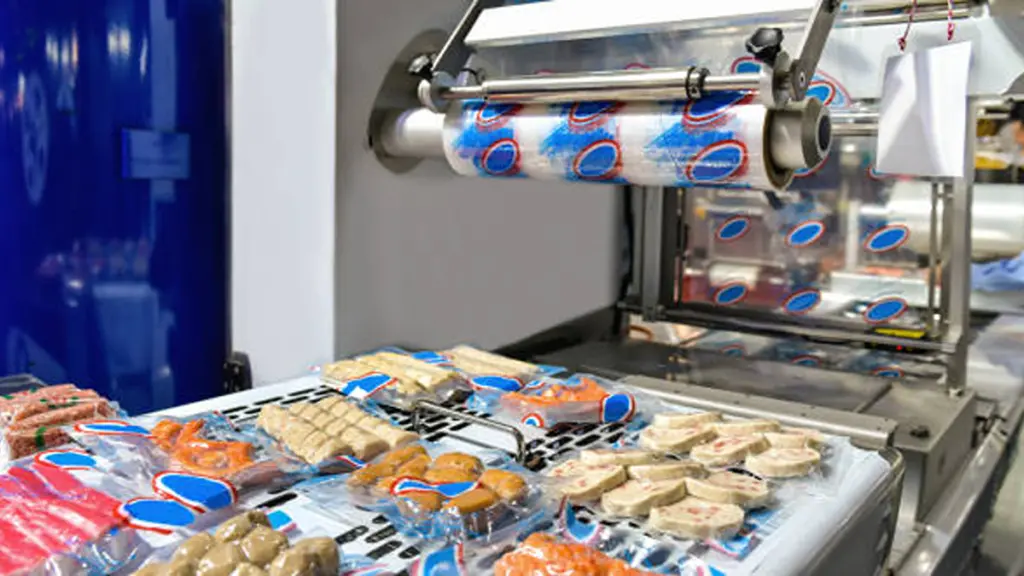
Automation decisions should be based on measurable production data, including output targets, labor efficiency, and existing bottlenecks. A clear capacity analysis helps manufacturers invest at the right time and scale.
Establish Key Capacity and Cost Metrics
Before upgrading a packaging line, manufacturers need a clear understanding of current performance. Measuring key operational data helps identify whether automation will create real efficiency gains.
Important metrics include:
- Production output: Track current capacity by units per minute, hour, and year. Annual volume provides a basic reference for evaluating automation requirements.
- Labor efficiency: Measure labor hours and cost per packaged unit to understand how much manual work affects operating expenses.
- Quality performance: Monitor reject rates caused by sealing issues, incorrect weights, or labeling errors, as these directly reduce production efficiency.
- Overall Equipment Effectiveness (OEE): Evaluate availability, performance, and quality to understand the real productivity of existing equipment.
Identify the Right Automation Level Based on Production Needs
The appropriate automation level depends on production volume, product variation, labor availability, and future growth expectations. Higher automation is not always better; it should match the actual needs of the operation.
A general evaluation framework includes:
- Manual or light automation: Suitable for lower production volumes, frequent product changes, or operations that need flexibility before larger investments.
- Semi-automatic systems: A practical option for growing businesses that need to reduce labor requirements while maintaining production flexibility.
- Fully automatic lines: Best suited for high-volume production with stable product formats, where consistent output and labor reduction are key priorities.
Beyond production volume, manufacturers should also consider labor dependency, production hours, and quality consistency when evaluating automation needs.
Analyze Production Bottlenecks Across the Entire Line
Increasing the speed of one machine does not always improve overall production. A packaging line works as a connected system, and the real limitation often comes from the slowest process.
Manufacturers should evaluate:
- Bottleneck locations: Identify the step that limits total output, then prioritize automation improvements in that area.
- Upstream and downstream balance: Ensure packaging speed matches processing, storage, and shipping capabilities to avoid creating new constraints.
- Real production capacity: Consider actual operating conditions rather than equipment specifications alone, as downtime, changeovers, and maintenance affect final output.
Develop a Practical Automation Roadmap
Automation projects usually deliver better results when implemented in phases. A structured roadmap allows manufacturers to control investment risks while improving production performance step by step.
A typical approach includes:
- Phase 1: Improve core packaging processes: Automate high-impact operations such as filling, weighing, sealing, or inspection to solve immediate bottlenecks.
- Phase 2: Strengthen quality and efficiency control: Add inspection systems and production monitoring to improve consistency and reduce waste.
- Phase 3: Expand line automation: Introduce secondary packaging, case packing, or palletizing when primary production becomes stable.
A phased strategy allows companies to expand automation based on actual production needs while controlling investment risks.
Consider Food Safety and Compliance
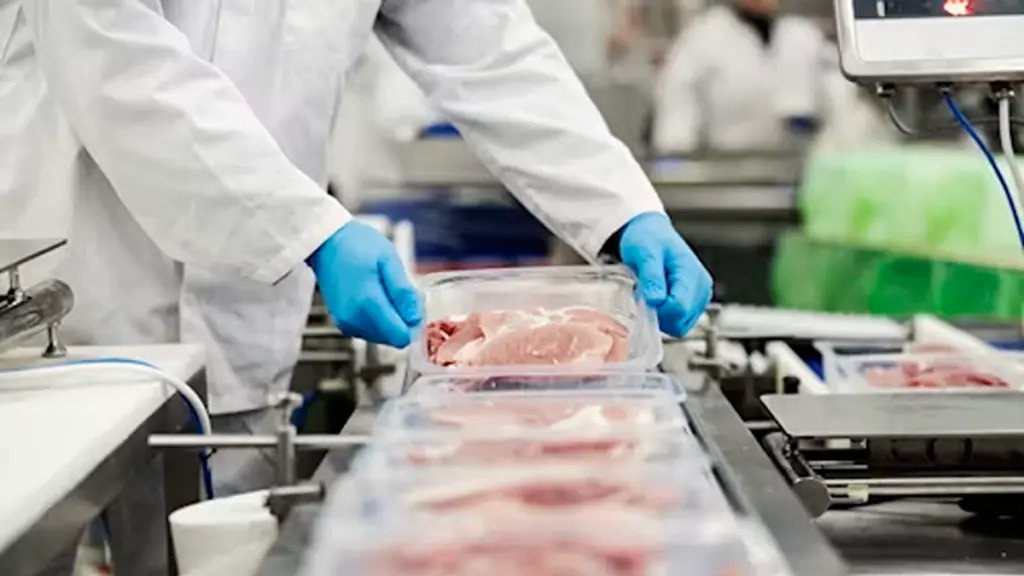
Food packaging automation must support food safety requirements throughout production. Integrating compliance into equipment design helps manufacturers reduce contamination risks, simplify audits, and maintain consistent product quality.
Align Equipment Design With Food Safety Standards
Food safety requirements should be considered before equipment selection, as they directly affect machine structure, materials, and cleaning procedures. A compliant system reduces the risk of costly modifications after installation.
Key considerations include:
- Food-contact compliance: Equipment and packaging materials should meet regulations such as FDA requirements in the US or relevant EU food-contact standards.
- Hygienic design: Machines should use food-grade materials, easy-to-clean surfaces, and designs that prevent product residue buildup.
- Industry certifications: Standards such as BRCGS, IFS, or FSSC 22000 may be required when supplying major retailers or international markets.
For wet or high-risk food applications, equipment design should also consider washdown requirements, drainage, and access for routine sanitation.
Build Risk Control Into the Automated Process
Automation changes how food safety risks are managed. A well-designed system reduces manual handling, improves process consistency, and creates better control over critical production steps.
Manufacturers should evaluate:
- Hazard control: Apply HACCP-based risk assessment methods to identify potential issues related to packaging, sealing, filling, and handling.
- Cross-contamination prevention: Design production layouts that separate raw materials, ready-to-eat products, and allergen-sensitive areas.
- Process validation: Verify that the automated line performs consistently through testing, commissioning, and performance evaluation.
For a deeper explanation of Packaging Solutions for Ready-to-Eat Meals, we have covered it in a separate article.
Use Automation to Improve Quality Control
Modern packaging automation provides more than higher output. Integrated inspection and monitoring systems help manufacturers detect problems earlier and maintain stable production quality.
Common automation-based safety controls include:
- Inspection systems: Checkweighers, metal detectors, X-ray systems, and vision inspection help identify weight errors, foreign materials, and packaging defects.
- Label verification: Machine vision systems can confirm product information, date codes, and allergen labels before products leave the line.
- Digital monitoring: Sensors and production data systems record key parameters such as temperature, pressure, and sealing conditions for better traceability.
These technologies reduce manual inspection and improve quality visibility.
Maintain Effective Sanitation and Operator Training
Equipment performance depends not only on machine design but also on daily operation and maintenance. Proper sanitation procedures and employee training are essential for keeping automated packaging lines compliant.
Important practices include:
- Cleaning procedures: Develop clear SOPs for cleaning conveyors, filling systems, sealing areas, and other food-contact components.
- Equipment maintenance: Use suitable components for high-hygiene environments, including washdown areas where required.
- Operator training: Train production, quality, and maintenance teams on equipment operation, sanitation requirements, and food safety procedures.
Work With an Automation Solution Provider
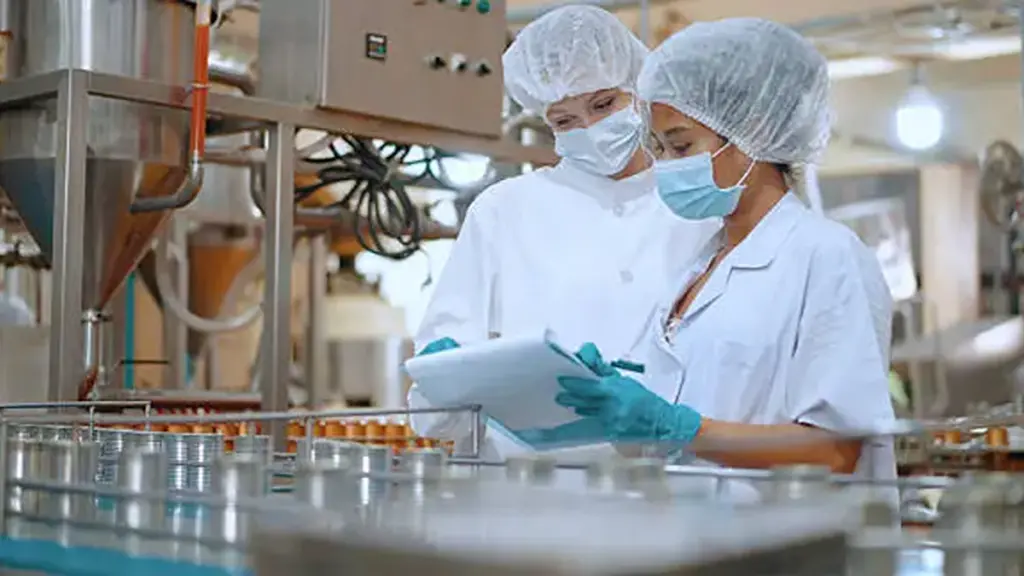
A reliable automation partner helps manufacturers reduce implementation risks and build a packaging system that matches their products, production goals, and future growth plans.
Prepare Requirements Before Project Design
A reliable automation partner helps manufacturers reduce implementation risks and build a complete packaging system that matches their products, production goals, and future growth plans. Experienced providers can deliver turnkey packaging solutions that integrate equipment, automation controls, and production processes into one efficient system.
| Project Stage | Key Actions | Purpose |
|---|---|---|
| Requirement Preparation | Define products, packaging formats, materials, output targets, and production challenges. | Provide accurate information for system design. |
| Design and Implementation | Review equipment design and complete FAT/SAT testing before full production. | Verify system performance and production compatibility. |
| Optimization and Expansion | Monitor OEE, improve processes, and plan future upgrades. | Maintain efficiency and support business growth. |
Long-term cooperation with an automation provider allows manufacturers to optimize system performance, respond to changing production needs, and maximize the value of their investment.
Final Thoughts
A well-planned automated food packaging systems should support long-term production goals, not just solve current capacity issues. By evaluating product requirements, automation levels, compliance needs, and system scalability, manufacturers can reduce operational risks and build a reliable packaging process.
CHLB helps food manufacturers develop customized turnkey packaging solutions based on their production needs, facility conditions, and growth plans. Contact CHLB’s automation specialists to analyze your requirements and create a practical implementation roadmap that improves efficiency, quality, and long-term return on investment.
Frequently Asked Questions
What information should I prepare before contacting a food packaging automation supplier?
To get an accurate proposal, prepare detailed information covering: product specifications (dimensions, weight, fragility), packaging details (materials, types, formats), production volumes and target throughput, facility layout and utility constraints, hygiene and food safety compliance requirements, current operational bottlenecks, budget and ROI expectations, and your specific needs for flexibility and changeovers.
How do I know if my factory needs partial or full automation?
Choose partial automation if you have specific bottlenecks, moderate throughput, high product variability, or a limited budget. It allows you to target high-impact areas like case packing or palletizing. Opt for a fully automated line for high, consistent production volumes, standardized products, strict hygiene requirements, and when aiming to significantly reduce long-term labor costs.
What is the typical lead time for a food packaging automation solution?
Lead times vary by complexity. A standard, mostly off-the-shelf system typically takes 3–6 months from order to stable production. A custom-engineered or highly integrated line can take 6–12 months or more. This includes design, fabrication, installation, commissioning, and operator training.
How can I evaluate a packaging automation supplier’s engineering capability?
Assess their engineering strength by reviewing their food-industry-specific case studies, evaluating their ability to integrate a full line (not just sell one machine), requesting proof-of-concept trials with your products, and inspecting the quality of their technical documentation. A capable supplier has in-house mechanical, electrical, and controls expertise and understands food safety and hygienic design.
What support should I expect from a provider after installation?
Post-installation support is crucial and should include comprehensive operator and maintenance training, commissioning and ramp-up assistance to reach target OEE, and access to technical service for remote and on-site troubleshooting. You should also expect a robust spare parts program, options for preventive maintenance contracts, and lifecycle support for future upgrades or modifications.