An efficient food packaging line is essential for manufacturers looking to increase throughput, reduce operating costs, and support future production growth. However, many factories struggle with inefficient layouts, disconnected production stages, and poor workflow planning that limit line performance and make expansion more difficult.
This guide explains how to design a food packaging line that operates as one integrated system. You’ll learn how to optimize layout, production flow, system coordination, and automation planning to improve efficiency, reduce long-term operating costs, and build a scalable packaging line that adapts to changing manufacturing demands.
Why Efficient Food Packaging Line Design Matters
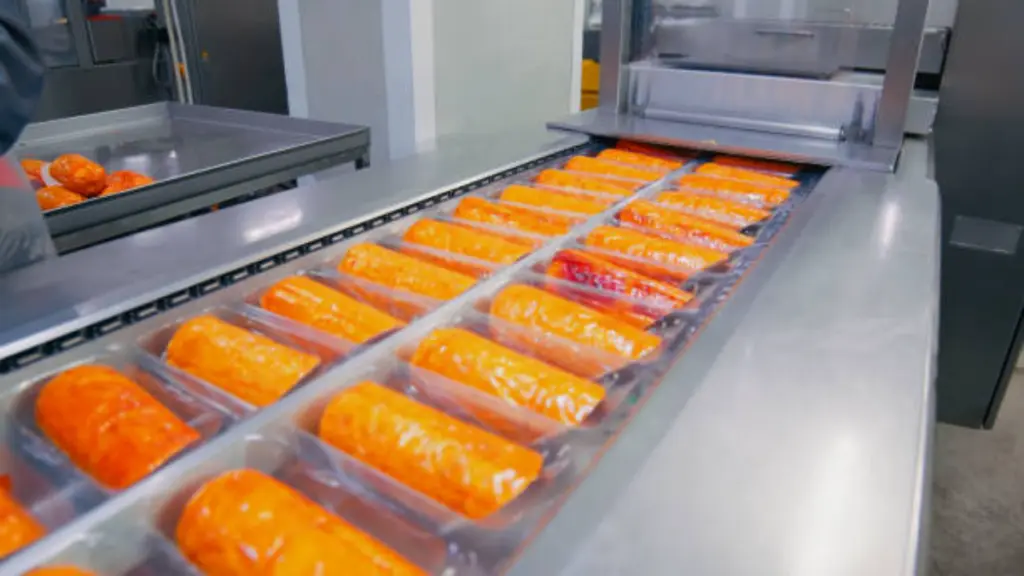
A well-structured food packaging line determines how smoothly production stages connect, how stable output remains, and how efficiently factories control cost, labor, and long-term scalability.
Common inefficiencies in poorly designed packaging lines
Most production problems come from weak food packaging line design, not from equipment quality. When stages are not properly coordinated, even good machines fail to deliver stable output.
Speed mismatch between processes often disrupts continuous flow, leading to unstable production and higher operator workload.
Typical inefficiencies include:
- Unbalanced process speed: Uneven stage capacity creates bottlenecks
- Interrupted material flow: Products stop between processes instead of moving continuously
- Excessive manual handling: More human transfer increases labor pressure and errors
- Weak system coordination: Upstream and downstream stages operate independently
- Limited service access: Poor spacing increases maintenance difficulty
These issues gradually reduce Overall Equipment Effectiveness (OEE) and weaken long-term line stability.
How line layout affects productivity and operating costs
The layout of a food packaging line determines how smoothly products move through each production stage. Efficient layout planning reduces unnecessary movement and supports stable, continuous operation across the entire system.
Poor layout design increases handling distance and creates inefficiencies in daily production. These issues gradually affect both productivity and long-term operating cost.
| Design Factor | Optimized Line | Poor Layout |
|---|---|---|
| Product flow | Continuous and stable | Fragmented and uneven |
| Labor usage | Efficient and balanced | High and inconsistent |
| System coordination | Synchronized | Disconnected |
| Maintenance access | Easy | Restricted |
| Cost performance | Predictable | Increasing over time |
In most factories, layout decisions influence long-term efficiency more than individual equipment performance.
How layout design influences labor efficiency and output stability
Layout design determines how operators interact with the food packaging line and directly affects production efficiency. A well-planned layout reduces unnecessary movement, improves coordination across stages, and allows operators to manage multiple processes while maintaining stable system performance.
Key improvements include:
- Reduced manual handling: Less product transfer between stages
- Higher equipment utilization: Machines operate closer to designed capacity
- Better operator coverage: One operator manages multiple processes
- Lower indirect labor cost: Reduced coordination workload
- More stable output: Fewer disruptions in production flow
Modern packaging line performance depends less on machine speed and more on how well the system is structured and balanced.
Key Factors That Influence Food Packaging Line Design
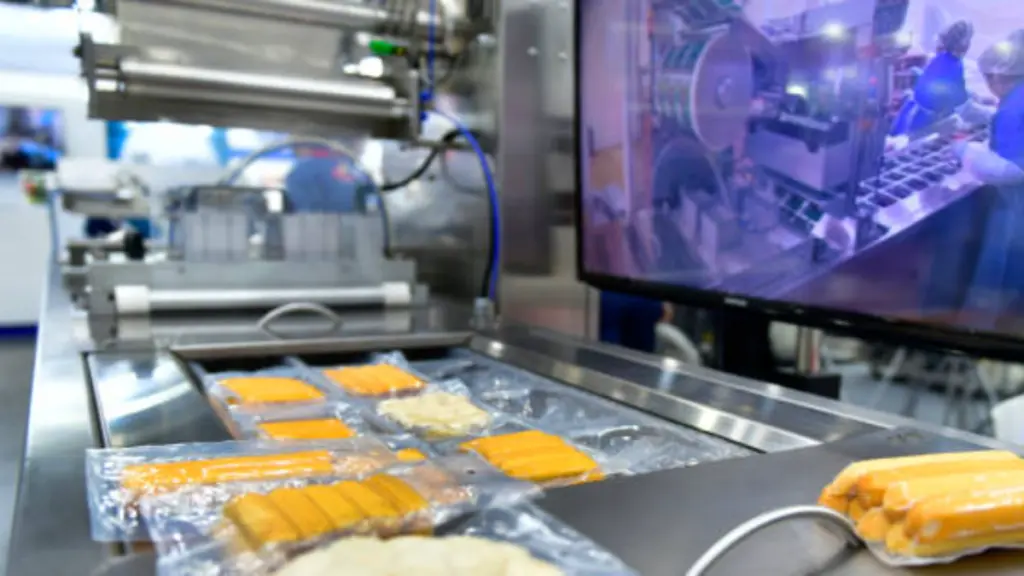
A food packaging line design depends on multiple interconnected factors that define system performance, including product characteristics, factory conditions, and automation level across the entire production flow.
Product type, packaging format, and production capacity
Product characteristics set the foundation for food packaging line design, as different food types require different handling methods and process speeds.
- Fragility level: Determines handling precision and conveyor control
- Packaging format: Affects forming, filling, and sealing system selection
- Production speed requirement: Defines machine speed and line balancing strategy
Fragile products need controlled movement, while high-volume products require stable high-speed operation.
Factory layout, space constraints, and workflow direction
Factory conditions directly shape how a food packaging line is arranged and connected. Space availability, building structure, and utility positioning all influence equipment layout decisions.
A well-planned layout supports smooth workflow direction from raw material input to final packaging output. This reduces unnecessary movement and helps maintain continuous production flow.
When space is limited, compact design becomes necessary. However, efficiency should still guide the layout strategy by optimizing equipment positioning and ensuring stable material flow across all stages.
Automation level and integration requirements
Automation improves production consistency and reduces manual workload, but real efficiency only appears when all machines operate under a coordinated system. Without proper integration, timing gaps between processes can still disrupt production flow.
- Control level: Defines how production is divided between manual operation and system control
- System integration: Ensures synchronized operation across all machines in the line
- Production stability: Reduces fluctuations in speed and output quality
A fully integrated food packaging line uses centralized control to connect upstream feeding, core packaging, and downstream handling processes, keeping production flow continuous and stable.
Design a Smarter Food Packaging Line with CHLB
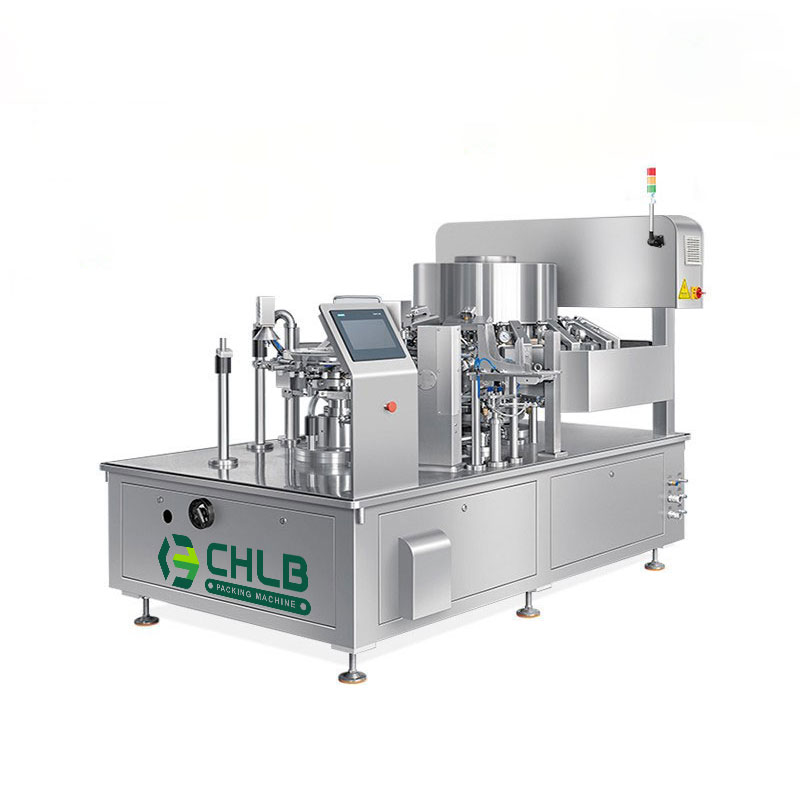
How to Design an Efficient Food Packaging Line Layout
Efficient food packaging line layout focuses on production flow, capacity alignment, and system balance to ensure stable output and smooth material movement across all stages.
Production requirements and capacity-driven design approach
Layout design starts with production demand. A food packaging line must match expected output volume, product type, and packaging speed before equipment selection begins.
Different capacity levels require different system logic. Small-scale lines focus on flexibility, while high-volume production prioritizes continuous flow and stable throughput.
Key considerations include:
- Output target: Defines overall line speed and system scale
- Product variation: Influences machine flexibility and changeover design
- Growth planning: Allows future capacity expansion without full redesign
A capacity-driven approach ensures the line performs consistently under real production conditions.
Material flow optimization from upstream to downstream
Material flow determines how smoothly products move across the food packaging line. A well-designed flow reduces waiting time, avoids congestion, and keeps production continuous.
Efficient flow design focuses on:
- Continuous movement: Avoid stopping between processes
- Short transfer distance: Reduce handling time and energy loss
- Balanced stage speed: Prevent accumulation between machines
Space utilization and equipment positioning strategy
Factory space directly affects how a food packaging line can be arranged. Good layout planning uses available space efficiently while maintaining clear production pathways.
Equipment positioning should support both operation and maintenance access. Machines must not only fit the space but also allow operators to work safely and efficiently.
Key principles include:
- Logical zoning: Separate feeding, packaging, and output areas
- Maintenance access space: Ensure easy servicing without stopping the line
- Compact but clear layout: Reduce wasted space while keeping flow visible
Bottleneck prevention and line balancing principles
Bottlenecks are one of the main causes of inefficiency in a food packaging line. They often appear when one process runs faster or slower than others, breaking system balance.
Line balancing ensures all stages operate at compatible speeds and maintain stable flow across the entire system.
Important principles include:
- Process synchronization: Align upstream and downstream speeds
- Capacity matching: Avoid overloading individual machines
- Buffer control: Use controlled accumulation zones when needed
You can learn more about The Ultimate Guide to Back Seal Packaging Line Solution in our dedicated article.
Typical Structure of a Food Packaging Line System
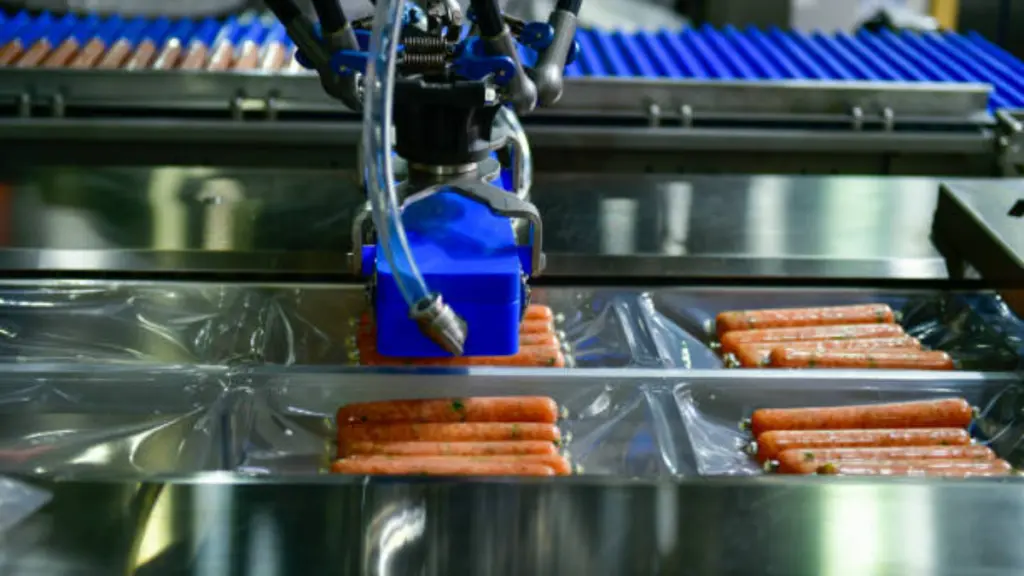
A food packaging line is typically built as a connected system with three main sections. Each section performs a different function, but all parts work together to ensure continuous and stable production flow.
Upstream systems for feeding and material preparation
The upstream section prepares and delivers materials into the food packaging line. It ensures products enter the system in a stable and controlled condition, which supports consistent downstream processing.
This stage often includes feeding, weighing, portioning, or initial product handling depending on the food type and production requirements.
Key functions include:
- Material feeding: Delivers raw or semi-processed products into the line
- Pre-processing control: Ensures product consistency before packaging
- Flow stabilization: Maintains steady input for downstream systems
Core packaging systems for forming, filling and sealing
The core packaging section is the central part of the food packaging line. It directly determines packaging quality, speed, and consistency.
This stage handles the main transformation process where products are formed into final packaging, filled, and sealed according to required specifications.
Typical functions include:
- Forming process: Shapes packaging material into required structure
- Filling process: Measures and loads product into packaging
- Sealing process: Ensures product protection and shelf stability
Downstream systems for inspection and end-of-line automation
The downstream section handles quality control and final packaging preparation before storage or shipment. It ensures only qualified products move forward in the supply chain.
This stage improves production reliability by detecting defects and organizing finished products efficiently.
Key functions include:
- Inspection systems: Detect weight, seal quality, and packaging defects
- Cartoning and grouping: Organize products into secondary packaging
- Palletizing systems: Prepare goods for storage and logistics
How Food Packaging Line Systems Operate and Synchronize
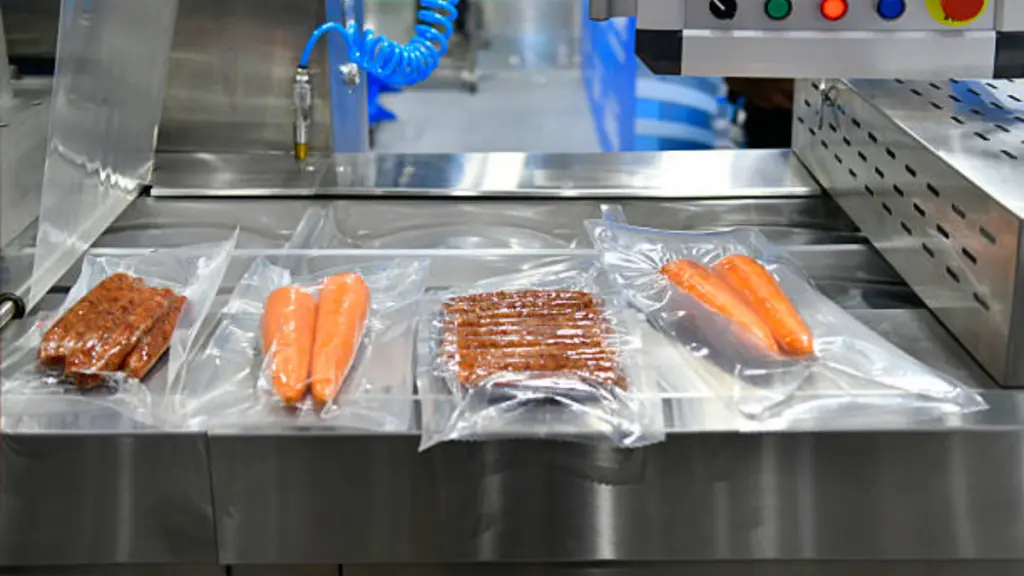
Smooth production depends on more than equipment performance. A food packaging line achieves higher efficiency when every process communicates and operates as one coordinated system.
PLC control and centralized system coordination
A PLC acts as the central controller of the packaging line. It coordinates machine signals, operating speed, and production timing through one control platform, allowing the entire line to respond consistently instead of relying on separate machine controls.
This centralized approach also makes production easier to monitor and adjust, helping operators maintain efficient operation as production conditions change.
Machine synchronization and continuous production flow
Synchronization keeps every production stage operating at a compatible pace. Instead of maximizing the speed of individual machines, manufacturers balance production capacity across the entire line to maintain continuous product flow.
When upstream and downstream processes remain aligned, the packaging line reduces bottlenecks, minimizes product accumulation, and achieves more consistent throughput.
Automation integration for stability and reduced manual intervention
Automation integration allows different machines and control systems to work together automatically rather than relying on frequent manual adjustments.
Its main advantages include:
- Lower manual intervention: Reduce routine operator adjustments during production.
- More consistent performance: Maintain stable output across changing production conditions.
- Greater scalability: Simplify future line expansion and equipment upgrades.
How to Optimize Efficiency and ROI in Packaging Line Design
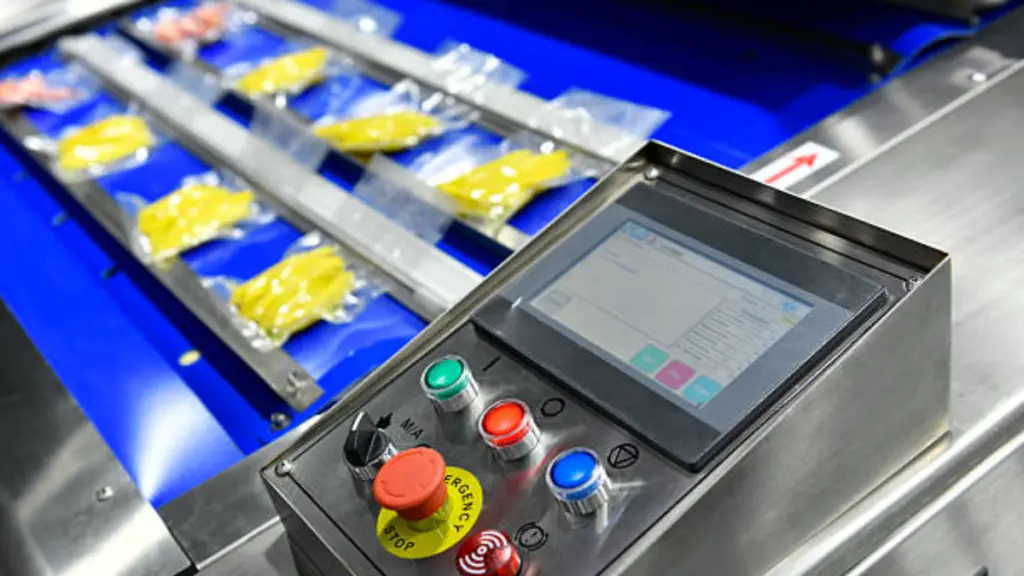
A well-designed food packaging line creates value beyond daily production. Higher efficiency, lower operating costs, and greater flexibility work together to improve long-term return on investment.
Reducing downtime and improving line balancing
Production downtime often results from bottlenecks rather than equipment failure. When every stage of the packaging line operates at a balanced capacity, products move more smoothly through the system, improving equipment utilization and reducing unnecessary interruptions.
| Optimization Focus | Operational Benefit |
|---|---|
| Balanced production capacity | Reduce bottlenecks and waiting time |
| Continuous material flow | Improve equipment utilization |
| Coordinated production rhythm | Maintain stable production output |
Lowering labor dependency and operational cost
Rising labor costs make operational efficiency more important than ever. An optimized food packaging line reduces unnecessary manual work while improving overall resource utilization.
Key cost-saving improvements include:
- Reduced manual handling: Minimize product transfer between production stages.
- Higher labor efficiency: Allow operators to supervise multiple processes simultaneously.
- Lower operating costs: Reduce labor input while maintaining consistent production quality.
Improving scalability for future production expansion
Production demand changes over time as manufacturers introduce new products, packaging formats, or higher output targets. A scalable food packaging line makes these transitions easier because future expansion is considered during the initial design phase.
By reserving installation space, using standardized interfaces, and adopting flexible control architecture, manufacturers can integrate additional equipment with minimal disruption. This approach protects the original investment while reducing the cost and complexity of future upgrades.
Frequently Asked Questions
How long does it take to design and install a food packaging line?
The timeline depends on production capacity, packaging format, and project complexity. Most food packaging line projects include requirement analysis, layout design, equipment manufacturing, installation, commissioning, and operator training. Working with one supplier can shorten the overall schedule through better project coordination.
Can an existing food packaging line be upgraded instead of replaced?
Yes. Many manufacturers improve efficiency by upgrading selected sections instead of replacing the entire line. Common upgrades include automated feeding, inspection systems, cartoning, palletizing, or centralized control, depending on the condition of the existing production line.
How do I choose the right automation level for my factory?
The right automation level depends on production volume, product variety, labor costs, investment budget, and future expansion plans. The best solution is not always full automation, but one that supports your production goals while allowing room for future upgrades.
Can one food packaging line handle multiple product types?
Yes. A flexible food packaging line can accommodate different product sizes and packaging formats through modular equipment, adjustable conveying systems, and programmable controls. This improves production flexibility while reducing future modification costs.
Final Thoughts
Designing an efficient food packaging line requires more than selecting advanced equipment. Success comes from building a coordinated system that matches your products, production goals, factory layout, and future expansion plans. A well-designed line improves productivity, reduces operating costs, and creates a stronger foundation for long-term manufacturing performance.
At CHLB, we provide turnkey food packaging line services, covering layout planning, equipment integration, manufacturing, installation, and commissioning. Whether you are building a new production line or upgrading an existing facility, we help you develop reliable, scalable packaging solutions that support long-term business growth.