Vacuum packaging removes most of the air from a pack before sealing, helping reduce oxidation, moisture loss and freezer burn in suitable foods. It works well for meat, frutti di mare, formaggio, nuts and many dry snacks, but not every product is a good fit. Soft bread can be crushed, while fresh leafy vegetables and hot foods may require special handling or alternative packaging methods.
This guide covers the foods best suited to vacuum packaging, explains which products require extra care, and helps food manufacturers and packaging buyers identify the right vacuum packaging machine based on product characteristics, storage requirements and production needs.
Why Vacuum Packaging Extends Freshness
Air drives food deterioration in three ways. Oxygen causes fat oxidation, which produces rancid flavours in meat, nuts and coffee, and it supports the growth of aerobic bacteria and moulds. Moisture in the surrounding air makes dry foods stale or sticky and encourages microbial growth. In the freezer, air causes freezer burn, the dry discoloured patches that form when moisture sublimates from the food surface.
Removing that air slows all three processes. Vacuum packs are also compact, easier to stack, and they contain strong odours during storage and transport. Vacuum packaging is not sterilisation, Tuttavia, and it does not replace chilled or frozen storage, hygienic production, or validated shelf-life testing.
14 Foods That Benefit Most From Vacuum Packaging
The foods below are the ones most commonly vacuum packed in commercial food production. For each one, the same three questions matter: what does vacuum packaging protect the food from, what packaging consideration changes the machine choice, and which CHLB machine type fits the product.
| Food Type | Why Vacuum Pack It | CHLB Machine Options |
|---|---|---|
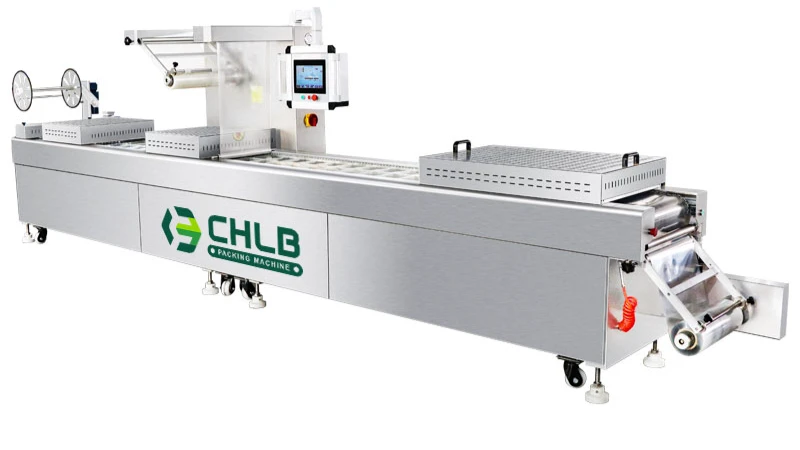
| Fresh meat and poultry | Slow aerobic spoilage and oxidation; prevent freezer burn on frozen cuts | Thermoforming vacuum machines; premade pouch vacuum machines |
| Seafood and fish | Contain odours, control purge, slow spoilage in chilled or frozen storage | Premade pouch vacuum machines; thermoforming vacuum machines |
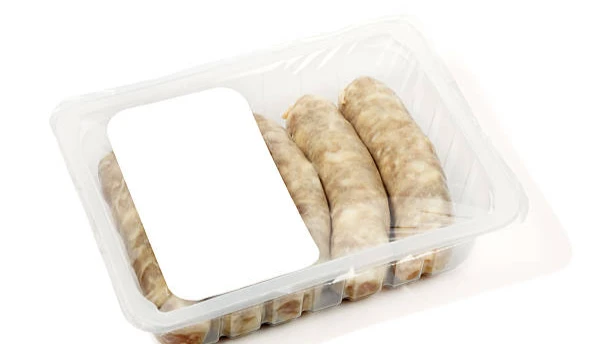
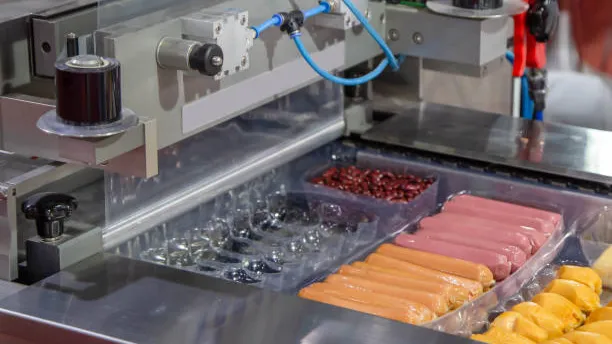
| Sausages and processed meats | Limit oxidation and colour fade; control moisture loss | Thermoforming vacuum machines; premade pouch vacuum machines; MAP tray sealers |
| Formaggio | Prevent drying out and odour pick-up; slow aerobic mould growth | Premade pouch vacuum machines; confezionamento sottovuoto skin (VSP) for premium formats |
| Dates and dried fruits | Reduce moisture uptake, clumping and browning | Premade pouch vacuum machines with adjustable vacuum level; MAP tray sealers |
| Nuts and seeds | Slow oil oxidation and rancidity | Premade pouch vacuum machines |
| Cooked eggs and quail eggs | Protect delicate cooked eggs from crushing and contamination | Premade pouch vacuum machines with gentle vacuum control |
| Crisp bakery products | Protect crispness from moisture and staleness | Premade pouch vacuum machines; flow wrap machines for soft items |
| Alimenti congelati | Reduce freezer burn and slow ice crystal formation | Thermoforming vacuum machines; premade pouch vacuum machines |
| Ready meals and cooked portions | Protect cooked components such as proteins, rice and sides | MAP tray sealers for plated meals; vacuum machines for components |
| Coffee beans | Preserve aroma and slow oil oxidation | Horizontal premade pouch vacuum machines |
| Rice, grains and dry staples | Keep moisture out; compact packs for stacking | Premade pouch vacuum machines with strong seal capacity |
| Salse, marinades and moist foods | Limit oxidation and microbial growth in liquid and semi-liquid foods | Premade pouch vacuum machines with liquid control |
| Vegetables prepared for storage | Protect blanched, cut or frozen vegetables from oxidation | Vacuum machines for prepared vegetables; MAP for fresh produce |
1. Carne fresca e pollame
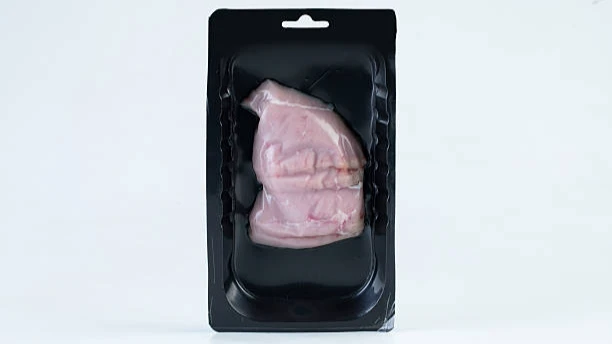
Fresh meat and poultry are among the most commonly vacuum packed foods. Removing oxygen slows the growth of aerobic spoilage bacteria and helps prevent oxidative changes in fat, while frozen cuts keep better because less air means less freezer burn. One trade-off to plan for: fresh red meat darkens under vacuum because the pigment that makes it red needs oxygen, which is why retail packs of fresh red meat often use modified atmosphere packaging instead, while wholesale cuts and frozen portions use vacuum.
Portion the meat to its final pack weight before sealing, keep seal areas clean and dry, and store packs chilled or frozen. For high-volume meat operations, continuous thermoforming vacuum packaging machines form, fill and seal packs from film rolls, while premade pouch vacuum machines suit portioned cuts in ready bags.
2. Seafood and Fish
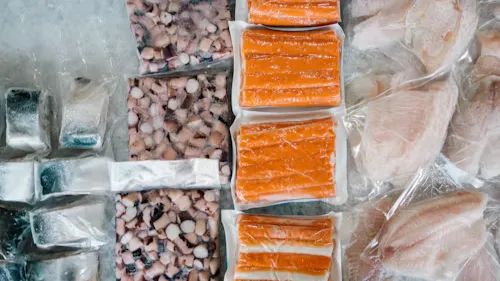
Filetti di pesce, gamberetto, squid, scallops and salmon portions spoil quickly because they carry high moisture, active enzymes and their own bacteria load. Vacuum packaging slows aerobic spoilage, contains strong fish odours in cold storage and freezers, and keeps purge contained in the pack instead of pooling around the product.
Seafood’s high moisture is the main machine consideration: liquid can be drawn toward the seal area during vacuum, weakening the seal, so machines with liquid control or adjustable dwell time are valuable. Shell-on shrimp and crustaceans need puncture-resistant film. A premade bag automatic vacuum packing machine handles fish and meat portions, while higher volumes can run on thermoforming lines.
3. Sausages and Processed Meats
Oxygen is the enemy of cured and smoked products: it fades their colour and turns fat rancid. Vacuum packaging keeps whole sausages, salami, hams and sliced deli meats closer to their freshly processed state and controls moisture loss in cold storage.
Whole sausages pack well in premade pouches, while sliced retail portions are often formed into thermoformed packs. Sliced stacks can compress under deep vacuum, so moderate vacuum levels matter for presentation. The meat packaging machines guide covers the machine types for fresh, cured and processed meat in more detail.
4. Formaggio
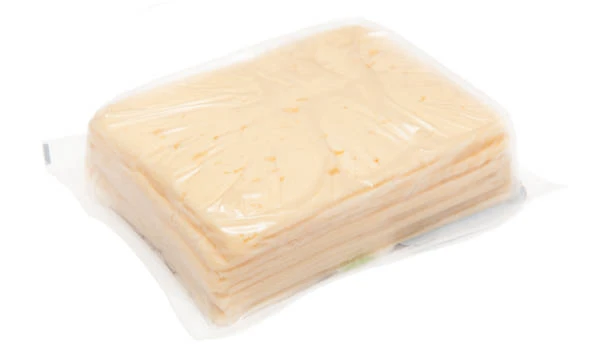
Hard and semi-hard cheeses vacuum pack well. Removing air stops the cheese from drying out, slows aerobic mould growth, and keeps it from absorbing odours from other products in storage. Blocks, slices and shreds are all common vacuum pack formats.
Two cheese-specific considerations drive machine choice. Oily cheeses leave fat on the seal area, which weakens seals unless the sealing system and film handle it. Soft cheeses deform under deep vacuum, so they need adjustable vacuum levels, or vacuum skin packaging, where the film conforms to the product without crushing it and gives premium cheeses strong shelf presentation.
5. Dates and Dried Fruits
Date, raisins, apricots, figs and other dried fruits are naturally sticky, which causes clumping and moisture pick-up when air circulates around them. Vacuum packaging reduces that moisture exchange and slows browning and flavour loss during storage.
Very soft or syrup-heavy varieties compress under deep vacuum, so machines with adjustable vacuum levels are needed to protect shape and texture. When appearance on the shelf matters more than maximum shelf life, MAP tray sealing is an alternative that keeps the pack rigid instead of tight against the fruit.
6. Nuts and Seeds
Nuts and seeds carry high oil content, and oil oxidises on contact with air, producing rancid flavours long before the product looks spoiled. Almonds, walnuts, cashews, arachidi, sunflower seeds and pumpkin seeds all keep noticeably longer in vacuum packs than in air-filled pouches.
Two film issues matter here. Sharp edges on nuts and shells can puncture thin film, so the film gauge must match the product, and fine nut dust settling on the seal area weakens seals, making dust control part of line design. Premade pouch vacuum machines pack nuts and seeds into retail-ready pouches at high speed.
7. Cooked Eggs and Quail Eggs
Eggs in the shell are generally not vacuum packed: the shell needs gas exchange and is too fragile. Cooked, peeled quail eggs are a different story and are widely vacuum packed for retail and foodservice in many markets. Vacuum keeps them moist, prevents contamination and gives them a long chilled shelf life.
The challenge is entirely mechanical: cooked eggs crush easily, so the vacuum level must be gentle and the pack format should cushion rather than compress. Premade pouch vacuum machines with fine vacuum control, or tray-based formats, protect the product while keeping it clean and presentable.
8. Prodotti da forno
Crisp, dry bakery items benefit most from vacuum packaging: biscotti, crackers and crisp flatbreads stay crunchy longer because air, and the moisture it carries, cannot reach them. Staleness is largely a moisture problem, and vacuum solves it directly.
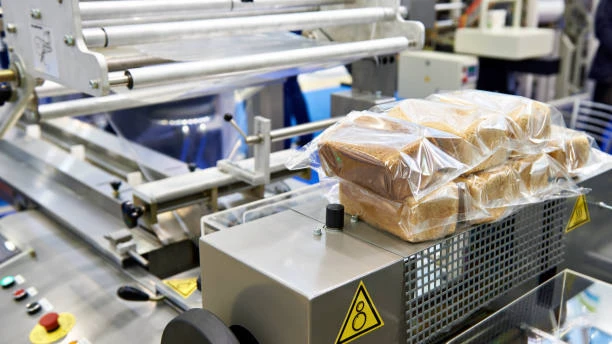
Soft products are the exception. Bread loaves, cakes and pastries collapse under vacuum and should run through MAP, flow wrap or tray sealing instead, which is why bakery lines usually combine several machine types. The bakery packaging solutions guide compares the formats in detail.
9. Frozen Foods
Freezer burn happens when air in the pack lets moisture sublimate from the food surface, leaving dry discoloured patches. Vacuum packing frozen meat, frutti di mare, vegetables and prepared portions removes that air, slows ice crystal formation and keeps portion packs compact for stacking in cold storage.
Machine selection for frozen products comes down to film and seals that stay flexible and strong at freezer temperatures, plus clean dry seal areas before packing. Because frozen food spans so many formats, the frozen food packaging machine guide maps machine types to frozen product categories.
10. Ready Meals and Cooked Portions
Cooked proteins, riso, pasta and prepared sides all vacuum pack well as components: removing oxygen slows oxidative off-flavours and microbial growth, and the compact pack fits chilled logistics. Complete plated meals with soft or loose components are usually better in MAP tray sealing, which holds the meal’s appearance instead of pressing film against it.
Ready meals are high-moisture products, so liquid control during vacuum and careful handling of purge are essential. Chilled storage and validated shelf-life testing still apply regardless of the pack format.
Not Sure Which Machine Fits Your Food Products?
11. Coffee Beans
Coffee’s value is in its aroma, and aroma compounds oxidise quickly in air. Vacuum packing whole beans slows that oxidation and protects the oils that carry flavour. Roasters should remember that freshly roasted beans release carbon dioxide: beans packed immediately after roasting may need one-way degassing valves, while beans degassed first can be sealed under full vacuum for longer storage.
For retail pouches of whole beans, horizontal premade pouch vacuum machines combine vacuum sealing with high output and consistent pack weights. Ground coffee is more delicate and usually runs in valve pouches or modified atmosphere formats.
12. Rice, Grains and Dry Staples
Rice, cereali, oats, pulses and other dry staples degrade slowly but steadily in air: they absorb moisture, take on odours and become attractive to pests. Vacuum packs keep them dry, compact and clean through long storage and export shipping, and the tight packs stack far more efficiently than air-filled bags.
Large retail or wholesale packs need strong seals and film that holds a tight vacuum for months. Grain dust is a practical concern because it contaminates seal areas, so dust extraction around the filling station belongs in the line design.
13. Salse, Marinades and Moist Foods
Liquid and semi-liquid foods can be vacuum packed, but only on the right machine. The problem is that vacuum draws liquid toward the seal area, and any sauce on the seal line weakens it. Machines built for moist foods control the vacuum curve, use dwell settings, or seal in a way that tolerates small amounts of liquid.
Premade pouch vacuum machines with liquid control handle sauces, marinades and braised products in pouches. For free-flowing liquids in stand-up spout pouches, a liquid and paste filling line is usually the better route than vacuum at all.
14. Vegetables Prepared for Storage
Blanched, cut, cooked or frozen vegetables vacuum pack well because they no longer respire and benefit from the oxygen-free pack. Fresh vegetables are the opposite: they are still breathing after harvest, and sealing them without oxygen pushes them into anaerobic conditions that produce off-flavours and spoilage. Fresh produce belongs in MAP with controlled gas mixtures, not vacuum.
The practical rule: prepare the vegetable first, then vacuum pack it. If the product must stay fresh and crisp, choose MAP instead.
Foods That Need Extra Care Before Vacuum Packing
Vacuum packaging is not a universal fit. Four food groups need either adjusted settings or a different packaging method altogether.
Very Soft Foods
Soft cheeses, cakes, loose cooked pasta and similar products deform under deep vacuum. Lower vacuum levels reduce the squeeze, but where appearance matters, vacuum skin packaging or MAP tray sealing is usually the better answer.
Very Moist or Liquid Foods
High-moisture foods draw liquid into the seal area during vacuum, which causes weak or leaking seals. Machines with liquid control, angled sealing or adjustable dwell time manage this, but the film and seal settings must be validated with the real product.
Prodotti freschi
Fresh fruits and vegetables keep respiring after harvest. Vacuum sealing stops oxygen exchange and can trigger anaerobic fermentation and rapid quality loss. Fresh produce should be packed in MAP with gas mixtures matched to the product’s respiration rate.
Hot Foods
Hot food must be cooled before vacuum packing. Sealing hot product traps steam, condenses moisture inside the pack, weakens seals and holds the food in the temperature danger zone longer. Cool products quickly under controlled conditions, then pack.
How to Choose the Right Vacuum Packaging Machine
Once you know which foods you are packing, six factors narrow the machine choice. IL vacuum packaging technology page lists the machine types CHLB offers across these formats.
- Food type and moisture level: Dry products seal easily; moist products need liquid control and validated seal settings.
- Package format and portion size: Thermoformed packs come from film rolls, premade pouches arrive ready-made, and trays suit MAP or skin packaging. Portion weight decides pouch width, forming depth and seal width.
- Storage method: Chilled, frozen or ambient storage changes the film, the seal strength and the vacuum level needed.
- Food safety controls: Machine surfaces, washdown requirements and temperature control must match the product risk level. Vacuum packaging is one control in the chain, not a replacement for hygiene and cold chain.
- Film and seal strength: Sharp products need puncture-resistant film, oily products need tolerant sealing, and frozen storage needs seals that hold at low temperature.
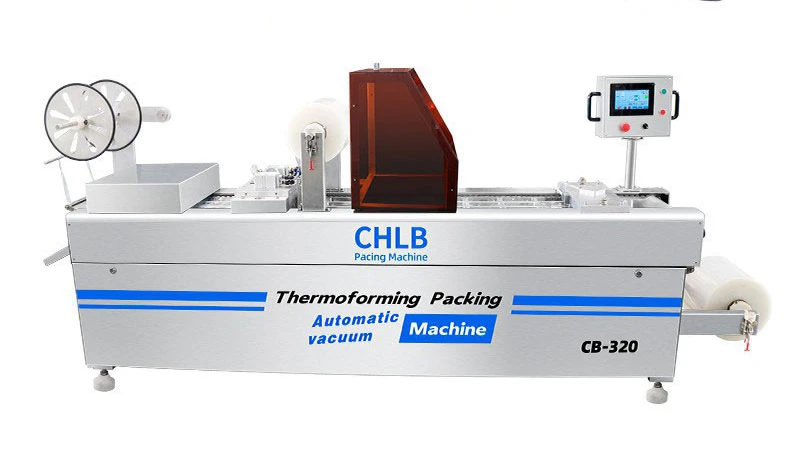
- Volume di produzione: Output targets decide between batch and continuous machines. As a reference, CHLB states its premade pouch vacuum machines reach up to 60 bags per minute and its MAP lines up to 72 packages per minute; real output depends on product, pack size and line configuration.
Common Mistakes to Avoid
- Skipping vacuum-level adjustment for soft products, which crushes the food and wastes film.
- Using the wrong film, such as thin film for sharp-shelled seafood or nuts, which leads to punctures and leaking packs.
- Packing hot food, which traps steam, weakens seals and extends time in the temperature danger zone.
- Assuming vacuum equals ambient shelf life. Most vacuum packed foods still need chilled or frozen storage.
- Under-sizing the machine to the production volume, then running it beyond its rated output or adding labour around it.
- Ignoring seal-area contamination from crumbs, dust, fat or liquid, the most common cause of weak seals.
- Choosing vacuum where MAP or tray sealing fits better, such as retail fresh red meat, soft bakery items and fresh produce.
- Buying without testing. Run trials with the real product, film and target output before committing to a machine.
Considerazioni finali
Vacuum packaging rewards the foods that suffer most from air: carne, frutti di mare, formaggio, noci, caffè, dried fruits and frozen products. For soft, moist or still-respiring foods, the machine choice changes or the method changes altogether. The right decision follows the food type, its moisture level, the pack format, storage conditions and production volume, validated by trials with the real product.
CHLB Group supplies thermoforming vacuum machines, premade pouch vacuum machines, MAP tray sealers and vacuum skin packaging machines, and builds them into complete food packaging lines for seafood, carne, formaggio, forno, frozen food and liquid producers in over 100 regions. Contact CHLB Group to discuss your products and evaluate a suitable vacuum packaging solution.
Domande frequenti
What is the difference between vacuum packaging and MAP?
Vacuum packaging removes the air and lets the pack collapse tightly around the product. Modified atmosphere packaging (MAPPA) replaces the air with a controlled gas mixture and keeps the pack rigid. Vacuum generally gives the longest shelf life, while MAP preserves colour and shape for retail display. For a full comparison, see vacuum packaging vs MAP for food businesses.
Which is better for fresh meat: vacuum or MAP?
It depends on the cut and the sales channel. Vacuum packs keep longest and suit wholesale cuts, frozen portions and storage, but fresh red meat darkens without oxygen. High-oxygen MAP keeps retail red meat bright red for display, at the cost of shorter shelf life and gas handling. Many processors use both: vacuum for storage and distribution, MAP for retail packs.
What foods should not be vacuum packed?
Very soft foods that crush, such as soft cheeses, cakes and loose pasta dishes; fresh produce that is still respiring; and hot food that has not been cooled. Raw eggs in the shell are also unsuitable. These products need adjusted vacuum levels, MAPPA, tray sealing or a different method entirely.
Can you vacuum pack ready meals?
Cooked components such as proteins, rice and sides vacuum pack well. Complete plated meals with soft or loose parts are usually better in MAP tray sealing, which keeps the meal’s appearance instead of pressing film against it. Ready meals remain chilled products regardless of pack format. See ready meal packaging solutions for formats and machine options.
Does vacuum packaging replace refrigeration?
NO. Vacuum packaging removes oxygen, which slows aerobic spoilage, but it does not sterilise the food or stop anaerobic organisms and enzymes completely. Vacuum packed meat, frutti di mare, formaggio, eggs and ready meals still need chilled or frozen storage, and the shelf life must be validated under the intended storage conditions.