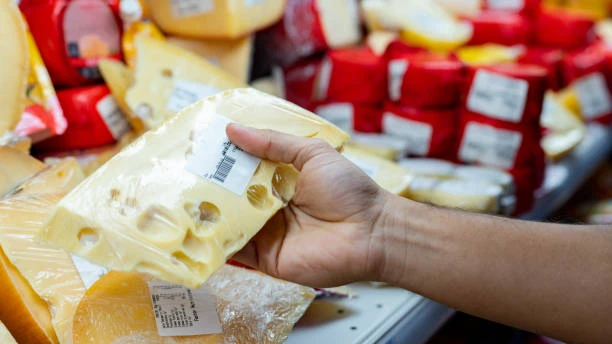
Aumento del costo del lavoro, colli di bottiglia della produzione, e i risultati incoerenti degli imballaggi rappresentano sfide comuni per i produttori alimentari che vogliono espandere le proprie attività. I sistemi di imballaggio manuali e automatizzati forniscono soluzioni diverse per migliorare l’efficienza, ma un investimento sbagliato può aumentare i costi e limitare la scalabilità della produzione.
Una chiara valutazione degli obiettivi di output, requisiti del prodotto, e i costi operativi a lungo termine aiutano i produttori a identificare il giusto approccio al confezionamento. Questo confronto esamina i livelli di automazione, valore dell'investimento, e la produzione deve supportare operazioni di confezionamento alimentare più efficienti e scalabili.
Imballaggio manuale o automatizzato: Differenze chiave
I sistemi di confezionamento alimentare manuali e automatizzati differiscono in termini di requisiti di manodopera, capacità produttiva, struttura dei costi, e scalabilità. Il confronto riportato di seguito aiuta i produttori alimentari a valutare quale approccio si adatta ai loro obiettivi di produzione.
| Fattore di valutazione | Confezionamento alimentare manuale | Confezionamento alimentare automatizzato |
|---|---|---|
| Velocità di produzione | Dipende dalla velocità dell'operatore, disponibilità di manodopera, e orario di lavoro. | Fornisce un output stabile e un funzionamento continuo per volumi di produzione più elevati. |
| Costo dell'investimento | Richiede un investimento iniziale inferiore e attrezzature più semplici. | Richiede un investimento iniziale più elevato per le macchine e l'integrazione del sistema. |
| Costo operativo | Il costo del lavoro aumenta con l’aumento del volume della produzione alimentare. | Riduce la dipendenza dal lavoro e migliora l’efficienza dei costi su larga scala. |
| Flessibilità | Adatto per prodotti alimentari personalizzati, più SKU, e cambiamenti frequenti. | Ideale per prodotti standardizzati e processi di produzione stabili. |
| Coerenza dell'imballaggio | La qualità può variare a seconda delle capacità dell'operatore e della movimentazione manuale. | Mantiene una tenuta costante, riempimento, e risultati del confezionamento attraverso l'automazione. |
| Scalabilità | La crescita richiede lavoratori e risorse gestionali aggiuntivi. | Supporta una produzione più elevata senza aumentare direttamente il fabbisogno di manodopera. |
| Migliore applicazione | Piccoli produttori alimentari, cibi speciali, e produzione a basso volume. | Produttori alimentari che richiedono alta efficienza, qualità costante, e produzione scalabile. |
Panoramica dei sistemi di confezionamento manuali
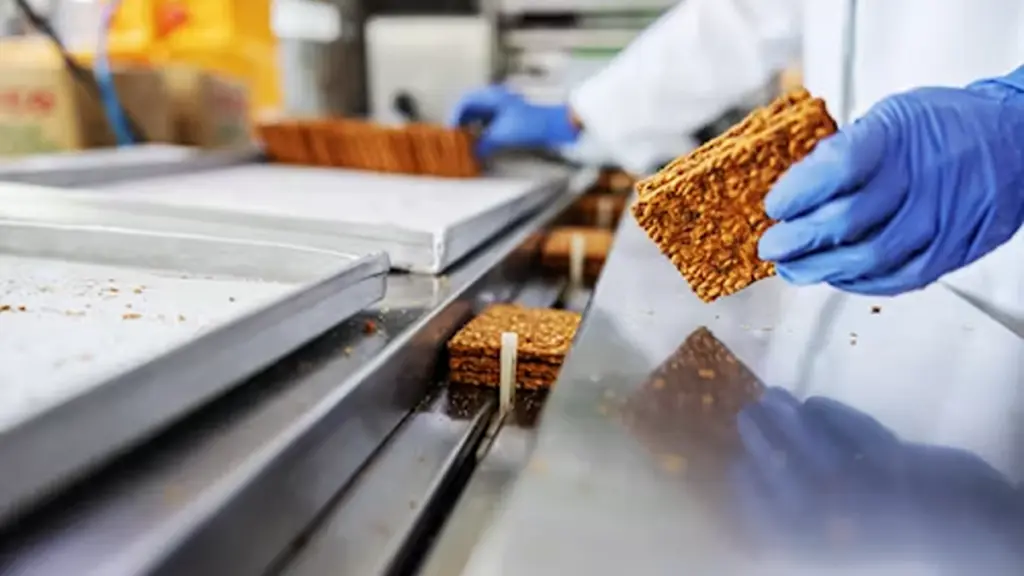
I sistemi di confezionamento alimentare manuale dipendono dagli operatori per completare le attività di confezionamento senza macchinari completamente integrati. Forniscono flessibilità e costi di investimento inferiori per la produzione di piccoli lotti e prodotti alimentari personalizzati.
Definizione e caratteristiche fondamentali
Un sistema di confezionamento alimentare manuale utilizza lavoratori e attrezzature di base per eseguire operazioni come il riempimento, sigillatura, etichettatura, e controllo di qualità. A differenza delle linee di confezionamento alimentare automatizzate, ogni passaggio richiede il coinvolgimento diretto dell'operatore.
Le caratteristiche principali includono:
- Basso investimento iniziale: Richiede meno macchine e costi di installazione inferiori, rendendolo accessibile ai piccoli produttori alimentari e allo sviluppo di nuovi prodotti.
- Elevata flessibilità: Consente agli operatori di gestire diversi prodotti alimentari, dimensioni del pacchetto, e frequenti cambi di SKU senza complesse regolazioni della macchina.
- Operazione semplice: I processi di confezionamento possono essere modificati rapidamente in base ai requisiti del prodotto, domanda stagionale, o ordini personalizzati.
Il confezionamento manuale funziona bene quando la flessibilità è più importante della velocità di produzione, soprattutto per le specialità alimentari, lotti limitati, e prodotti con cambi frequenti.
Applicazioni adatte e limitazioni
Il confezionamento alimentare manuale è adatto ai piccoli produttori alimentari, prodotti speciali, e produzione a basso volume in cui la flessibilità è più importante della velocità.
Tuttavia, all’aumentare della domanda di produzione, i produttori possono trovarsi ad affrontare diverse sfide:
- Consistenza inferiore: Le operazioni manuali possono influire sulla precisione del riempimento, qualità di tenuta, e l'aspetto della confezione.
- Produttività limitata: La produzione dipende dalla velocità del lavoratore e dalla manodopera disponibile.
- Costi del lavoro più elevati: Il ridimensionamento della produzione richiede più operatori e risorse di gestione.
Promuovi l'efficienza con le linee di confezionamento automatizzate
Come funzionano i sistemi di imballaggio automatizzati
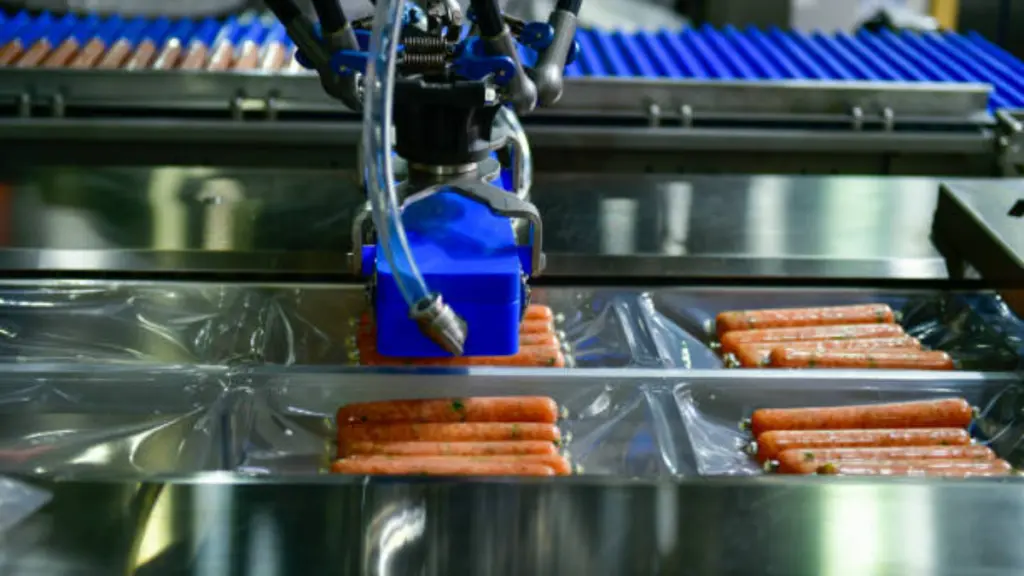
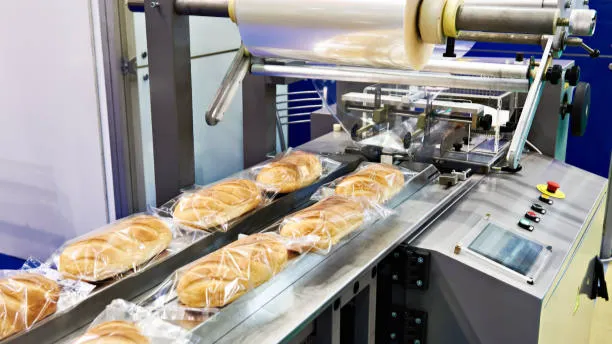
Sistemi automatizzati di confezionamento alimentare collegare più macchine in una linea di produzione coordinata che gestisce il caricamento del prodotto, confezione, sigillatura, e ispezione. Aiutano i produttori di alimenti a migliorare la consistenza, ridurre il lavoro manuale, e supportare la produzione continua.
Flusso di lavoro integrato per l'imballaggio alimentare
Una linea automatizzata di confezionamento alimentare combina diversi processi in un unico flusso di lavoro continuo. Ogni macchina esegue un compito specifico mantenendo una velocità stabile, imballaggio accurato, e risultati coerenti su grandi lotti di produzione alimentare.
Il flusso di lavoro tipico include:
- Alimentazione del prodotto: I sistemi di trasporto o gli alimentatori robotizzati trasferiscono i prodotti alimentari nella linea di confezionamento con un flusso di materiale controllato.
- Confezionamento e riempimento: Le macchine creano formati adatti come le buste, vassoi, o borse, quindi riempire i prodotti con quantità precise.
- Sigillatura e ispezione: I sistemi di sigillatura proteggono gli alimenti confezionati, mentre le selezionatrici ponderali e i sistemi di visione verificano il peso, qualità del pacchetto, e precisione produttiva.
- Codifica e output: Le apparecchiature di codifica aggiungono informazioni sul lotto e dati di tracciabilità prima che i prodotti vengano spostati nello stoccaggio o nella distribuzione.
Questo processo integrato consente ai produttori alimentari di mantenere una produzione efficiente migliorando al tempo stesso la consistenza del confezionamento e il controllo di qualità.
Attrezzature chiave nelle linee automatizzate di confezionamento alimentare
Prodotti alimentari diversi richiedono configurazioni di macchine diverse, ma la maggior parte delle soluzioni di imballaggio automatizzate combinano diversi sistemi principali:
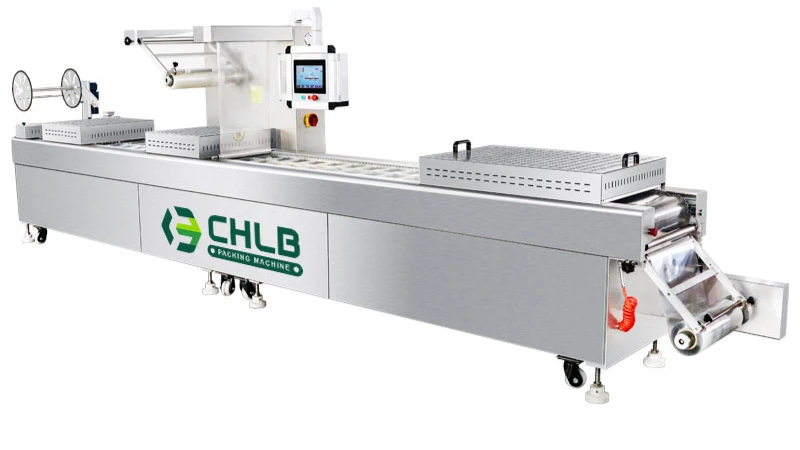
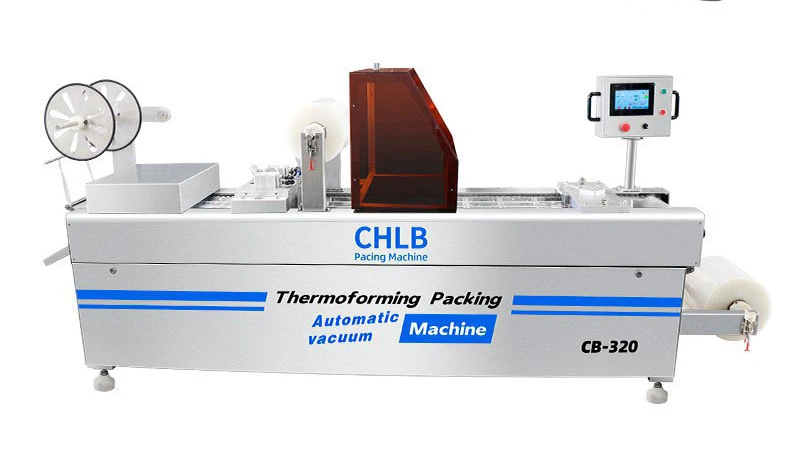
- Attrezzature per la formatura e il riempimento: Vff, HFFS, e le macchine termoformatrici creano confezioni e completano il caricamento del prodotto in automatico.
- Attrezzature per la sigillatura e la conservazione: Sigillatura del vassoio, confezionamento sottovuoto, E Sistemi MAP contribuire a proteggere la qualità degli alimenti e prolungarne la durata di conservazione.
- Sistemi di ispezione e controllo: Selezionatrici ponderali, ispezione della vista, e i controlli basati su PLC migliorano la precisione e mantengono stabile il funzionamento della linea.
La configurazione finale della linea di confezionamento dipende dal tipo di alimento, formato del pacchetto, volume di produzione, e il livello di automazione richiesto.
Controllo e monitoraggio centralizzati
Le moderne linee automatizzate di confezionamento alimentare utilizzano sistemi PLC e HMI per coordinare il funzionamento della macchina e monitorare le prestazioni di produzione. Gli operatori possono regolare le impostazioni, monitorare lo stato della linea, e gestire i dati di produzione attraverso un'interfaccia centralizzata.
Questo approccio all’automazione aiuta i produttori alimentari a ottenere operazioni di confezionamento più affidabili, migliorare la tracciabilità, ed espandere la capacità produttiva all’aumentare della domanda.
Confronto di costi e ROI
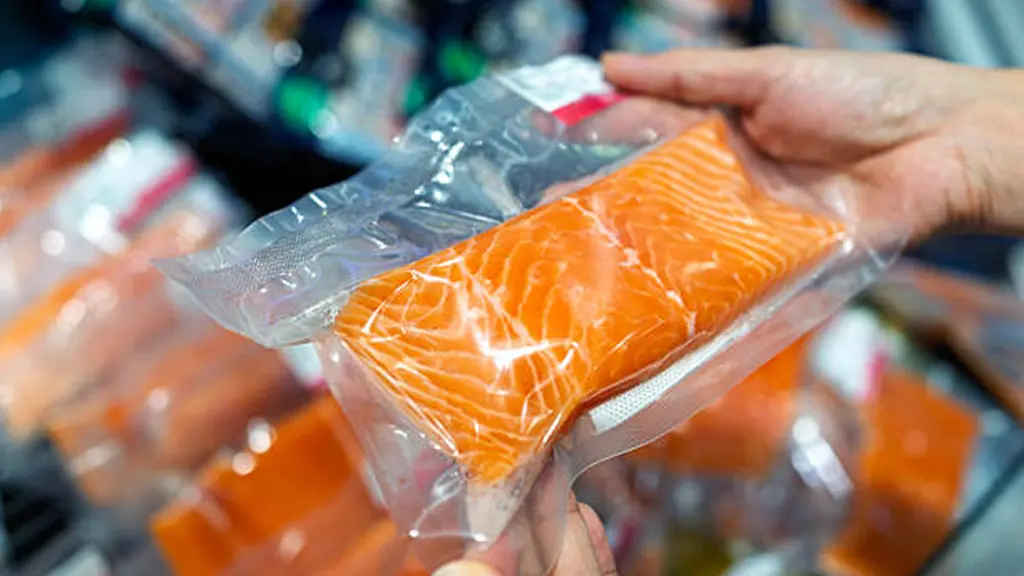
Per i produttori di alimenti, il valore dell'automazione del confezionamento dipende dai costi di investimento, requisiti di manodopera, volume di produzione, ed efficienza operativa a lungo termine.
Investimento iniziale e costi operativi
Il confezionamento manuale degli alimenti richiede investimenti iniziali inferiori poiché si basa principalmente sugli operatori e sulle attrezzature di base. Tuttavia, il costo del lavoro aumenta all’aumentare della produzione, soprattutto per il riempimento, sigillatura, ispezione, e compiti di etichettatura.
I sistemi automatizzati di confezionamento degli alimenti richiedono investimenti iniziali più elevati ma riducono la dipendenza dalla manodopera, migliorare la precisione dell'imballaggio, e minori costi legati ai rifiuti, rilavorazione, e inefficienza produttiva.
| Fattore di costo | Confezionamento alimentare manuale | Confezionamento alimentare automatizzato |
|---|---|---|
| Investimento | Costo iniziale inferiore con attrezzatura di base. | Costo più elevato per le linee di confezionamento integrate. |
| Costo del lavoro | Aumenta con il volume di produzione e le esigenze di forza lavoro. | Riduce le esigenze di manodopera ripetitiva. |
| Efficienza produttiva | Dipende dalla velocità e dalla costanza dell'operatore. | Fornisce risultati stabili e una qualità di imballaggio costante. |
Volume di produzione e impatto sul ROI
Il volume di produzione influisce direttamente sul ritorno dell’investimento in automazione. Mentre i produttori alimentari aumentano la produzione, il risparmio di manodopera e il miglioramento dell’efficienza rendono le linee di confezionamento automatizzate più attraenti dal punto di vista finanziario.
| Volume di produzione | Approccio consigliato | Potenziale ROI |
|---|---|---|
| Basso volume | Sistemi manuali o semiautomatici | Minore pressione sugli investimenti, vantaggi limitati dell’automazione. |
| Volume medio | Sistemi semiautomatici o automatizzati | Il risparmio di manodopera inizia a migliorare il ROI. |
| Alto volume | Linee di confezionamento completamente automatizzate | Ammortamento più rapido grazie a una maggiore efficienza. |
Costo totale di proprietà (TCO)
Il prezzo di acquisto di una macchina confezionatrice è solo una parte dell'investimento totale. I produttori alimentari dovrebbero considerare la manodopera, manutenzione, tempi di inattività, rifiuti materiali, e perdite di produzione nella valutazione dei costi a lungo termine.
Per le imprese alimentari in crescita, una linea di confezionamento automatizzata può fornire un maggiore valore finanziario migliorando la produttività, riducendo gli errori di imballaggio, e sostenere la futura espansione della produzione.
Quale sistema di confezionamento si adatta alla tua produzione alimentare?
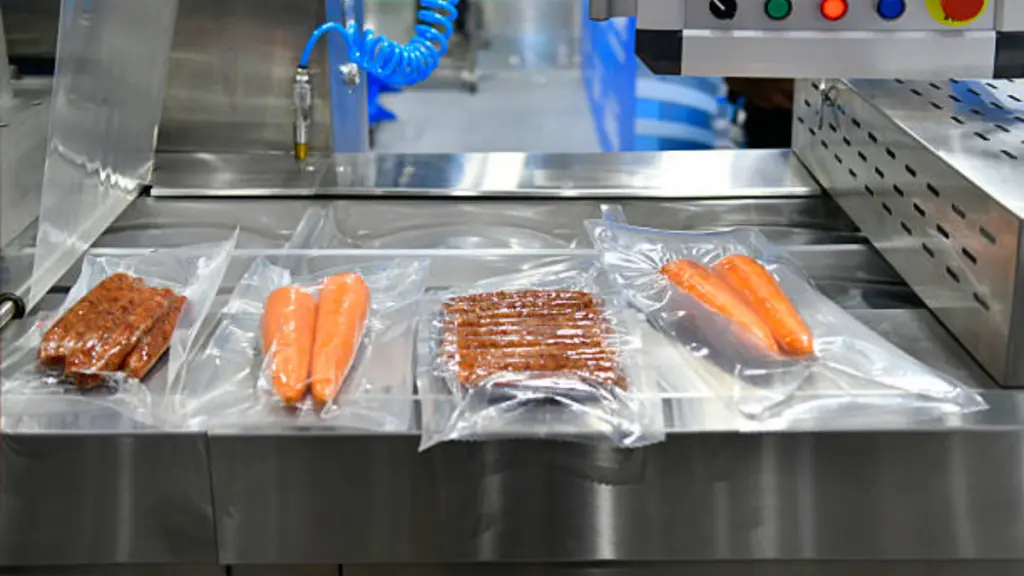
I produttori alimentari necessitano di soluzioni di imballaggio diverse in base alla tipologia di prodotto, volume di produzione, requisiti igienici, e obiettivi di automazione. Il sistema giusto aiuta a bilanciare la flessibilità, efficienza, e crescita della produzione a lungo termine.
| Requisiti di produzione alimentare | Sistema consigliato | Vantaggio chiave |
|---|---|---|
| Piccoli lotti, frequenti cambi di prodotto | Sistema di confezionamento manuale o semiautomatico | Movimentazione flessibile per diversi prodotti e formati di imballaggio |
| Domanda in crescita con volume di produzione moderato | Sistema di confezionamento semiautomatico | Riduce la manodopera mantenendo la flessibilità della produzione |
| Produzione alimentare in grandi volumi con SKU stabili | Linea di confezionamento completamente automatizzata | Migliora la produttività, coerenza, ed efficienza dell'imballaggio |
| Molteplici prodotti alimentari che richiedono processi diversi | Soluzione di imballaggio integrata | Combina diverse macchine per flussi di lavoro di produzione completi |
Oltre il volume della produzione, i produttori alimentari dovrebbero considerare le caratteristiche del prodotto, requisiti di sicurezza alimentare, e i futuri piani di produzione prima di investire in attrezzature per l’imballaggio.
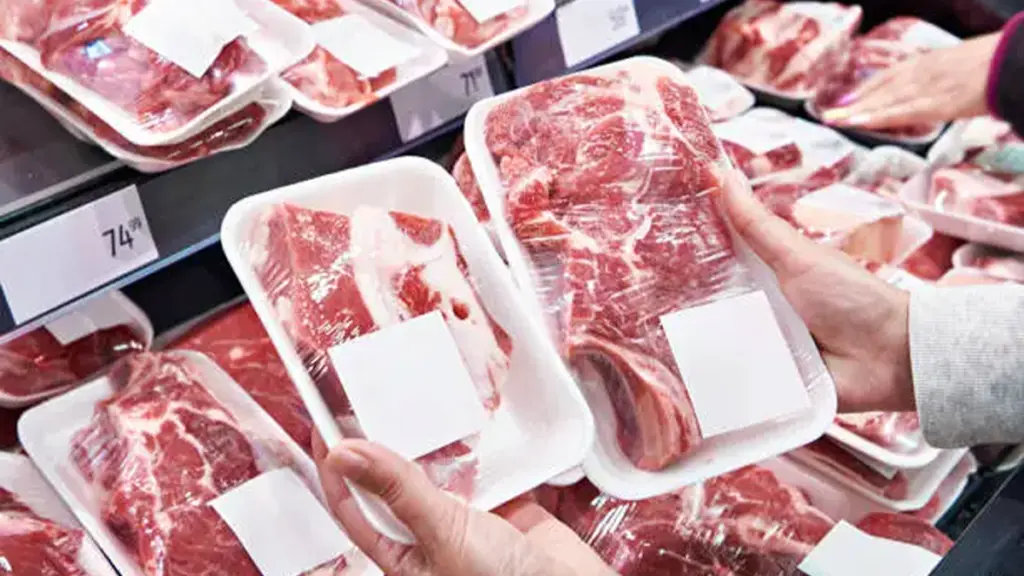
- Caratteristiche del prodotto: Carne e frutti di mare freschi, prodotti da forno, E piatti pronti potrebbe richiedere formati di imballaggio e livelli di automazione diversi.
- Requisiti di igiene: I sistemi di imballaggio alimentare devono supportare operazioni pulite, tenuta stabile, e un controllo di qualità costante.
- Crescita della produzione: Una linea di confezionamento scalabile consente ai produttori di aumentare la capacità senza sostituire l’intero sistema.
Per molti produttori alimentari in crescita, una soluzione di confezionamento semiautomatica o integrata fornisce una transizione pratica verso la completa automazione. Le aziende possono prima automatizzare i processi ripetitivi ed espandere gradualmente le proprie capacità di confezionamento man mano che la domanda aumenta.
Puoi saperne di più su Come scegliere i giusti sistemi automatizzati di confezionamento alimentare nel nostro articolo dedicato.
Considerazioni finali
I sistemi di confezionamento manuali e automatizzati soddisfano diverse esigenze produttive, e la soluzione giusta dipende dal volume della tua fabbrica, requisiti del prodotto, e piani di crescita a lungo termine. Valutare fattori come il costo del lavoro, scalabilità, E Costo totale di proprietà (TCO) aiuta i produttori a prendere decisioni di investimento più affidabili.
CHLB fornisce soluzioni di imballaggio automatizzate personalizzate per aiutare i produttori alimentari a migliorare l'efficienza produttiva e costruire sistemi di imballaggio scalabili. Con esperienza nell'integrazione completa della linea di confezionamento, CHLB supporta le imprese in sviluppare soluzioni pratiche che corrispondono alle operazioni attuali e agli obiettivi di espansione futuri.
Domande frequenti
Qual è la differenza tra sistemi di confezionamento manuali e automatizzati?
I sistemi di confezionamento manuali e automatizzati si differenziano principalmente in base a chi esegue il lavoro, velocità complessiva, coerenza, e struttura dei costi. Nei sistemi manuali, gli operatori umani eseguono la maggior parte o tutti i compiti, offrendo elevata flessibilità ma a una velocità inferiore e con costi di manodopera variabili più elevati. I sistemi automatizzati utilizzano macchinari per eseguire queste attività con un intervento umano minimo, offrendo alta velocità e coerenza, che è l'ideale per volumi elevati, produzione standardizzata.
Il confezionamento automatizzato è migliore del confezionamento manuale per la produzione alimentare?
Per la maggior parte della produzione alimentare con volumi da moderati ad elevati, l'imballaggio automatizzato è migliore grazie ai minori costi unitari, rendimento più elevato, e coerenza superiore in aree quali la sigillatura e l'etichettatura, che è fondamentale per la sicurezza alimentare. Il confezionamento manuale rimane la scelta preferita per volumi molto bassi, artigianale, o prodotti alimentari altamente personalizzati in cui la flessibilità supera la necessità di velocità e scalabilità.
Quando un’industria alimentare dovrebbe passare dal confezionamento manuale a quello automatizzato??
Una fabbrica alimentare dovrebbe cambiare quando il confezionamento manuale diventa un collo di bottiglia, tipicamente indicato da volumi di produzione eccedenti 500,000 unità all'anno, lotte persistenti per soddisfare la domanda, aumento del costo del lavoro o carenza di manodopera, e aumento dei tassi di errori di imballaggio. Se gli straordinari sono costantemente necessari solo per tenere il passo con il confezionamento, è un segnale forte che l’automazione è necessaria per crescere in modo efficiente.
Sono sistemi di confezionamento automatizzati adatti ai piccoli produttori alimentari?
SÌ, sistemi automatizzati, soprattutto opzioni semiautomatiche e modulari, sono adatti ai piccoli produttori alimentari che hanno raggiunto determinate soglie di crescita. L'automazione diventa praticabile quando la produzione dura più di 30 ore settimanali, i costi di manodopera per l’imballaggio superano $ 0,15–$ 0,20 per confezione, oppure la capacità manuale inizia a limitare la crescita delle vendite. Iniziare con l’automazione del collo di bottiglia più significativo è una strategia comune ed efficace.
Quanto tempo è necessario per ottenere il ROI da un sistema di confezionamento automatizzato?
Il ritorno sull'investimento (ROI) per un sistema di confezionamento automatizzato viene tipicamente realizzato in 6 A 24 mesi, con 12 A 24 i mesi sono il periodo di rimborso più comune. Nelle operazioni ad alto volume in cui l'automazione sostituisce una parte significativa del lavoro manuale, il ROI può essere raggiunto in appena 6 A 12 mesi. I principali fattori che determinano un rapido ritorno sono i risparmi diretti sulla manodopera, aumento della capacità produttiva, e ridotto spreco di materiale.
Quali fattori dovrei considerare prima di investire nell’automazione del packaging?
I fattori chiave da considerare includono i volumi di produzione attuali e previsti, la varietà dei vostri prodotti e formati di imballaggio, e il potenziale ROI. Dovresti anche valutare lo spazio fisico della tua struttura e i collegamenti alle utenze, le competenze tecniche del tuo team per il funzionamento e la manutenzione, e il costo totale di proprietà oltre il prezzo iniziale della macchina. Finalmente, valutare potenziali fornitori in base al loro supporto tecnico, servizio, ed esperienza con prodotti simili ai tuoi.