>

Manual vs Automated Packaging Systems: Which Is Better for Food Production?

Manual vs Automated Packaging Systems: Which Is Better for Food Production?

공유하다:

목차

Rising labor costs, production bottlenecks, and inconsistent packaging results are common challenges for food manufacturers expanding their operations. Manual vs automated packaging systems provide different solutions to improve efficiency, but the wrong investment can increase costs and limit production scalability.

A clear evaluation of output goals, product requirements, and long-term operating costs helps manufacturers identify the right packaging approach. This comparison examines automation levels, investment value, and production needs to support more efficient and scalable food packaging operations.

Manual vs Automated Packaging: Key Differences

Manual and automated food packaging systems differ in labor requirements, 생산 능력, cost structure, 및 확장성. The comparison below helps food manufacturers evaluate which approach fits their production goals.

Evaluation Factor Manual Food Packaging Automated Food Packaging
생산 속도 Depends on operator speed, labor availability, and working hours. Provides stable output and continuous operation for higher production volumes.
Investment Cost Requires lower upfront investment and simpler equipment. Requires higher initial investment for machines and system integration.
Operating Cost Labor costs increase as food production volume grows. Reduces labor dependency and improves cost efficiency at scale.
유연성 Suitable for customized food products, 여러 SKU, and frequent changes. Best for standardized products and stable production processes.
Packaging Consistency Quality may vary due to operator skills and manual handling. Maintains consistent sealing, 충전재, and packaging results through automation.
Scalability Growth requires additional workers and management resources. Supports higher output without directly increasing labor requirements.
Best Application Small food producers, specialty foods, and low-volume production. Food manufacturers requiring high efficiency, consistent quality, and scalable production.

Manual Packaging Systems Overview

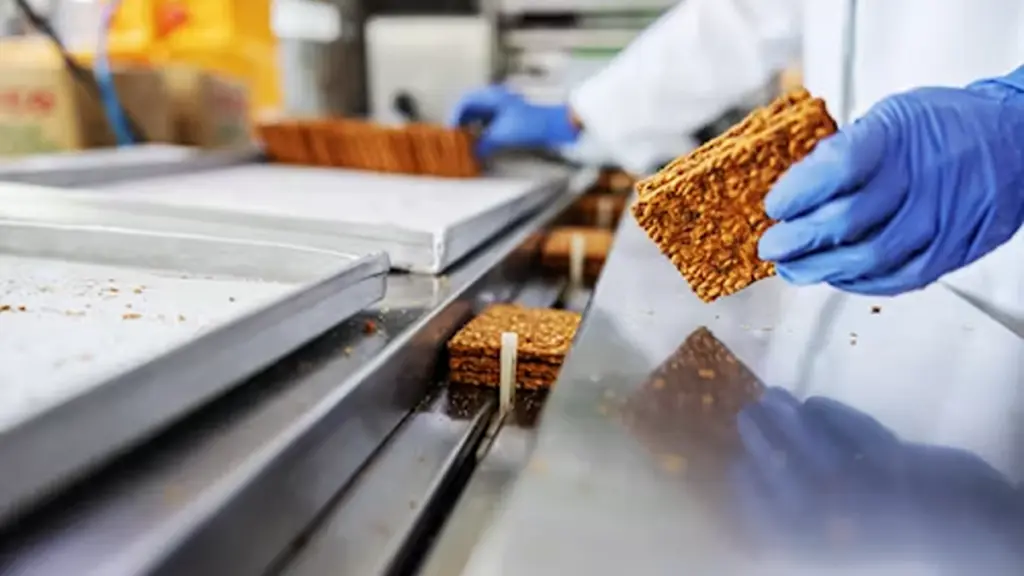
worker picking up biscuits form machine while standing in food factory.

Manual food packaging systems depend on operators to complete packaging tasks without fully integrated machinery. They provide flexibility and lower investment costs for small-batch production and customized food products.

Definition and Core Characteristics

A manual food packaging system uses workers and basic equipment to perform operations such as filling, 밀봉, 라벨링, and quality inspection. Unlike automated food packaging lines, each step requires direct operator involvement.

Key characteristics include:

  • Low Initial Investment: Requires fewer machines and lower setup costs, making it accessible for small food producers and new product development.
  • High Flexibility: Allows operators to handle different food products, package sizes, and frequent SKU changes without complex machine adjustments.
  • Simple Operation: Packaging processes can be modified quickly based on product requirements, seasonal demand, or customized orders.

Manual packaging works well when flexibility is more important than production speed, especially for specialty foods, limited batches, and products with frequent changes.

Suitable Applications and Limitations

Manual food packaging is suitable for small food producers, specialty products, and low-volume production where flexibility is more important than speed.

하지만, as production demand increases, manufacturers may face several challenges:

  • Lower Consistency: Manual operations may affect filling accuracy, sealing quality, and package appearance.
  • Limited Throughput: Output depends on worker speed and available labor.
  • Higher Labor Costs: Scaling production requires more operators and management resources.

Drive Efficiency with Automated Packaging Lines

이상으로 20 years of R&디, our CE/ISO certified systems are engineered for maximum uptime and reliability. We provide end-to-end integration to reduce your labor costs and material waste, delivering a rapid return on investment.

우리의 솔루션 살펴보기 →

Automated Food Packaging Line

How Automated Packaging Systems Work

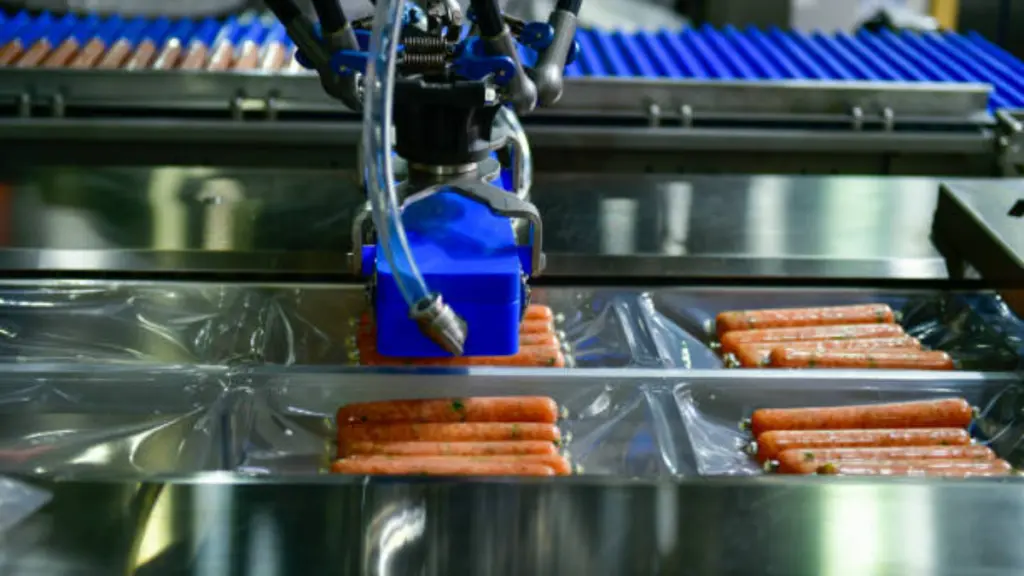
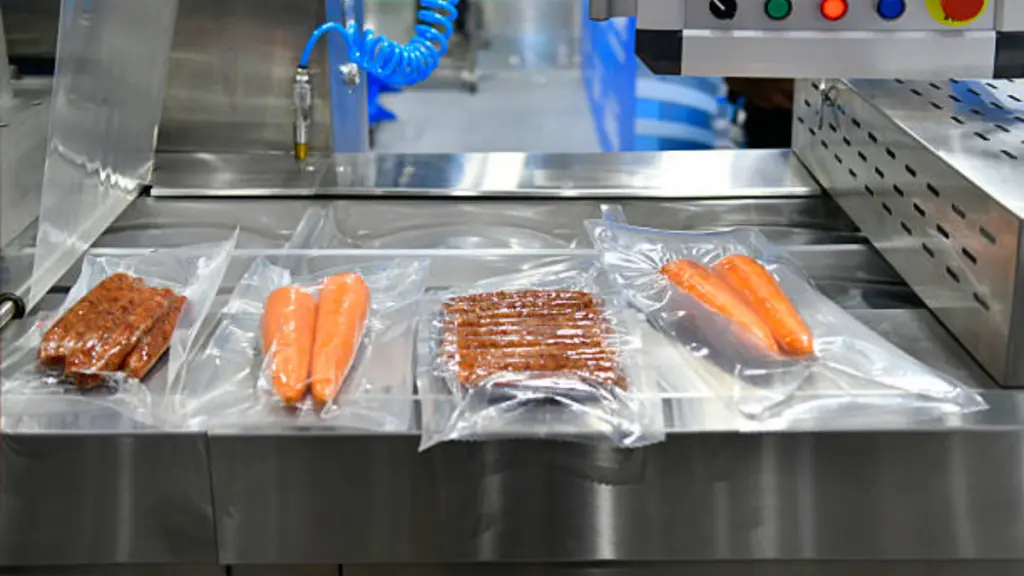
고성능 기계는 가공된 신선 식품 소시지를 포장합니다.

Automated food packaging systems connect multiple machines into a coordinated production line that handles product loading, 포장, 밀봉, and inspection. They help food manufacturers improve consistency, reduce manual labor, and support continuous production.

Integrated Food Packaging Workflow

An automated food packaging line combines different processes into one continuous workflow. Each machine performs a specific task while maintaining stable speed, accurate packaging, and consistent results across large food production batches.

The typical workflow includes:

  • Product Feeding: Conveyor systems or robotic feeders transfer food products into the packaging line with controlled material flow.
  • Packaging and Filling: Machines create suitable formats such as pouches, 쟁반, or bags, then fill products with accurate quantities.
  • Sealing and Inspection: Sealing systems protect packaged food, while checkweighers and vision systems verify weight, package quality, and production accuracy.
  • Coding and Output: Coding equipment adds batch information and traceability data before products move to storage or distribution.

This integrated process allows food manufacturers to maintain efficient production while improving packaging consistency and quality control.

Key Equipment in Automated Food Packaging Lines

Different food products require different machine configurations, but most automated packaging solutions combine several core systems:

  • Forming and Filling Equipment: VFFS, HFFS, and thermoforming machines create packages and complete product loading automatically.
  • Sealing and Preservation Equipment: Tray sealing, 진공 포장, 그리고 MAP systems help protect food quality and extend shelf life.
  • Inspection and Control Systems: Checkweighers, vision inspection, and PLC-based controls improve accuracy and maintain stable line operation.

The final packaging line configuration depends on food type, package format, production volume, and required automation level.

Centralized Control and Monitoring

Modern automated food packaging lines use PLC and HMI systems to coordinate machine operation and monitor production performance. Operators can adjust settings, track line status, and manage production data through a centralized interface.

This automation approach helps food manufacturers achieve more reliable packaging operations, improve traceability, and expand production capacity as demand increases.

Cost and ROI Comparison

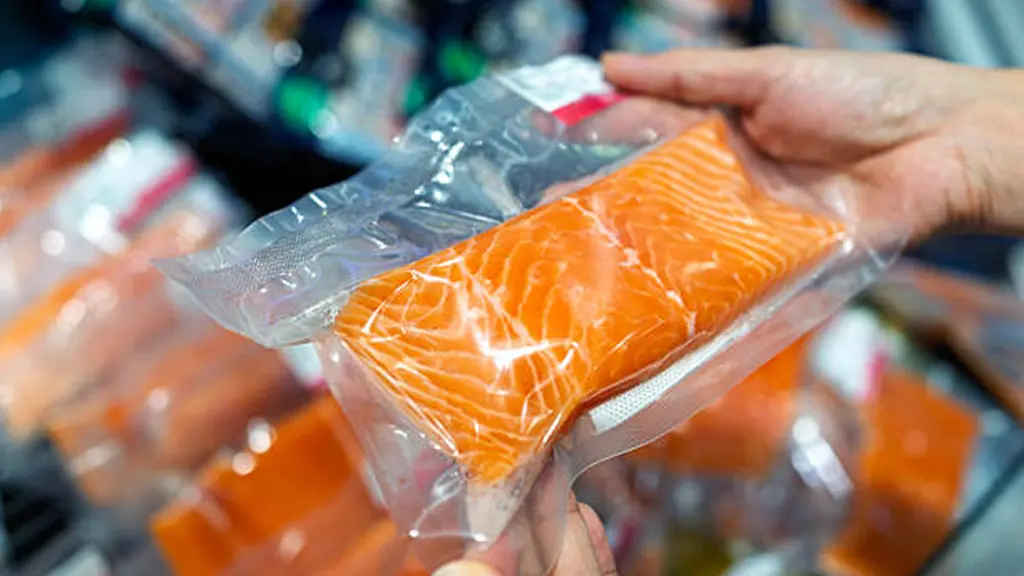
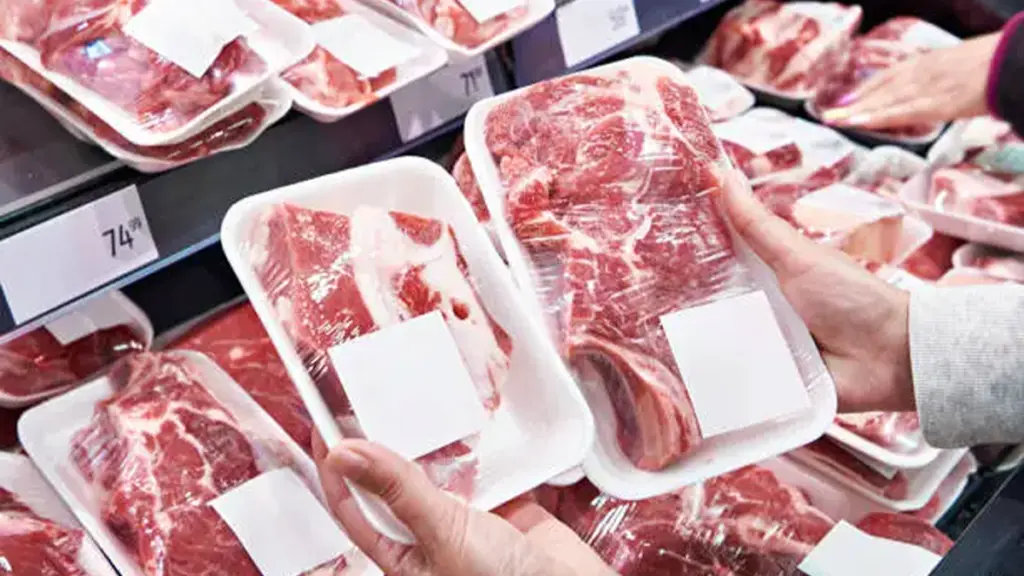
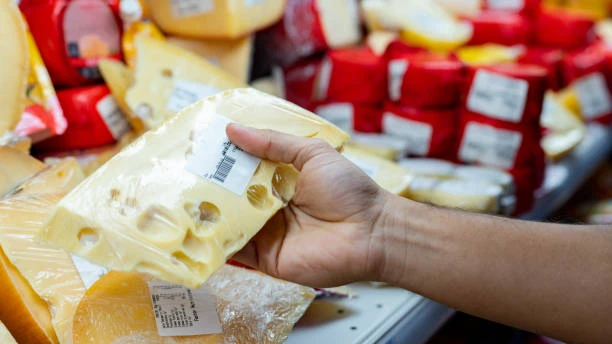
a person's hand holding a packaged fresh raw salmon fillet in a supermarket

For food manufacturers, the value of packaging automation depends on investment cost, labor requirements, production volume, and long-term operating efficiency.

Initial Investment and Operating Cost

Manual food packaging requires lower upfront investment because it relies mainly on operators and basic equipment. 하지만, labor costs increase as production grows, especially for filling, 밀봉, 점검, and labeling tasks.

Automated food packaging systems require higher initial investment but reduce labor dependency, improve packaging accuracy, and lower costs related to waste, 재작업, and production inefficiency.

Cost Factor Manual Food Packaging Automated Food Packaging
Investment Lower initial cost with basic equipment. Higher cost for integrated packaging lines.
Labor Cost Increases with production volume and workforce needs. Reduces repetitive labor requirements.
생산 효율성 Depends on operator speed and consistency. Provides stable output and consistent packaging quality.

Production Volume and ROI Impact

Production volume directly affects the return on automation investment. As food manufacturers increase output, labor savings and efficiency improvements make automated packaging lines more financially attractive.

Production Volume Recommended Approach ROI Potential
Low Volume Manual or semi-automatic systems Lower investment pressure, limited automation benefits.
Medium Volume Semi-automatic or automated systems Labor savings begin to improve ROI.
High Volume Fully automated packaging lines Faster payback through higher efficiency.

Total Cost of Ownership (TCO)

The purchase price of a packaging machine is only part of the total investment. Food manufacturers should consider labor, maintenance, 중단 시간, material waste, and production losses when evaluating long-term costs.

For growing food businesses, an automated packaging line can provide stronger financial value by improving productivity, reducing packaging errors, and supporting future production expansion.

Which Packaging System Fits Your Food Production?

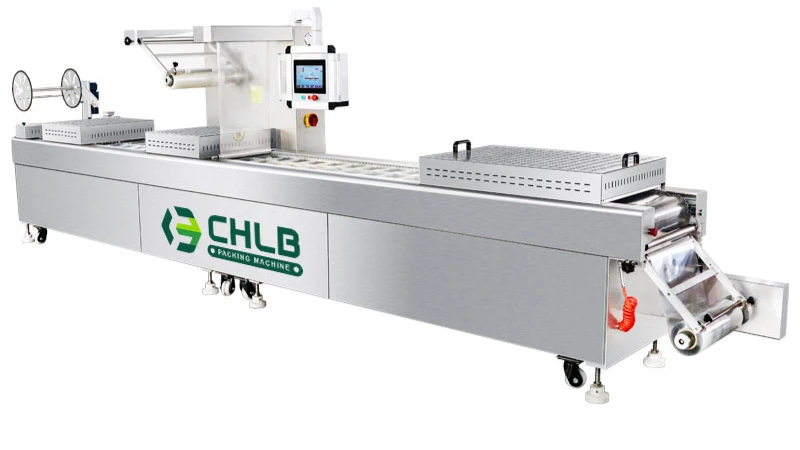
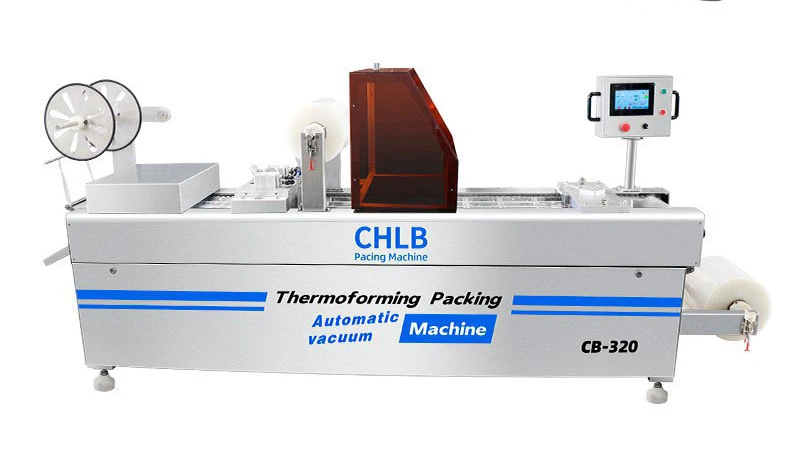
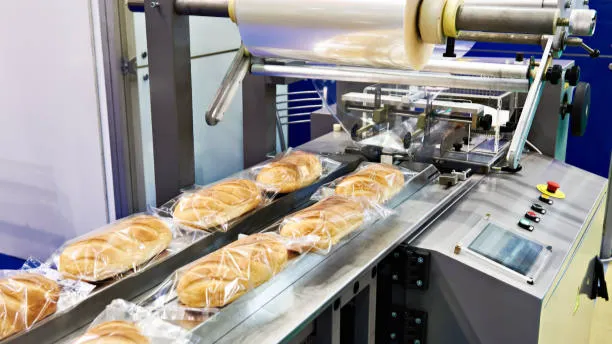
기계는 생산 라인에서 식품을 포장하고 있습니다.

Food manufacturers need different packaging solutions based on product type, production volume, hygiene requirements, and automation goals. The right system helps balance flexibility, 능률, and long-term production growth.

Food Production Requirement Recommended System Key Benefit
Small batches, frequent product changes Manual or Semi-Automatic Packaging System Flexible handling for diverse products and packaging formats
Growing demand with moderate production volume Semi-Automatic Packaging System Reduces labor while maintaining production flexibility
High-volume food production with stable SKUs Fully Automated Packaging Line Improves throughput, consistency, and packaging efficiency
Multiple food products requiring different processes Integrated Packaging Solution Combines different machines for complete production workflows

Beyond production volume, food manufacturers should consider product characteristics, food safety requirements, and future production plans before investing in packaging equipment.

  • 제품특성: Fresh meat and seafood, 베이커리 제품, 그리고 준비된 식사 may require different packaging formats and automation levels.
  • Hygiene Requirements: Food packaging systems must support clean operation, stable sealing, and consistent quality control.
  • Production Growth: A scalable packaging line allows manufacturers to increase capacity without replacing the entire system.

For many growing food manufacturers, a semi-automatic or integrated packaging solution provides a practical transition toward full automation. Companies can automate repetitive processes first and gradually expand their packaging capabilities as demand increases.

다음에 대해 자세히 알아볼 수 있습니다. How to Choose the Right Automated Food Packaging Systems 우리의 전용 기사에서.

최종 생각

Manual and automated packaging systems serve different production needs, and the right solution depends on your factory’s volume, product requirements, and long-term growth plans. Evaluating factors such as labor costs, scalability, 그리고 Total Cost of Ownership (TCO) helps manufacturers make more reliable investment decisions.

CHLB provides customized automated packaging solutions to help food manufacturers improve production efficiency and build scalable packaging systems. With experience in complete packaging line integration, CHLB supports businesses in developing practical solutions that match current operations and future expansion goals.

자주 묻는 질문

What is the difference between manual and automated packaging systems?

Manual and automated packaging systems differ mainly in who performs the work, overall speed, consistency, and cost structure. In manual systems, human operators perform most or all tasks, offering high flexibility but at a lower speed and with higher variable labor costs. Automated systems use machinery to perform these tasks with minimal human intervention, delivering high speed and consistency, which is ideal for high-volume, standardized production.

Is automated packaging better than manual packaging for food production?

For most food production with moderate to high volume, automated packaging is better due to lower per-unit costs, higher throughput, and superior consistency in areas like sealing and labeling, which is critical for food safety. Manual packaging remains the preferred choice for very low-volume, artisanal, or highly customized food products where flexibility outweighs the need for speed and scale.

When should a food factory switch from manual to automated packaging?

A food factory should switch when manual packaging becomes a bottleneck, typically indicated by production volumes exceeding 500,000 units per year, persistent struggles to meet demand, rising labor costs or shortages, and increasing rates of packaging errors. If overtime is consistently needed just to keep up with packaging, it is a strong signal that automation is required to scale efficiently.

Are automated packaging systems suitable for small food manufacturers?

예, automated systems, especially semi-automatic and modular options, are suitable for small food manufacturers that have reached certain growth thresholds. Automation becomes viable when production runs for more than 30 hours per week, packaging labor costs exceed $0.15–$0.20 per pack, or manual capacity begins to limit sales growth. Starting with automating the most significant bottleneck is a common and effective strategy.

How long does it take to get ROI from an automated packaging system?

The return on investment (ROI) for an automated packaging system is typically realized in 6 에게 24 개월, with 12 에게 24 months being the most common payback period. In high-volume operations where automation replaces significant manual labor, the ROI can be achieved in as little as 6 에게 12 개월. The main drivers for a quick return are direct labor savings, increased production capacity, and reduced material waste.

What factors should I consider before investing in packaging automation?

Key factors to consider include your current and projected production volumes, the variety of your product and packaging formats, and the potential ROI. You should also assess your facility’s physical space and utility connections, your team’s technical skill set for operation and maintenance, and the total cost of ownership beyond the initial machine price. 마지막으로, evaluate potential suppliers based on their technical support, 서비스, and experience with products similar to yours.

알렉스 림

Founder of CHLB With over 23 포장 기계 산업에서의 다년간의 경험, 식품 제조업체를 돕는다는 사명으로 CHLB Pack을 설립했습니다., 스낵 생산자, 빵집 & 제과 사업, 냉동 식품 회사, 애완동물 사료 및 일일 화학제품 생산업체는 포장 공정을 자동화합니다.. 나는 고성능을 제공하기 위해 최선을 다하고 있습니다, 풀 서보 자동 포장기, 플로우 랩 포함, VFFS, 완벽한 포장 라인. 이러한 솔루션은 글로벌 고객이 더 높은 효율성을 달성하는 데 도움이 됩니다., 더 큰 신뢰성, 상당한 비용 절감. 포장 솔루션에 대해 궁금한 점이 있으신가요?? 편하게 연락주세요. 귀하의 비즈니스에 딱 맞는 제품을 찾는 데 기꺼이 도움을 드리겠습니다..

연락하세요

인기 블로그

당신이 찾고 있는 것을 찾을 수 없는 것 같습니다.

무료 카탈로그 다운로드
무료 카탈로그 다운로드