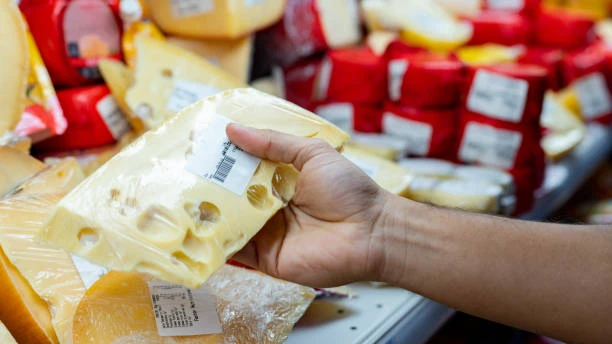
I produttori alimentari spesso devono far fronte a una durata di conservazione breve, deterioramento del prodotto, e opportunità di distribuzione limitate quando gli imballaggi tradizionali non possono controllare efficacemente l’esposizione all’ossigeno. Confezionamento in atmosfera modificata (MAPPA) fornisce un modo affidabile per sostituire l'aria ambiente con miscele di gas controllate, contribuendo a proteggere la qualità degli alimenti, ridurre gli sprechi, e prolungare la durata di conservazione durante lo stoccaggio e il trasporto.
Questa guida spiega come funziona il packaging MAP, dove viene applicato, e come valutare se i tuoi prodotti richiedono questa tecnologia. Fornisce inoltre spunti pratici per selezionare il giusto fornitore della linea MAP in base ai requisiti del prodotto, capacità produttiva, e prestazioni dell'imballaggio.
Che cos'è il confezionamento in atmosfera modificata (MAPPA)
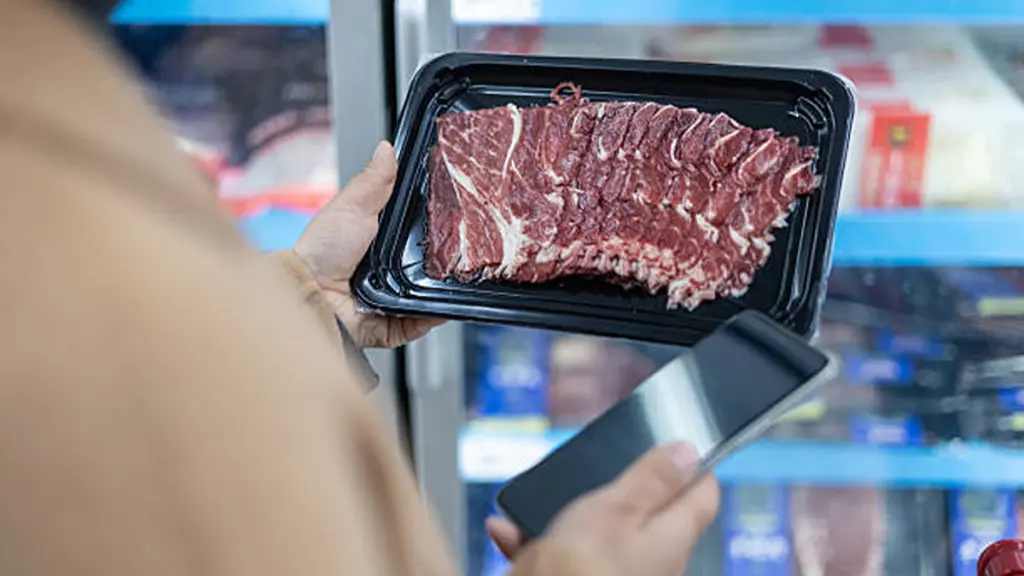
Confezionamento in atmosfera modificata (MAPPA) è una tecnologia di confezionamento alimentare che sostituisce l'aria all'interno di una confezione sigillata con una miscela di gas controllata per rallentare il deterioramento, prolungare la durata di conservazione, e mantenere la qualità del prodotto.
A differenza dei metodi di confezionamento tradizionali che si basano sulle normali condizioni atmosferiche, MAP crea un ambiente più adatto agli alimenti deperibili controllando l'atmosfera interna. Ciò aiuta a ridurre il deterioramento della qualità durante lo stoccaggio e il trasporto, supportando periodi di distribuzione più lunghi senza fare affidamento su conservanti chimici aggiuntivi.
MAP è ampiamente utilizzato per la carne fresca, frutti di mare, prodotti lattiero-caseari, articoli da forno, prodotti freschi, e piatti pronti dove mantenere la freschezza, aspetto, e la sicurezza è fondamentale.
Come funziona il processo MAP
Un processo di confezionamento MAP controlla l'atmosfera all'interno di una confezione sostituendo l'aria normale con una miscela di gas attentamente progettata. La combinazione di gas, materiale da imballaggio, e le prestazioni di tenuta lavorano insieme per mantenere la qualità del prodotto e prolungarne la durata.
La modificazione del gas controlla la qualità degli alimenti
Prodotti alimentari diversi richiedono condizioni atmosferiche diverse per rallentare il deterioramento e mantenere la freschezza. I produttori regolano la miscela di gas in base alle caratteristiche del prodotto, requisiti di archiviazione, e la durata di conservazione prevista.
| Componente del gas | Ruolo nel processo MAP | Applicazioni tipiche |
|---|---|---|
| Anidride carbonica (CO₂) | Aiuta a rallentare la crescita di batteri aerobici e muffe creando condizioni che riducono l'attività microbica. | Carne fresca, frutti di mare, formaggio, e prodotti da forno |
| Azoto (N₂) | Sostituisce l'ossigeno, riduce l'ossidazione, e mantiene il volume della confezione come gas di riempimento inerte. | Spuntini, caffè, verdure fresche, e cibi secchi |
| Ossigeno (O₂) | Mantiene i livelli di ossigeno controllati per i prodotti che richiedono ritenzione del colore o controllo della respirazione. | Carni rosse e prodotti freschi |
Il rapporto finale del gas varia in base alle caratteristiche del prodotto, condizioni di conservazione, e requisiti di distribuzione. Il giusto equilibrio aiuta a mantenere la freschezza garantendo al contempo prestazioni di confezionamento stabili.
Le attrezzature per l'imballaggio creano un'atmosfera modificata
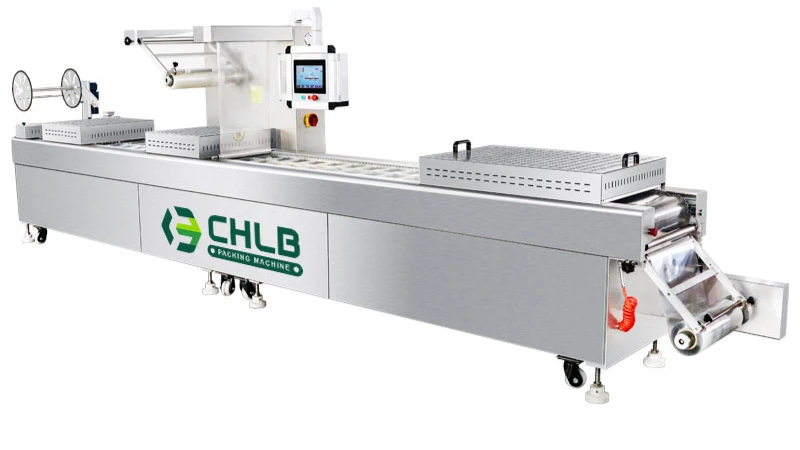
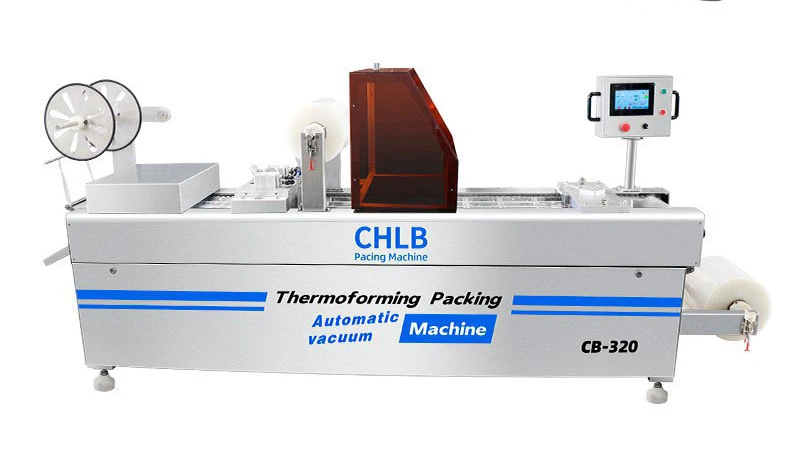
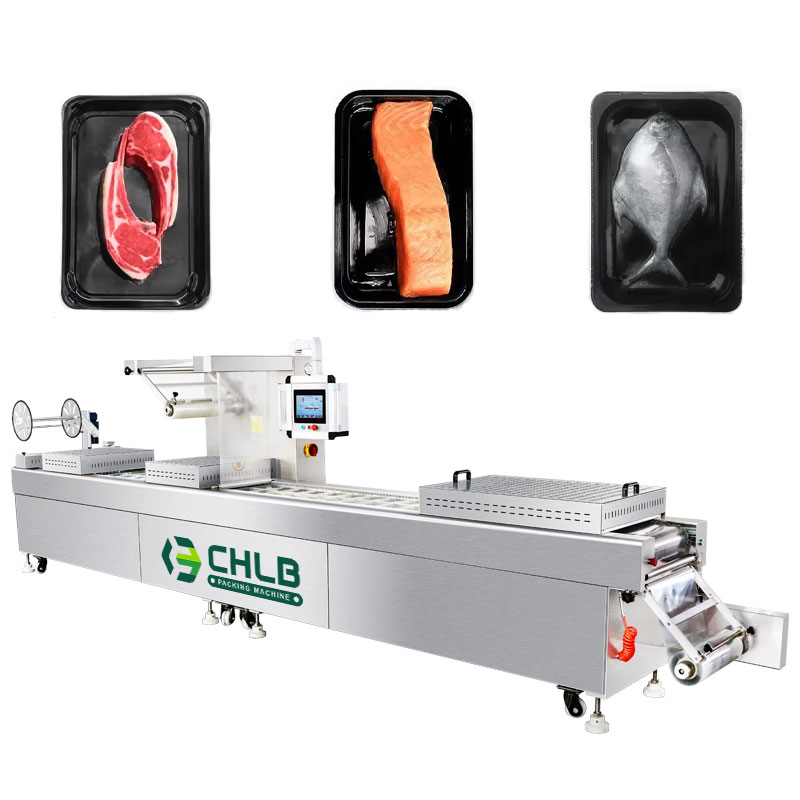
Nella produzione industriale, Linee di confezionamento MAP utilizzare attrezzature precise per rimuovere l'aria indesiderata, introdurre la miscela di gas richiesta, e mantenere un'atmosfera stabile all'interno di ciascun pacco.
Il processo principale include:
- Rimozione dell'aria e lavaggio del gas: IL macchina confezionatrice riduce l'aria esistente all'interno della confezione e la riempie con la miscela di gas selezionata.
- Protezione con pellicola barriera: I film da imballaggio ad alta barriera limitano lo scambio di gas e aiutano a preservare l'atmosfera modificata durante lo stoccaggio e il trasporto.
- Sigillatura ermetica: La macchina crea un sigillo sicuro per impedire l'ingresso di ossigeno esterno e contaminanti nella confezione.
- Supporto alla catena del freddo: Lo stoccaggio e il trasporto refrigerati mantengono la sicurezza del prodotto e massimizzano i vantaggi in termini di durata di conservazione ottenuti tramite MAP.
Per produttori alimentari con elevate esigenze di produzione, automatizzato Linee di confezionamento MAP integrare il controllo del gas, precisione di tenuta, ed efficienza produttiva per garantire prestazioni di confezionamento costanti in diverse categorie alimentari.
Prolunga la durata di conservazione con i sistemi MAP avanzati
Applicazioni comuni della MAP nell'industria alimentare
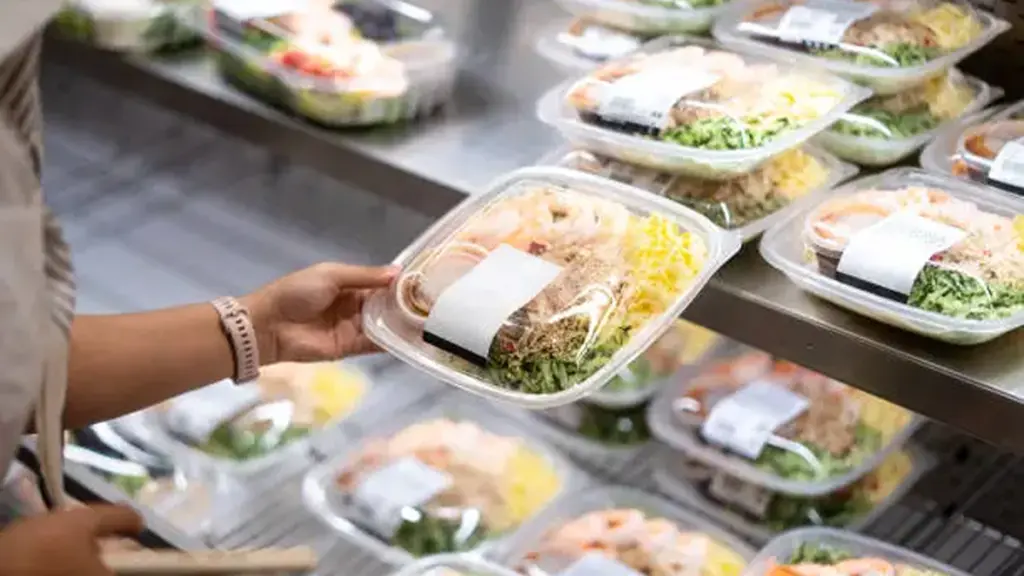
Confezione MAPPA è ampiamente utilizzato nelle industrie alimentari in cui la freschezza, durata di conservazione, e l’aspetto del prodotto influiscono direttamente sul valore di mercato. Diverse categorie di alimenti richiedono un controllo dell'atmosfera specifico in base alle loro caratteristiche biologiche e di conservazione.
Prodotti freschi, Carne, e applicazioni ittiche
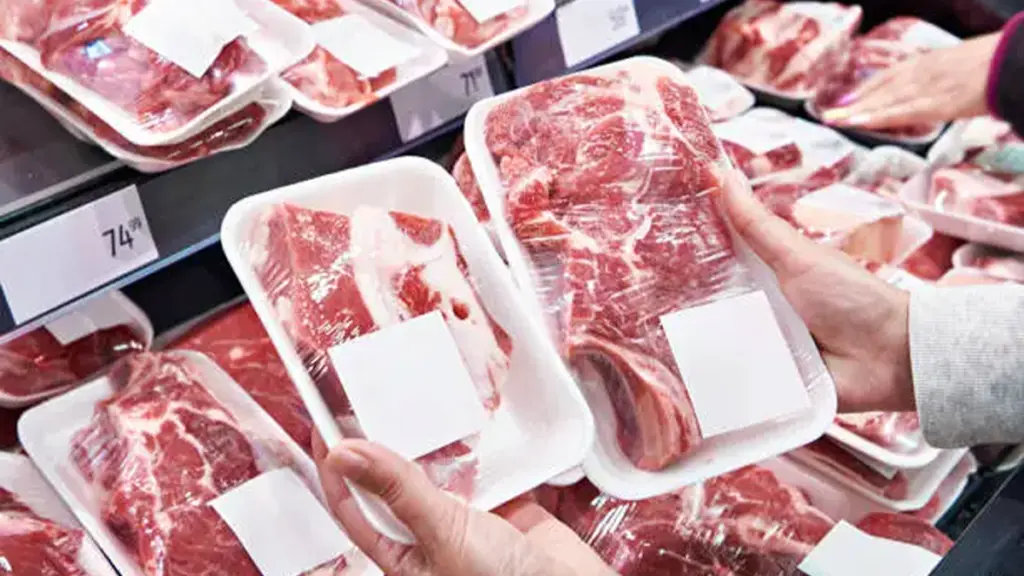
Alimenti altamente deperibili come i prodotti freschi, carne, e frutti di mare sono sensibili all'esposizione all'ossigeno, crescita microbica, e cambiamenti naturali della qualità. MAP aiuta i produttori a creare un ambiente di imballaggio controllato che rallenta il deterioramento supportando periodi di distribuzione più lunghi.
| Categoria alimentare | La sfida principale del confezionamento | Come aiuta la MAP |
|---|---|---|
| Prodotti freschi | Alti tassi di respirazione possono accelerare l’invecchiamento, perdita di umidità, e scolorimento dopo la raccolta. | Controlla i livelli di ossigeno e anidride carbonica per rallentare la respirazione e aiutare a mantenere la freschezza durante la conservazione. |
| Carne fresca e pollame | L'esposizione all'ossigeno può influire sulla stabilità del colore e aumentare la perdita di qualità durante la conservazione. | Utilizza miscele di gas controllate per mantenere l'aspetto e prolungare la durata di conservazione in condizioni refrigerate. |
| Frutti di mare | Il rapido deterioramento e i cambiamenti di consistenza possono ridurre la qualità del prodotto durante il trasporto. | Crea un'atmosfera protettiva che aiuta a preservare la freschezza e a supportare periodi di distribuzione più lunghi. |
Per questi prodotti, Le prestazioni del MAP non dipendono soltanto dalla composizione del gas. I produttori necessitano anche di materiali di imballaggio adeguati, tenuta affidabile, e un'adeguata gestione della catena del freddo per mantenere una qualità costante durante lo stoccaggio e il trasporto.
Prodotti da forno, Latticini, e cibi pronti
Gli alimenti trasformati spesso affrontano sfide diverse, compresa la crescita di muffe, ossidazione, e perdita di qualità durante lo stoccaggio. MAP aiuta questi prodotti a mantenere le loro caratteristiche originali, garantendo al contempo una maggiore durata di conservazione senza conservanti aggiuntivi.
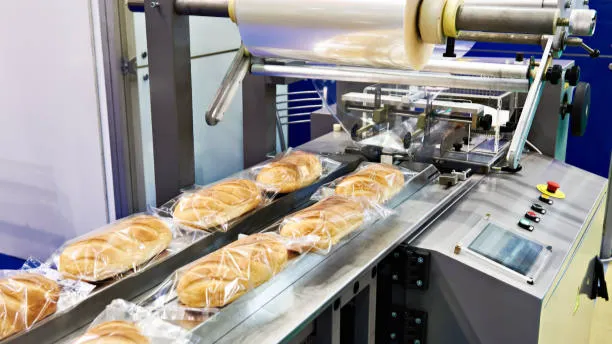
- Prodotti da forno: I livelli ridotti di ossigeno aiutano a rallentare lo sviluppo della muffa e a mantenere la consistenza, soprattutto per prodotti con un elevato contenuto di umidità o grassi.
- Prodotti lattiero-caseari: Le miscele controllate di anidride carbonica e azoto aiutano a ridurre i rischi di deterioramento e a mantenere la qualità sensoriale in prodotti come formaggio.
- Piatti pronti E pasta: MAP supporta periodi di conservazione più lunghi limitando l'ossidazione e l'attività microbica dopo la lavorazione e la sigillatura.
- Prodotti a base di caffè: Le atmosfere controllate aiutano a gestire il rilascio di anidride carbonica dopo la tostatura e riducono il rischio di espansione della confezione.
Per i produttori alimentari che producono diverse categorie di prodotti, selezionando quello giusto Linea di confezionamento MAP dipende dalle proprietà del prodotto, volume di produzione, e gli obiettivi di durata di conservazione richiesti.
Vantaggi e limiti dell'imballaggio MAP
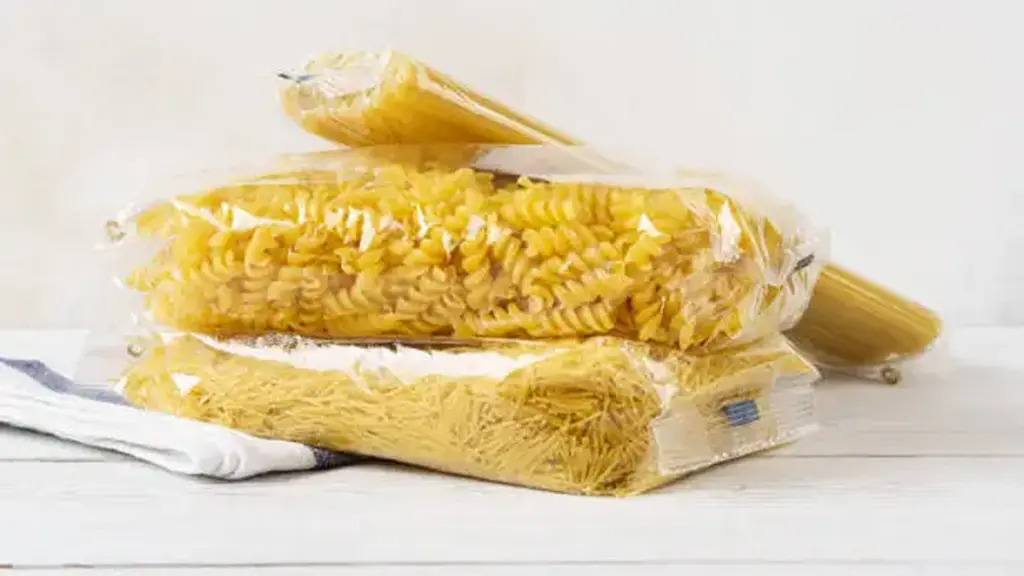
Confezione MAPPA fornisce ai produttori alimentari una soluzione pratica per prolungare la durata di conservazione, migliorare l’efficienza della distribuzione, e mantenere la qualità del prodotto. Tuttavia, le aziende devono anche considerare gli investimenti in attrezzature, controllo del processo, e requisiti di sicurezza alimentare prima dell'implementazione.
Vantaggi principali del confezionamento in atmosfera modificata
MAP aiuta i produttori alimentari a superare le sfide comuni nelle moderne catene di approvvigionamento alimentare. Creando un ambiente di confezionamento più adatto, i produttori possono migliorare la stabilità del prodotto ed espandere le loro opportunità di distribuzione.
| Beneficio | Impatto aziendale |
|---|---|
| Durata di conservazione estesa | Aiuta a rallentare il deterioramento del prodotto e consente ai produttori di mantenere la qualità per periodi di stoccaggio e trasporto più lunghi. |
| Qualità del prodotto migliorata | Supporta una migliore conservazione della freschezza, aspetto, struttura, e la consistenza complessiva del prodotto. |
| Riduzione degli sprechi alimentari | Estende la vita utile dei prodotti deperibili e riduce le perdite lungo tutta la catena di fornitura. |
| Opportunità di distribuzione più ampie | Consente ai produttori alimentari di servire mercati a lunga distanza mantenendo la qualità del prodotto durante il trasporto. |
Limitazioni tecniche e di sicurezza
Sebbene MAP offra vantaggi significativi, la tecnologia richiede un controllo accurato durante tutto il processo di confezionamento. Scarse prestazioni dell'attrezzatura, materiali di imballaggio non idonei, o una manipolazione impropria può ridurre l’efficacia e creare rischi per la sicurezza alimentare.
- Investimenti in attrezzature: I sistemi MAP richiedono macchine confezionatrici specializzate, apparecchiature per il controllo del gas, e idonei film barriera, che può aumentare l’investimento iniziale rispetto ai metodi di imballaggio convenzionali.
- Requisiti di controllo del processo: I produttori necessitano di un controllo coerente dei livelli di gas, qualità di tenuta, e condizioni di conservazione per mantenere prestazioni di imballaggio stabili.
- Gestione della sicurezza alimentare: Gli ambienti a basso contenuto di ossigeno richiedono pratiche igieniche rigorose e un adeguato controllo della temperatura per prevenire la crescita di alcuni microrganismi dannosi.
- Dipendenza dalla catena del freddo: La MAP non può sostituire una corretta refrigerazione. Il mantenimento di condizioni di conservazione e trasporto adeguate rimane essenziale per la sicurezza del prodotto e le prestazioni di durata di conservazione.
Per le aziende che valutano l'adozione di MAP, valutare le caratteristiche del prodotto, volume di produzione, e le capacità operative aiutano a determinare se la tecnologia soddisfa i loro requisiti di imballaggio.
Come faccio a sapere se il mio prodotto alimentare necessita di MAP?
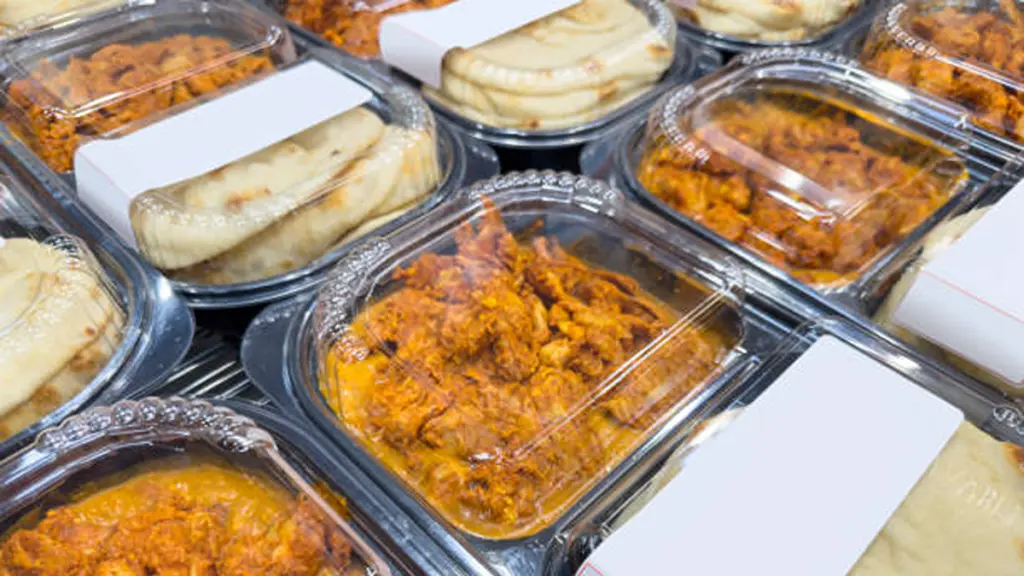
Confezione MAPPA diventa necessario quando gli imballaggi tradizionali non riescono a garantire una protezione sufficiente alla qualità del prodotto, durata di conservazione, o requisiti di distribuzione. Le aziende dovrebbero valutare le caratteristiche del prodotto e le sfide della catena di fornitura prima di investire nella tecnologia MAP.
Indica che il tuo prodotto necessita di un confezionamento in atmosfera modificata
Non tutti i prodotti alimentari richiedono MAP. Tuttavia, le aziende dovrebbero prendere in considerazione questa tecnologia in caso di perdita di qualità, breve durata di conservazione, o le limitazioni alla distribuzione influiscono sulle prestazioni aziendali.
| Sfida del prodotto | Situazione comune | Perché prendere in considerazione MAP |
|---|---|---|
| Breve durata di conservazione | I prodotti perdono rapidamente freschezza prima di raggiungere i clienti o i canali di vendita al dettaglio. | Aiuta ad estendere l'usabilità del prodotto e a migliorare la flessibilità della distribuzione. |
| Cambiamenti di qualità durante lo stoccaggio | Colore, struttura, gusto, o cambiamenti di aspetto riducono il valore del prodotto. | Fornisce un ambiente di imballaggio controllato per mantenere la consistenza del prodotto. |
| Distribuzione a lunga distanza | I prodotti richiedono un trasporto più lungo o periodi di scaffale più estesi al dettaglio. | Supporta una portata di mercato più ampia migliorando le prestazioni di durata di conservazione. |
| Costo di deterioramento elevato | Spreco alimentare, reclami dei clienti, o i prodotti rifiutati influiscono sulla redditività. | Riduce le perdite di qualità attraverso un migliore controllo dell'imballaggio. |
Metodi di test per confermare l'idoneità della MAP
Prima di installare a Linea di confezionamento MAP, i produttori dovrebbero verificare se i loro prodotti possono trarre vantaggio dalle condizioni di atmosfera modificata. I test aiutano a determinare i giusti materiali di imballaggio, impostazioni del gas, e requisiti di produzione.
- Test di durata di conservazione: Confronta gli imballaggi convenzionali con le soluzioni MAP nelle condizioni di stoccaggio e trasporto previste per misurare i miglioramenti effettivi.
- Analisi dei gas: Valutare le caratteristiche del prodotto e determinare le condizioni atmosferiche adeguate in base a fattori quali la frequenza respiratoria e la sensibilità all'ossigeno.
- Test sui materiali di imballaggio: Abbina le proprietà barriera della pellicola ai requisiti del prodotto per prevenire la perdita di gas e mantenere la stabilità della confezione.
- Esecuzioni di prova di produzione: Testare il processo di imballaggio selezionato su apparecchiature reali per confermare la qualità della sigillatura, efficienza, e coerenza prima della produzione su vasta scala.
Un adeguato processo di valutazione consente ai produttori di evitare investimenti inutili e di sviluppare una soluzione MAP che soddisfi i requisiti del prodotto e gli obiettivi di produzione.
Puoi saperne di più su MAP vs confezionamento sottovuoto nel nostro articolo dedicato.
Come scegliere il fornitore della linea MAP adatto?
Un affidabile Fornitore della linea MAP aiuta i produttori alimentari a ottenere prestazioni di imballaggio stabili, produzione efficiente, e valore operativo a lungo termine. I fattori chiave includono la capacità delle apparecchiature, esperienza di personalizzazione, e supporto tecnico.
Valutare la capacità dell'apparecchiatura e la compatibilità del sistema
Un fornitore professionale dovrebbe consigliare soluzioni MAP in base al tipo di prodotto, formato di imballaggio, e requisiti di produzione. La giusta configurazione del sistema garantisce un controllo costante del gas, qualità di tenuta, ed efficienza produttiva.
| Fattore di valutazione | Considerazione chiave |
|---|---|
| Compatibilità dell'attrezzatura | Il fornitore dovrebbe fornire macchine MAP adeguate in base alle caratteristiche del prodotto, formato di imballaggio, e capacità produttiva. |
| Capacità di automazione | Il sistema dovrebbe corrispondere al volume di produzione, dalle apparecchiature semiautomatiche alle linee di confezionamento completamente integrate. |
| Prestazioni dell'imballaggio | Flusso di gas stabile, tenuta affidabile, e un controllo accurato aiutano a mantenere risultati MAP coerenti. |
| Integrazione del sistema | Le soluzioni complete dovrebbero collegare il riempimento, sigillatura, ispezione, e altri processi di imballaggio quando richiesto. |
La giusta soluzione MAP dovrebbe soddisfare i requisiti del tuo prodotto, capacità produttiva, e futuri piani di espansione piuttosto che fare affidamento su configurazioni di apparecchiature standard.
Controlla l'esperienza nel settore e il supporto tecnico
I requisiti MAP variano a seconda delle categorie di alimenti, quindi l'esperienza del fornitore gioca un ruolo importante nel raggiungimento di risultati di confezionamento affidabili. I produttori dovrebbero collaborare con partner che comprendano le caratteristiche del prodotto, sfide del confezionamento, e le condizioni di produzione.
- Esperienza nel settore: Fornitori con esperienza nella carne, frutti di mare, forno, latticini, e le applicazioni per piatti pronti possono fornire raccomandazioni più pratiche.
- Capacità di personalizzazione: Un fornitore qualificato dovrebbe modificare la configurazione della macchina, formati di confezionamento, e livelli di automazione in base alle specifiche esigenze.
- Supporto post-vendita: Guida all'installazione, formazione degli operatori, servizio di manutenzione, e il supporto per i pezzi di ricambio aiutano a ridurre i tempi di inattività dopo la consegna delle apparecchiature.
Un adatto Fornitore della linea MAP fornisce più che singole macchine. Il partner ideale fornisce una soluzione di imballaggio completa che supporta l'efficienza produttiva, futura espansione, e stabilità operativa a lungo termine.
Considerazioni finali
Estendere la durata di conservazione e mantenere la qualità del prodotto rimangono sfide fondamentali per i moderni produttori alimentari. Confezionamento in atmosfera modificata (MAPPA) fornisce una soluzione efficace migliorando la protezione del prodotto, riducendo lo spreco alimentare, e supportare cicli di distribuzione più lunghi quando il sistema è progettato correttamente.
Una linea di confezionamento MAP affidabile richiede un controllo accurato del gas, formati di confezionamento adeguati, e configurazioni di apparecchiature che soddisfano specifiche esigenze di produzione. CHLB fornisce soluzioni di confezionamento alimentare chiavi in mano, aiutare i produttori a costruire linee di confezionamento MAP efficienti con apparecchiature integrate, supporto tecnico, e progetti di sistemi personalizzati per stabili, prestazioni di produzione a lungo termine.
Qual è la differenza tra MAP e confezionamento sottovuoto?
MAP sostituisce l'aria all'interno di un pacco con una miscela di gas controllata, mentre il confezionamento sottovuoto rimuove la maggior parte dell'aria prima della sigillatura. MAP è adatto per prodotti che necessitano di protezione estetica, conservazione della consistenza, ed estensione della durata di conservazione attraverso il controllo dell'atmosfera, mentre l'imballaggio sottovuoto è comunemente utilizzato per prodotti che possono tollerare la compressione e condizioni di ossigeno ridotto.
Per quanto tempo MAP può prolungare la durata di conservazione degli alimenti??
L'estensione della durata di conservazione ottenuta dal MAP dipende dal tipo di alimento, miscela di gas, materiali di imballaggio, temperatura di conservazione, e condizioni igieniche. In molte applicazioni, Il MAP può estendere significativamente la freschezza rispetto al confezionamento tradizionale, ma i produttori dovrebbero condurre test sulla durata di conservazione per confermare le prestazioni effettive di ciascun prodotto.
L'imballaggio MAP è adatto per prodotti alimentari surgelati?
Il MAP viene utilizzato principalmente per prodotti alimentari refrigerati e freschi piuttosto che per prodotti congelati. Le applicazioni per alimenti surgelati di solito si concentrano maggiormente sulla protezione dall'umidità, prevenzione delle ustioni da congelatore, e prestazioni di imballaggio ad alta barriera. Il metodo di confezionamento più adatto dipende dalle caratteristiche del prodotto e dalle esigenze di conservazione.
Quali fattori influenzano le prestazioni di una linea di confezionamento MAP?
Le prestazioni di una linea di confezionamento MAP dipendono da fattori quali la precisione della miscelazione del gas, qualità di tenuta, proprietà del film da imballaggio, configurazione della macchina, e le condizioni di produzione. Un sistema adeguatamente integrato aiuta i produttori a mantenere risultati di confezionamento coerenti e a migliorare l’affidabilità operativa.
Quali tipi di macchine confezionatrici MAP sono disponibili per i produttori alimentari?
I produttori alimentari possono utilizzare diverse macchine confezionatrici MAP in base alle esigenze di produzione, comprese le macchine per sigillare vassoi, macchine confezionatrici per termoformatura, sistemi form-fill-seal, e linee di confezionamento automatizzate. L'attrezzatura adatta dipende dal formato della confezione, capacità produttiva, livello di automazione, e future esigenze di espansione.