>

What is Modified Atmosphere Packaging (지도)? Complete 2026 Guide

What is Modified Atmosphere Packaging (지도)? Complete 2026 Guide

공유하다:

목차

Food manufacturers often face short shelf life, product spoilage, and limited distribution opportunities when traditional packaging cannot effectively control oxygen exposure. 수정된 분위기 포장 (지도) provides a reliable way to replace ambient air with controlled gas mixtures, helping protect food quality, 낭비를 줄이다, and extend shelf life during storage and transportation.

This guide explains how MAP packaging works, where it is applied, and how to evaluate whether your products require this technology. It also provides practical insights into selecting the right MAP line supplier based on product requirements, 생산 능력, and packaging performance.

What Is Modified Atmosphere Packaging (지도)

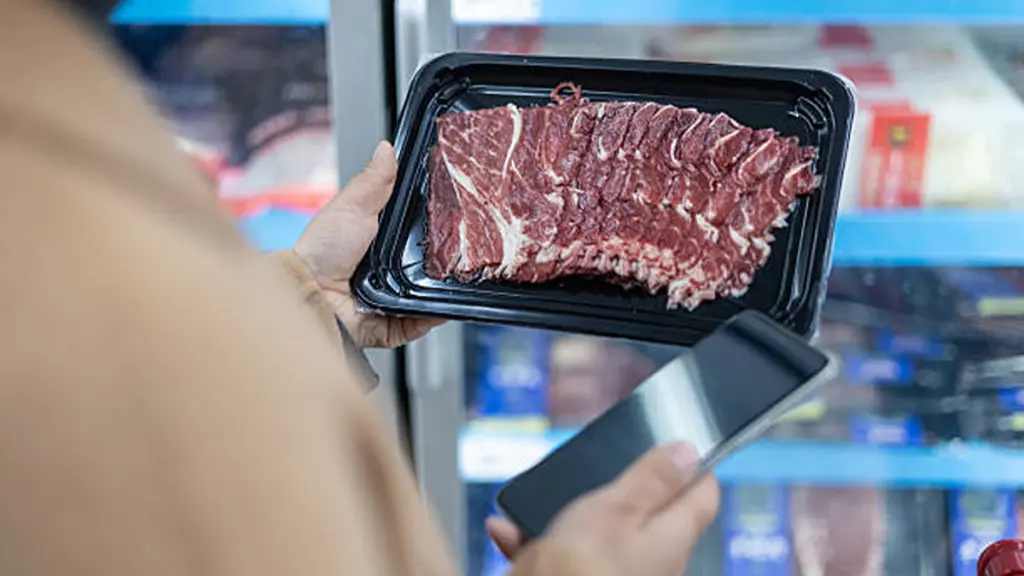
woman selects frozen food from the refrigerated display case in a supermarket

수정된 분위기 포장 (지도) is a food packaging technology that replaces the air inside a sealed package with a controlled gas mixture to help slow spoilage, 유통 기한 연장, and maintain product quality.

Unlike traditional packaging methods that rely on normal atmospheric conditions, MAP creates a more suitable environment for perishable foods by controlling the internal atmosphere. This helps reduce quality deterioration during storage and transportation while supporting longer distribution periods without relying on additional chemical preservatives.

MAP is widely used for fresh meat, 해산물, dairy products, 베이커리 품목, 신선한 농산물, and ready-to-eat meals where maintaining freshness, appearance, and safety is critical.

How the MAP Process Works

A MAP packaging process controls the atmosphere inside a package by replacing normal air with a carefully designed gas mixture. The gas combination, 포장재, and sealing performance work together to maintain product quality and extend shelf life.

Gas Modification Controls Food Quality

Different food products require different atmospheric conditions to slow spoilage and maintain freshness. Manufacturers adjust the gas mixture according to product characteristics, storage requirements, and expected shelf life.

Gas Component Role in MAP Process Typical Applications
Carbon Dioxide (CO₂) Helps slow aerobic bacteria and mold growth by creating conditions that reduce microbial activity. Fresh meat, 해산물, cheese, and bakery products
Nitrogen (N₂) Replaces oxygen, reduces oxidation, and maintains package volume as an inert filling gas. Snacks, 커피, fresh vegetables, 그리고 건조식품
Oxygen (O₂) Maintains controlled oxygen levels for products requiring color retention or respiration control. Red meat and fresh produce

The final gas ratio varies based on product characteristics, storage conditions, and distribution requirements. The right balance helps maintain freshness while ensuring stable packaging performance.

Packaging Equipment Creates the Modified Atmosphere

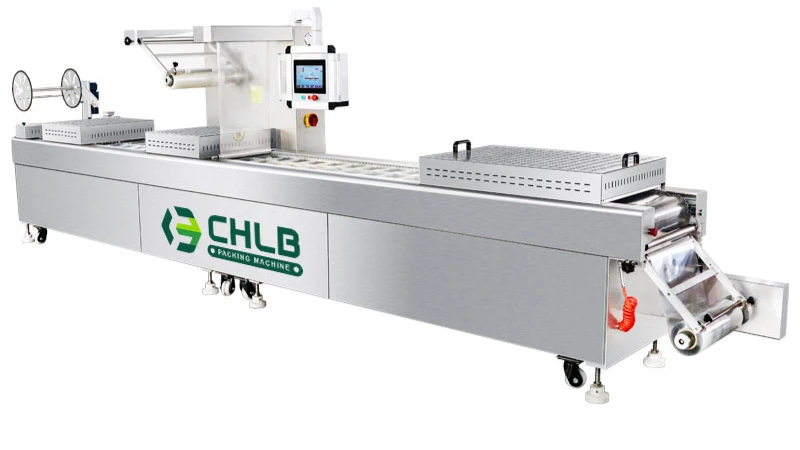
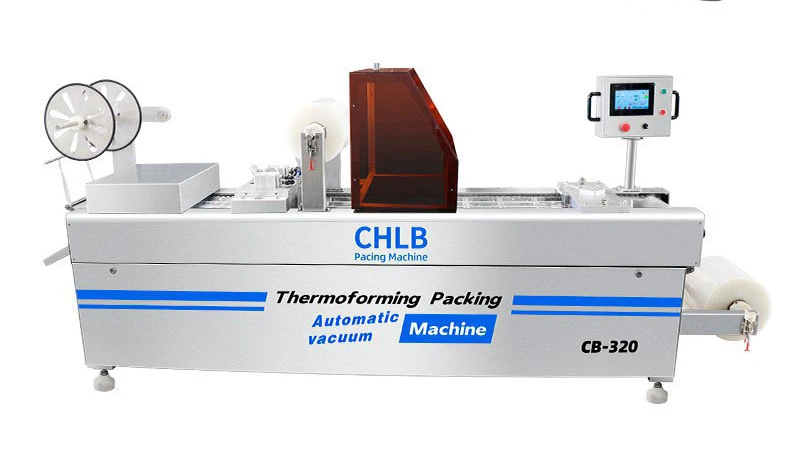
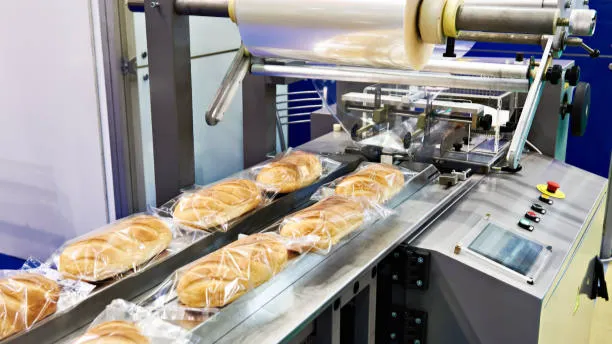
In industrial production, MAP packaging lines use precise equipment to remove unwanted air, introduce the required gas mixture, and maintain a stable atmosphere inside each package.

The main process includes:

  • Air Removal and Gas Flushing: 그만큼 packaging machine reduces existing air inside the package and fills it with the selected gas mixture.
  • Barrier Film Protection: High-barrier packaging films limit gas exchange and help preserve the modified atmosphere during storage and transportation.
  • Airtight Sealing: The machine creates a secure seal to prevent external oxygen and contaminants from entering the package.
  • Cold Chain Support: Refrigerated storage and transportation maintain product safety and maximize the shelf-life benefits achieved through MAP.

For food manufacturers with high production requirements, automated MAP packaging lines integrate gas control, sealing accuracy, and production efficiency to deliver consistent packaging performance across different food categories.

Extend Shelf Life with Advanced MAP Systems

Reduce food waste and improve production efficiency with precision gas-flushing MAP technology. CHLB provides hygienic and reliable MAP packaging systems designed to protect product quality, 유통 기한 연장, and support modern food production requirements.

Explore MAP Packaging Solutions →

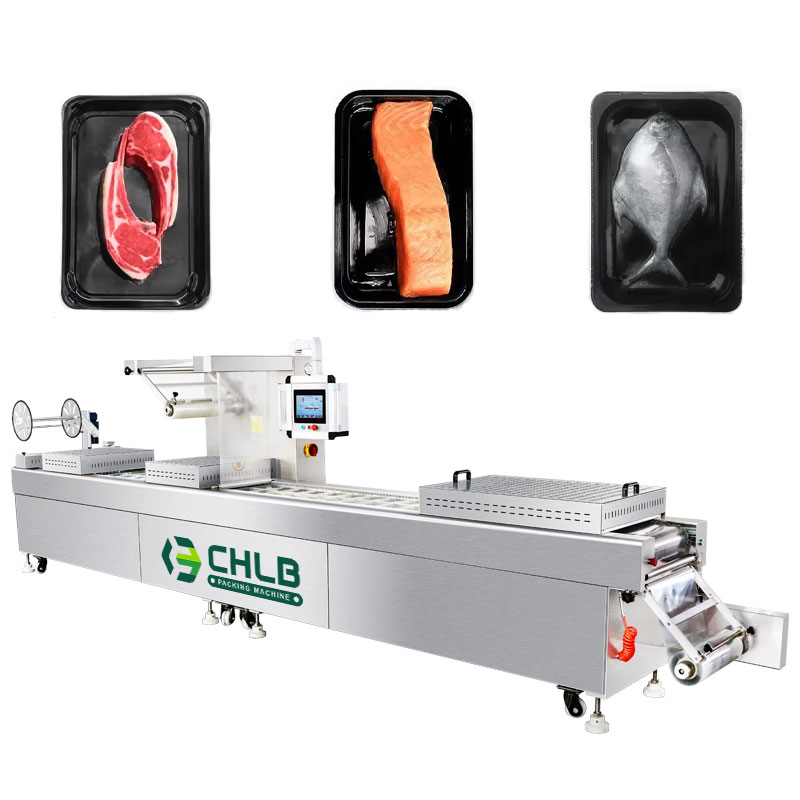
MAP Packaging System

Common Applications of MAP in Food Industry

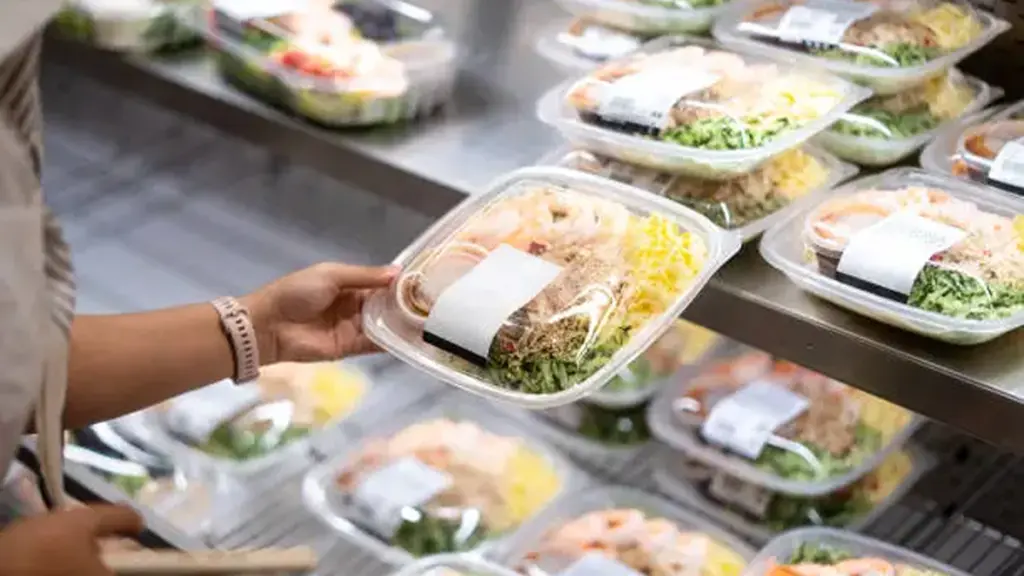
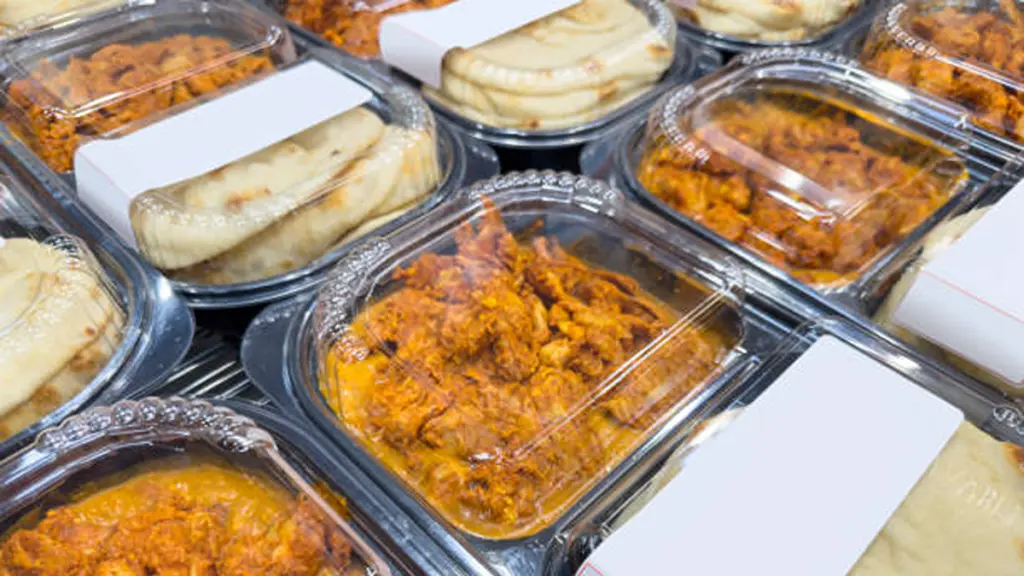
choice Ready-to-Eat Foods in supermarket

MAP 포장 is widely used across food industries where freshness, 유통기한, and product appearance directly affect market value. Different food categories require specific atmosphere control based on their biological and storage characteristics.

Fresh Produce, 고기, and Seafood Applications

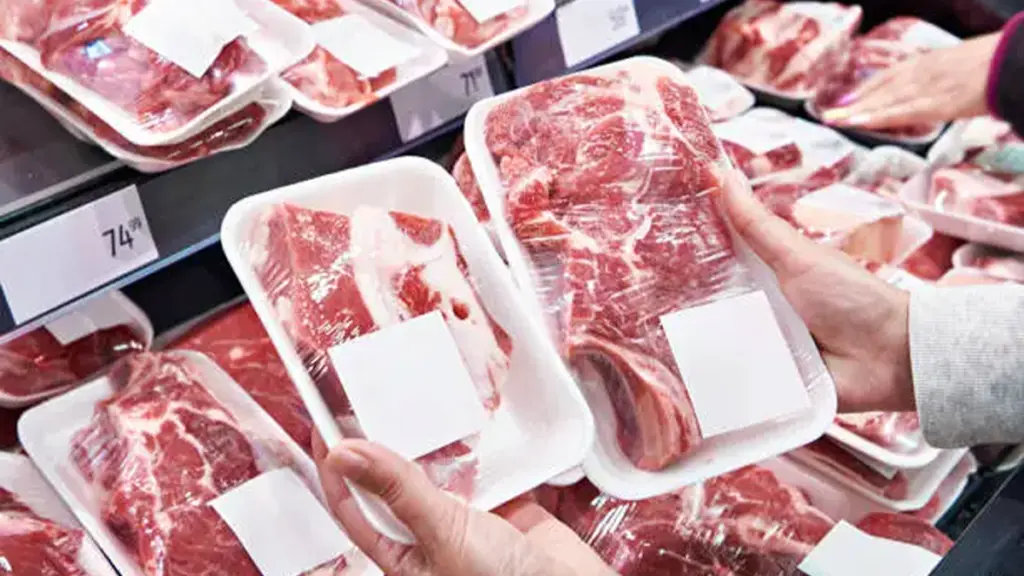
Highly perishable foods such as fresh produce, 고기, and seafood are sensitive to oxygen exposure, microbial growth, and natural quality changes. MAP helps manufacturers create a controlled package environment that slows deterioration while supporting longer distribution periods.

Food Category Main Packaging Challenge How MAP Helps
Fresh Produce High respiration rates can accelerate aging, moisture loss, and discoloration after harvesting. Controls oxygen and carbon dioxide levels to slow respiration and help maintain freshness during storage.
Fresh Meat and Poultry Oxygen exposure can affect color stability and increase quality loss during storage. Uses controlled gas mixtures to maintain appearance and extend shelf life under refrigerated conditions.
해산물 Rapid spoilage and texture changes can reduce product quality during transportation. Creates a protective atmosphere that helps preserve freshness and support longer distribution periods.

For these products, MAP performance depends on more than gas composition alone. Manufacturers also need suitable packaging materials, reliable sealing, and proper cold chain management to maintain consistent quality throughout storage and transportation.

Bakery Products, Dairy, and Ready-to-Eat Foods

Processed foods often face different challenges, including mold growth, 산화, and quality loss during storage. MAP helps these products maintain their original characteristics while supporting longer shelf life without additional preservatives.

  • Bakery products: Reduced oxygen levels help slow mold development and maintain texture, especially for products with higher moisture or fat content.
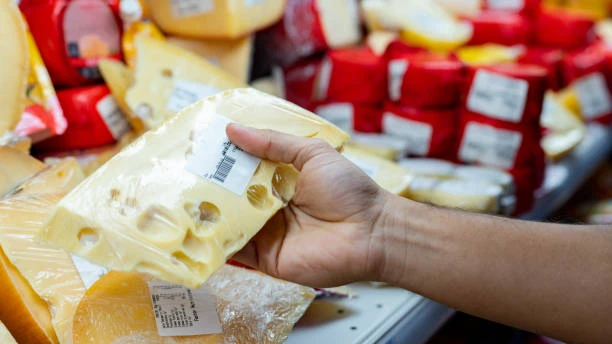
  • Dairy products: Controlled carbon dioxide and nitrogen mixtures help reduce spoilage risks and maintain sensory quality in products such as cheese.
  • Ready meals 그리고 pasta: MAP supports longer storage periods by limiting oxidation and microbial activity after processing and sealing.
  • Coffee products: Controlled atmospheres help manage carbon dioxide release after roasting and reduce the risk of package expansion.

For food manufacturers producing different product categories, selecting the right MAP packaging line depends on product properties, production volume, and required shelf-life targets.

Benefits and Limitations of MAP Packaging

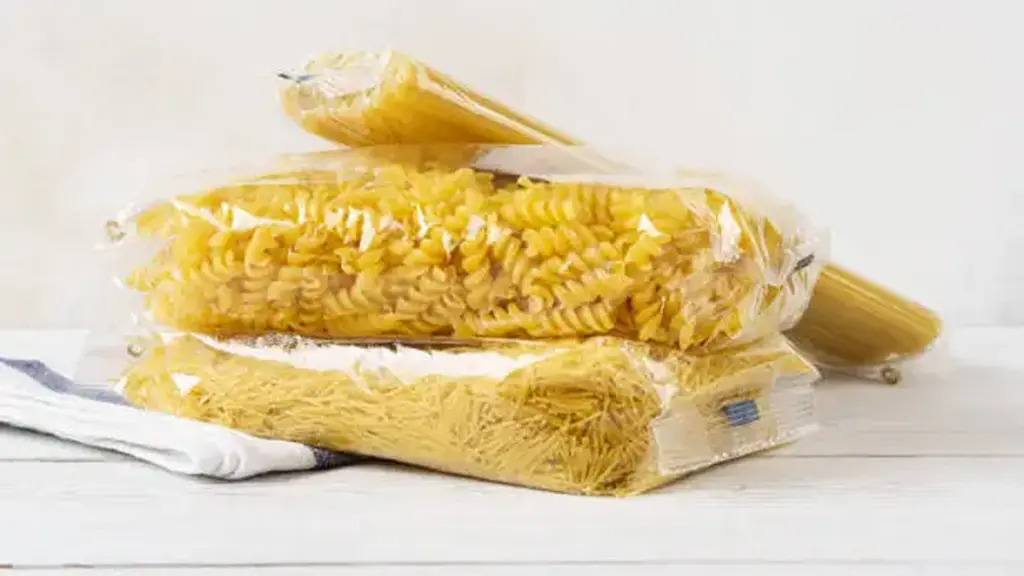
Various pasta in transparent plastic bags on a kitchen table

MAP 포장 provides food manufacturers with a practical solution to extend shelf life, improve distribution efficiency, and maintain product quality. 하지만, companies must also consider equipment investment, process control, and food safety requirements before implementation.

Primary Benefits of Modified Atmosphere Packaging

MAP helps food producers overcome common challenges in modern food supply chains. By creating a more suitable packaging environment, manufacturers can improve product stability and expand their distribution opportunities.

Benefit Business Impact
유통기한 연장 Helps slow product deterioration and allows manufacturers to maintain quality for longer storage and transportation periods.
Improved Product Quality Supports better preservation of freshness, appearance, 조직, and overall product consistency.
Reduced Food Waste Extends the usable life of perishable products and reduces losses throughout the supply chain.
Wider Distribution Opportunities Allows food producers to serve longer-distance markets while maintaining product quality during transportation.

Technical and Safety Limitations

Although MAP offers significant benefits, the technology requires accurate control throughout the packaging process. Poor equipment performance, unsuitable packaging materials, or improper handling can reduce effectiveness and create food safety risks.

  • Equipment Investment: MAP systems require specialized packaging machines, gas control equipment, and suitable barrier films, which may increase initial investment compared with conventional packaging methods.
  • Process Control Requirements: Manufacturers need consistent control of gas levels, sealing quality, and storage conditions to maintain stable packaging performance.
  • Food Safety Management: Low-oxygen environments require strict hygiene practices and proper temperature control to prevent the growth of certain harmful microorganisms.
  • Cold Chain Dependence: MAP cannot replace proper refrigeration. Maintaining suitable storage and transportation conditions remains essential for product safety and shelf-life performance.

For companies considering MAP adoption, evaluating product characteristics, production volume, and operational capabilities helps determine whether the technology fits their packaging requirements.

How do I know if my food product needs MAP?

Taco kits MAP packaging

MAP 포장 becomes necessary when traditional packaging cannot provide enough protection for product quality, 유통기한, or distribution requirements. Businesses should evaluate product characteristics and supply chain challenges before investing in MAP technology.

Signs Your Product Needs Modified Atmosphere Packaging

Not every food product requires MAP. 하지만, companies should consider this technology when quality loss, short shelf life, or distribution limitations affect business performance.

Product Challenge Common Situation Why Consider MAP
Short Shelf Life Products lose freshness quickly before reaching customers or retail channels. Helps extend product usability and improve distribution flexibility.
Quality Changes During Storage Color, 조직, flavor, or appearance changes reduce product value. Provides a controlled packaging environment to maintain product consistency.
Long-Distance Distribution Products require longer transportation or extended retail shelf periods. Supports wider market reach by improving shelf-life performance.
High Spoilage Cost Food waste, customer complaints, or rejected products impact profitability. Reduces quality losses through better packaging control.

Testing Methods to Confirm MAP Suitability

Before installing a MAP packaging line, manufacturers should validate whether their products can benefit from modified atmosphere conditions. Testing helps determine the right packaging materials, gas settings, and production requirements.

  • Shelf-Life Testing: Compare conventional packaging with MAP solutions under expected storage and transportation conditions to measure actual improvements.
  • Gas Analysis: Evaluate product characteristics and determine suitable atmosphere conditions based on factors such as respiration rate and oxygen sensitivity.
  • Packaging Material Testing: Match film barrier properties with product requirements to prevent gas loss and maintain package stability.
  • Production Trial Runs: Test the selected packaging process on actual equipment to confirm sealing quality, 능률, and consistency before full-scale production.

A proper evaluation process allows manufacturers to avoid unnecessary investment and develop a MAP solution that matches their product requirements and production goals.

다음에 대해 자세히 알아볼 수 있습니다. MAP 대 진공 포장 우리의 전용 기사에서.

How to Choose the Suitable MAP Line Supplier?

A reliable MAP line supplier helps food manufacturers achieve stable packaging performance, efficient production, and long-term operating value. Key factors include equipment capability, customization experience, 및 기술 지원.

Evaluate Equipment Capability and System Compatibility

A professional supplier should recommend MAP solutions based on your product type, 포장 형식, and production requirements. The right system configuration ensures consistent gas control, sealing quality, 생산 효율성.

Evaluation Factor Key Consideration
Equipment Compatibility The supplier should provide suitable MAP machines based on product characteristics, 포장 형식, 생산능력.
Automation Capability The system should match your production volume, from semi-automatic equipment to fully integrated packaging lines.
Packaging Performance Stable gas flushing, reliable sealing, and accurate control help maintain consistent MAP results.
System Integration Complete solutions should connect filling, 밀봉, 점검, and other packaging processes when required.

The right MAP solution should match your product requirements, 생산 능력, and future expansion plans rather than rely on standard equipment configurations.

Check Industry Experience and Technical Support

MAP requirements vary between food categories, so supplier experience plays an important role in achieving reliable packaging results. Manufacturers should work with partners who understand product characteristics, packaging challenges, and production conditions.

  • Industry Experience: Suppliers with experience in meat, 해산물, 빵집, 낙농, and ready-meal applications can provide more practical recommendations.
  • Customization Ability: A qualified supplier should adjust machine configuration, 포장 형식, and automation levels according to specific requirements.
  • After-Sales Support: Installation guidance, 운영자 교육, maintenance service, and spare parts support help reduce downtime after equipment delivery.

A suitable MAP line supplier provides more than individual machines. The ideal partner delivers a complete packaging solution that supports production efficiency, future expansion, and long-term operational stability.

최종 생각

Extending shelf life and maintaining product quality remain key challenges for modern food manufacturers. 수정된 분위기 포장 (지도) provides an effective solution by improving product protection, reducing food waste, and supporting longer distribution cycles when the system is properly designed.

A reliable MAP packaging line requires accurate gas control, suitable packaging formats, and equipment configurations that match specific production needs. CHLB provides 턴키 식품 포장 솔루션, helping manufacturers build efficient MAP packaging lines with integrated equipment, 기술 지원, and customized system designs for stable, long-term production performance.

What is the difference between MAP and vacuum packaging?

MAP replaces the air inside a package with a controlled gas mixture, while vacuum packaging removes most of the air before sealing. MAP is suitable for products that require appearance protection, texture preservation, and shelf-life extension through atmosphere control, while vacuum packaging is commonly used for products that can tolerate compression and reduced oxygen conditions.

How long can MAP extend food shelf life?

The shelf-life extension achieved by MAP depends on the food type, gas mixture, packaging materials, storage temperature, and hygiene conditions. In many applications, MAP can significantly extend freshness compared with traditional packaging, but manufacturers should conduct shelf-life testing to confirm the actual performance for each product.

Is MAP packaging suitable for frozen food products?

MAP is mainly used for chilled and fresh food products rather than frozen products. Frozen food applications usually focus more on moisture protection, freezer burn prevention, and high-barrier packaging performance. The most suitable packaging method depends on product characteristics and storage requirements.

What factors affect the performance of a MAP packaging line?

The performance of a MAP packaging line depends on factors such as gas mixing accuracy, sealing quality, packaging film properties, machine configuration, and production conditions. A properly integrated system helps manufacturers maintain consistent packaging results and improve operational reliability.

What types of MAP packaging machines are available for food manufacturers?

Food manufacturers can use different MAP packaging machines based on production requirements, including tray sealing machines, thermoforming packaging machines, form-fill-seal systems, and automated packaging lines. The suitable equipment depends on package format, 생산 능력, automation level, and future expansion needs.

알렉스 림

Founder of CHLB With over 23 포장 기계 산업에서의 다년간의 경험, 식품 제조업체를 돕는다는 사명으로 CHLB Pack을 설립했습니다., 스낵 생산자, 빵집 & 제과 사업, 냉동 식품 회사, 애완동물 사료 및 일일 화학제품 생산업체는 포장 공정을 자동화합니다.. 나는 고성능을 제공하기 위해 최선을 다하고 있습니다, 풀 서보 자동 포장기, 플로우 랩 포함, VFFS, 완벽한 포장 라인. 이러한 솔루션은 글로벌 고객이 더 높은 효율성을 달성하는 데 도움이 됩니다., 더 큰 신뢰성, 상당한 비용 절감. 포장 솔루션에 대해 궁금한 점이 있으신가요?? 편하게 연락주세요. 귀하의 비즈니스에 딱 맞는 제품을 찾는 데 기꺼이 도움을 드리겠습니다..

연락하세요

인기 블로그

당신이 찾고 있는 것을 찾을 수 없는 것 같습니다.

무료 카탈로그 다운로드
무료 카탈로그 다운로드