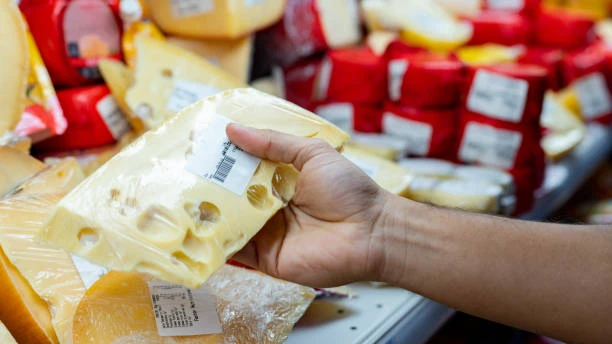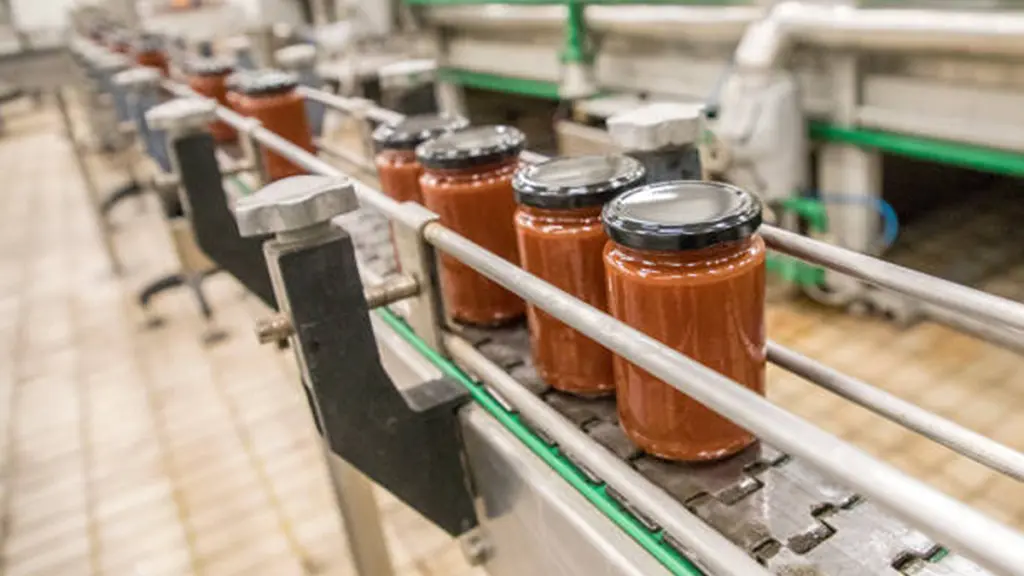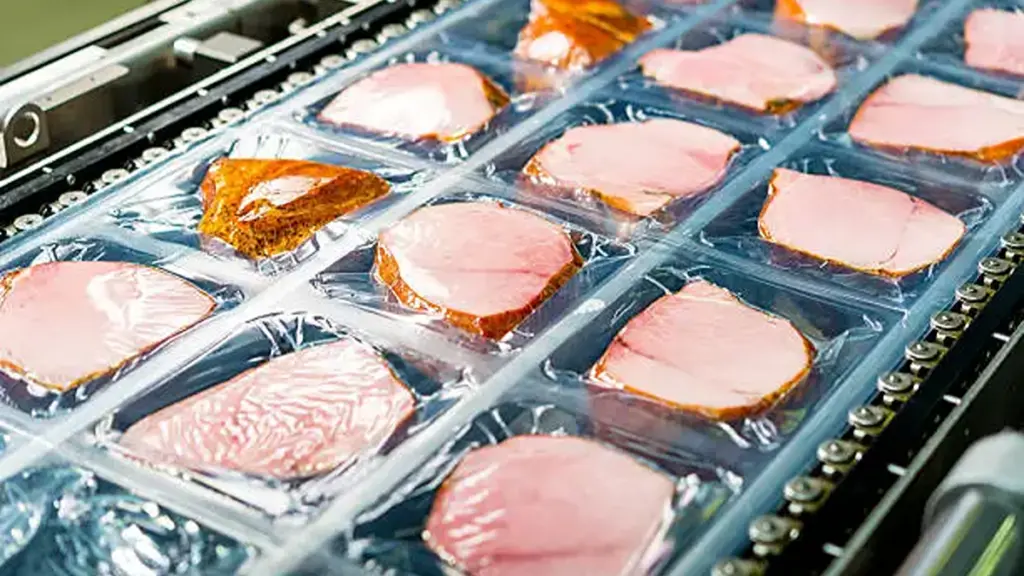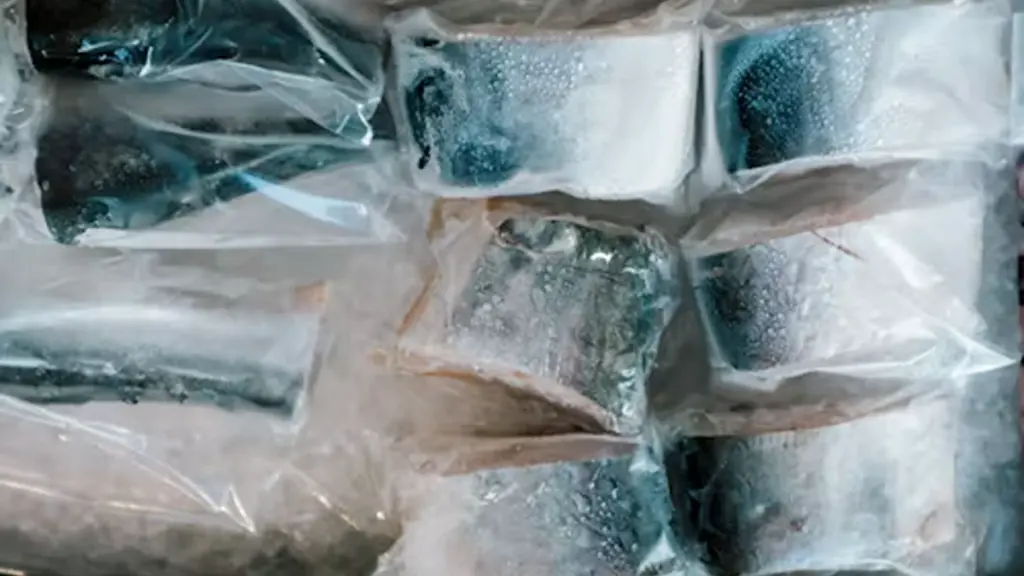
Poultry meat packaging plays a critical role in maintaining freshness, ensuring food safety, and improving production efficiency throughout the supply chain. For poultry processors and food manufacturers, the right packaging solution helps extend shelf life, reduce waste, and meet the requirements of retail, foodservice, and export markets.
From vacuum packaging and modified atmosphere packaging (MAP) to thermoforming and automated packaging systems, different poultry products require different solutions based on product type, storage conditions, and production capacity. Understanding these packaging options helps manufacturers make better decisions for quality control and long-term operational efficiency.
Why Poultry Meat Packaging Is Important for Food Manufacturers
Poultry meat packaging is essential for protecting product quality, ensuring food safety, and improving production efficiency. Due to its high moisture content and sensitivity to spoilage, poultry requires reliable packaging solutions to maintain freshness during storage and transportation.
The right packaging method helps manufacturers extend shelf life, reduce product waste, protect products from contamination and damage, and meet the requirements of retail, distribution, and export markets. It also improves packaging consistency by reducing variations caused by manual operations.
Solutions such as vacuum packaging and modified atmosphere packaging (MAP) help control oxygen exposure and maintain poultry quality. For large-scale processors, automated packaging systems further improve efficiency by reducing manual handling, increasing production capacity, and supporting more stable manufacturing processes.
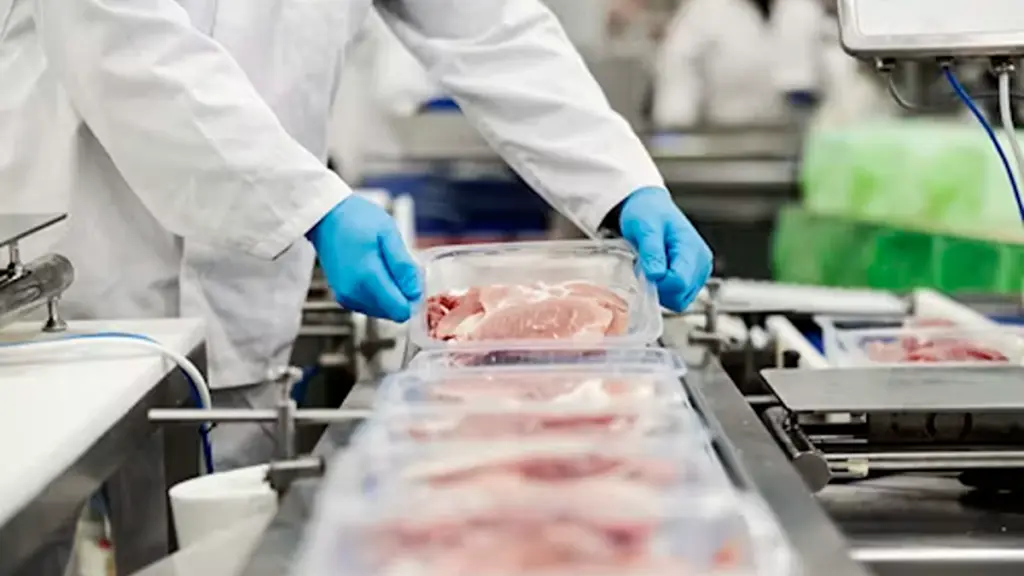
Common Types of Poultry Meat Packaging
Poultry manufacturers use different packaging solutions based on product type, shelf life requirements, and production scale. Common options include vacuum packaging, MAP, thermoforming, and tray sealing technologies.
Vacuum Packaging for Poultry Products
Vacuum packaging removes air from the package before sealing, helping reduce oxidation and maintain poultry quality during storage and transportation. It is widely used for chicken portions, frozen poultry, and processed poultry products.
Key advantages include:
- Extended shelf life: Helps slow down spoilage and maintain freshness.
- Product protection: Reduces leakage and improves handling safety.
- Flexible applications: Suitable for various fresh and frozen poultry products.
For large-scale processors, automated vacuum packaging systems improve consistency and reduce manual operations.
Modified Atmosphere Packaging (MAP) for Fresh Chicken
Modified Atmosphere Packaging (MAP) replaces the air inside the package with a controlled gas mixture to maintain freshness and product appearance. It is commonly used for fresh chicken products sold through retail channels.
MAP helps manufacturers achieve:
- Better presentation: Maintains an attractive appearance on shelves.
- Longer freshness: Supports extended refrigerated storage.
- Improved quality control: Creates a stable package environment.
When combined with tray sealing equipment and suitable barrier films, MAP provides reliable performance for high-volume poultry production.
Thermoforming Packaging for Large-Scale Poultry Production
Thermoforming packaging is designed for manufacturers requiring high efficiency and flexible packaging formats. The system forms the package, loads products, and completes vacuum sealing in one automated process.
It is commonly used for:
- Chicken portions
- Frozen poultry
- Marinated products
- Processed poultry
With higher automation levels and consistent output, thermoforming systems are suitable for large poultry processing facilities.
Tray Sealing Packaging for Retail Poultry Products
Tray sealing packaging is widely used for fresh poultry products in supermarkets and food retail markets. It seals products inside trays to improve protection, presentation, and shelf performance.
Common applications include:
- Fresh chicken cuts
- Portion-controlled products
- Ready-to-cook poultry
Combined with MAP technology, automated tray sealing systems help manufacturers improve packaging efficiency and product consistency.
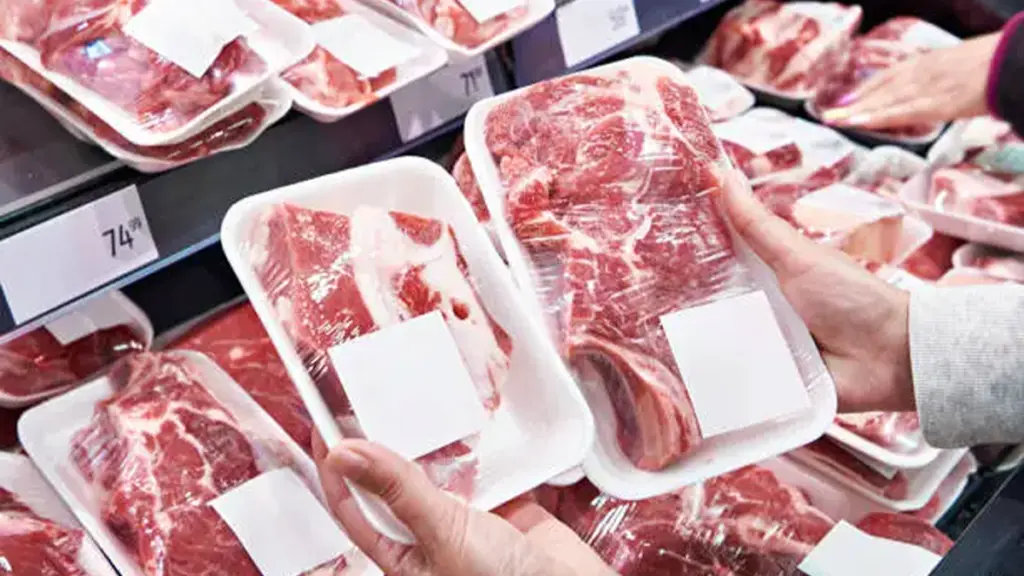
Advanced Poultry Packaging Solutions for Food Manufacturers
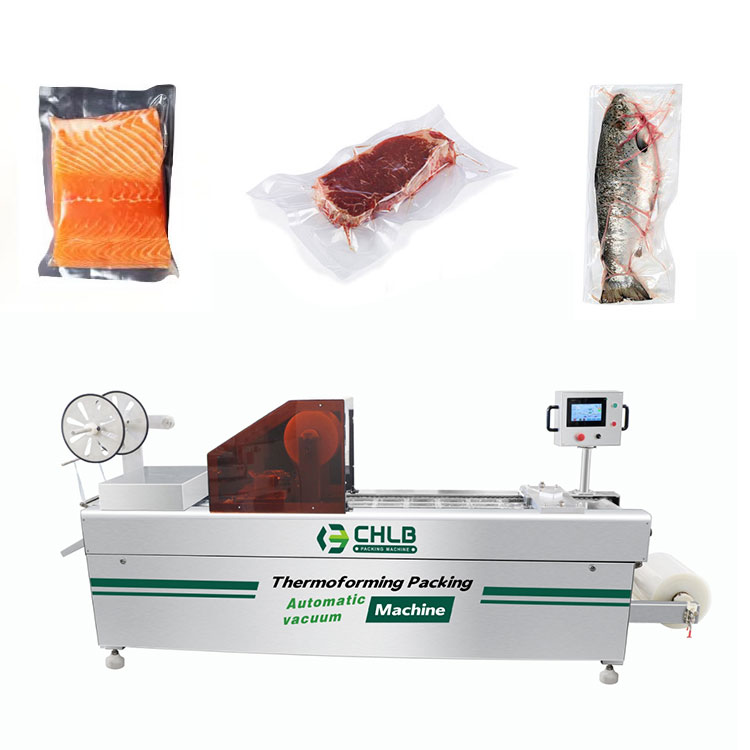
Poultry Meat Packaging Materials and Their Performance Impact
Packaging materials directly affect the protection, shelf life, and overall performance of poultry products. Manufacturers need to select materials based on factors such as product type, storage conditions, sealing requirements, and distribution needs.
Barrier Films for Poultry Packaging
Barrier films are widely used in poultry packaging because they help control oxygen and moisture transfer. These multi-layer films are designed to provide strong protection while maintaining sealing performance and package durability.
For vacuum packaging and MAP applications, high-barrier films help maintain the internal package environment and reduce quality loss during storage. The right film structure also improves resistance to punctures, leakage, and handling damage during transportation.
Important performance factors include:
- Oxygen barrier: Reduces oxidation and helps maintain product freshness.
- Moisture resistance: Prevents water loss and protects product quality.
- Seal strength: Ensures package integrity throughout the supply chain.
Trays and Rigid Packaging Materials
Trays and rigid packaging materials are commonly used for fresh poultry products, especially in retail packaging applications. They provide product support, improve shelf presentation, and work well with MAP and tray sealing systems.
Common materials include PET, PP, and other food-grade plastics selected according to product requirements. The material choice affects sealing compatibility, durability, recyclability, and overall packaging performance.
For poultry manufacturers, suitable trays should provide:
- Structural support: Keeps products stable during handling and transportation.
- Sealing compatibility: Ensures reliable performance with packaging equipment.
- Retail appearance: Improves product presentation for customers.
How Packaging Materials Affect Shelf Life and Food Safety
The performance of poultry packaging depends on the combination of materials, sealing technology, and storage conditions. A well-designed packaging structure helps maintain freshness, reduce contamination risks, and support longer distribution periods.
When selecting packaging materials, manufacturers should consider:
| Packaging Factor | Impact on Poultry Packaging |
|---|---|
| Oxygen Barrier | Helps slow oxidation and maintain product freshness |
| Moisture Control | Reduces weight loss and protects product texture |
| Seal Performance | Prevents leakage and reduces contamination risks |
| Material Durability | Improves protection during handling and transportation |
By choosing suitable packaging materials, poultry processors can improve product stability, reduce waste, and achieve more consistent results across different production and distribution environments.
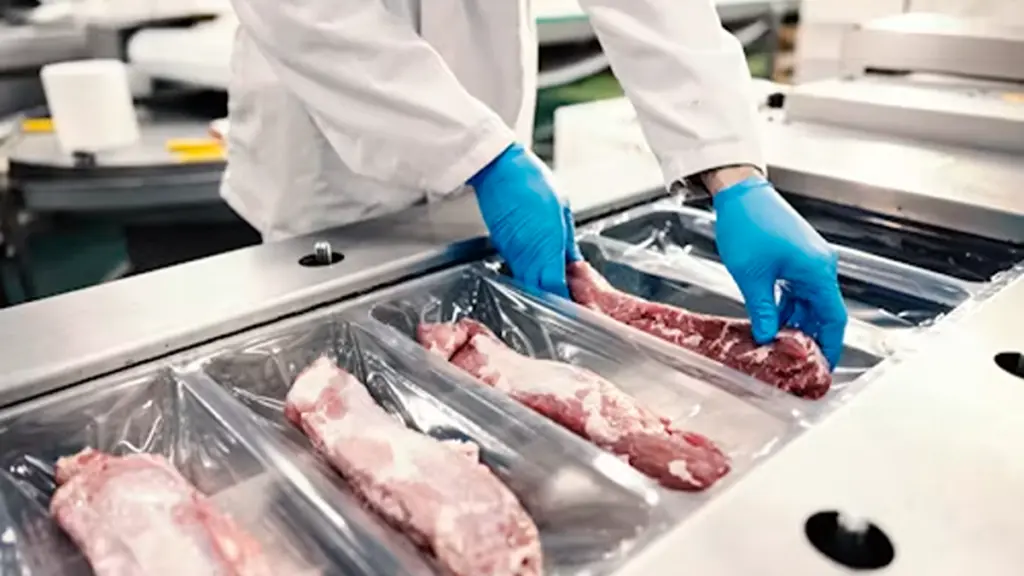
How to Choose the Right Poultry Meat Packaging Solution?
Selecting the right poultry meat packaging solution requires manufacturers to consider product requirements, production goals, and future business needs. A suitable packaging system should not only protect poultry products but also improve efficiency and support long-term production growth.
Consider Poultry Product Characteristics
Different poultry products require different packaging approaches. Factors such as product format, moisture content, storage temperature, distribution conditions, and expected shelf life directly influence the choice of packaging technology.
For example, fresh chicken products sold through retail channels may require MAP or tray sealing solutions to maintain appearance, while frozen poultry products often need vacuum packaging for stronger protection during storage and transportation.
Manufacturers should evaluate:
- Product type: Whole chicken, portions, processed poultry, and ready-to-cook products may require different packaging methods.
- Storage conditions: Fresh, chilled, and frozen products have different barrier, sealing, and temperature control requirements.
- Climate and transportation environment: Products shipped through hot climates or long-distance supply chains may require stronger barrier materials and more reliable sealing performance.
- Distribution distance: Export-oriented poultry products often need packaging solutions that support longer shelf life and more demanding logistics conditions.
- Market requirements: Retail, foodservice, and export markets may require different package formats, materials, and compliance standards.
Evaluate Production Capacity and Automation Requirements
Production volume is another important factor when choosing a poultry packaging solution. Small and medium processors may prioritize flexibility, while large-scale poultry manufacturers usually require automated systems with higher output capacity.
Modern packaging lines can integrate processes such as product loading, vacuum sealing, MAP sealing, inspection, and conveying. This helps manufacturers improve consistency, reduce manual labor, and maintain stable production performance.
When evaluating automation needs, manufacturers should consider:
| Consideration | Impact on Packaging Solution |
|---|---|
| Production Volume | Determines required packaging speed and equipment capacity |
| Product Variety | Affects packaging flexibility and product changeover requirements |
| Labor Availability | Influences the required level of automation and workforce efficiency |
| Future Expansion | Ensures the packaging system can support future production growth |
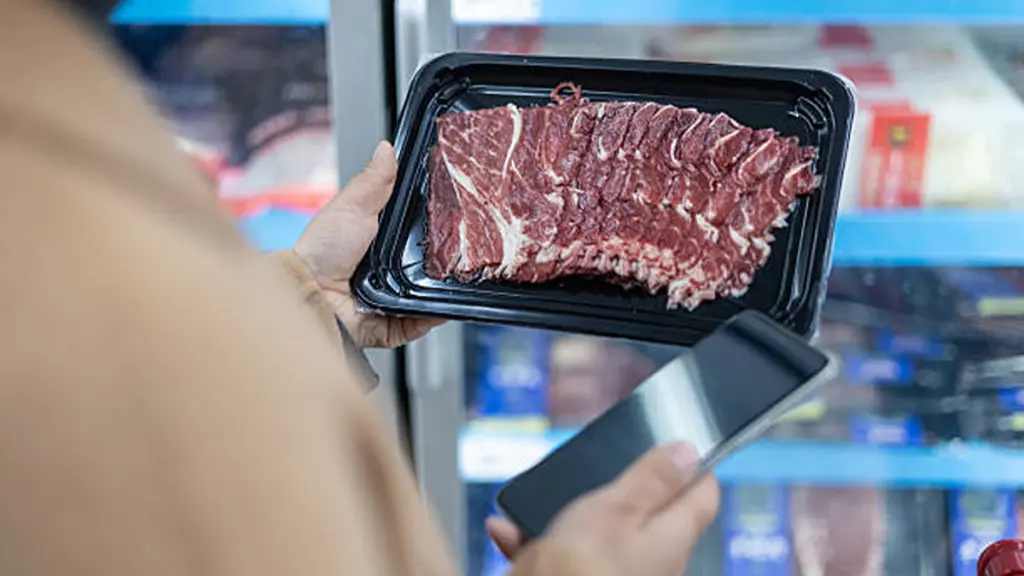
Poultry Packaging Automation Solutions for Food Manufacturers
Modern poultry manufacturers increasingly rely on automated packaging solutions to improve production efficiency, reduce labor requirements, and maintain consistent packaging quality. By integrating multiple processes into one system, automated lines help processors achieve higher output while meeting strict food safety and market requirements.
You may interested in: Manual vs Automated Packaging Systems: Which Is Better for Food Production?
Automated Vacuum Packaging Systems
Automated vacuum packaging systems provide an efficient solution for poultry processors handling high-volume production. These systems automatically complete processes such as product loading, air removal, sealing, and package output, reducing manual operations and improving consistency.
Compared with manual packaging methods, automated vacuum systems offer:
- Higher efficiency: Supports continuous production with stable packaging speed.
- Consistent quality: Ensures uniform sealing performance across products.
- Reduced labor dependency: Minimizes repetitive manual handling.
These systems are commonly used for chicken portions, frozen poultry, and processed poultry products where reliable protection and longer storage performance are required.
MAP Packaging Lines for Poultry Products
MAP packaging lines combine modified atmosphere packaging technology with automated tray sealing processes to provide better freshness control for retail poultry products.
A complete MAP line typically includes tray handling, product loading, gas flushing, sealing, and quality inspection. This integrated process helps manufacturers maintain stable package quality while improving production efficiency.
Key benefits include:
- Improved shelf presentation: Maintains product appearance for retail markets.
- Extended refrigerated shelf life: Helps preserve freshness during distribution.
- Stable production performance: Reduces variations caused by manual operations.
For poultry manufacturers supplying supermarkets and food retailers, automated MAP solutions provide an effective way to meet higher packaging standards.
We also explain this concept further in our article about What is Modified Atmosphere Packaging (MAP)? Complete Guide.
Integrated Turnkey Packaging Solutions
Large-scale poultry processors often require more than individual packaging machines. An integrated turnkey packaging solution connects different production stages into a complete workflow, from product handling to final packaging output.
A customized poultry packaging line may include:
- Automatic feeding systems
- Vacuum or MAP packaging equipment
- Conveying systems
- Inspection and quality control solutions
- Packaging management systems
By optimizing the entire packaging process, turnkey solutions help manufacturers improve production efficiency, reduce operational complexity, and prepare for future capacity expansion.
CHLB Group provides customized food packaging automation solutions for poultry and other food industries, helping manufacturers build efficient, reliable, and scalable packaging systems based on their production requirements.
Final Thoughts
Choosing the right poultry meat packaging solution is essential for manufacturers looking to improve product quality, production efficiency, and long-term competitiveness. From vacuum packaging and MAP to automated turnkey packaging lines, each solution offers different advantages based on product requirements and manufacturing goals.
As poultry production continues to move toward higher efficiency and automation, reliable packaging systems have become a key part of modern food processing. CHLB Group provides customized packaging automation solutions that help poultry manufacturers optimize operations, improve consistency, and build scalable production lines for future growth.
Frequently Asked Questions
What is the best packaging type for poultry products?
The best poultry packaging type depends on the product format, shelf life requirements, storage conditions, and distribution method. Vacuum packaging is commonly used for products requiring strong protection, while MAP and tray sealing solutions are suitable for fresh poultry products that need attractive retail presentation and extended freshness.
How does poultry packaging help extend shelf life?
Poultry packaging extends shelf life by controlling oxygen exposure, preventing contamination, and maintaining a stable package environment. Technologies such as vacuum packaging and modified atmosphere packaging (MAP) help reduce spoilage risks while preserving product quality during refrigerated storage and transportation.
What factors should poultry manufacturers consider before buying packaging equipment?
Manufacturers should evaluate product characteristics, production capacity, packaging format, labor requirements, and future expansion plans. The right system should match current output needs while providing enough flexibility for new products and increased production volumes.
Can poultry packaging systems be customized for different production lines?
Yes. Automated poultry packaging systems can be customized according to product size, packaging materials, output requirements, and factory layout. Customized solutions may include vacuum packaging, MAP packaging, tray sealing, conveying, and other integrated processes.
Why should poultry manufacturers invest in automated packaging solutions?
Automated packaging solutions help poultry manufacturers improve production consistency, reduce manual handling, and increase output capacity. By integrating processes such as sealing, inspection, and conveying, automated systems can improve efficiency and support long-term production growth.
How do automated meat packaging lines work?
Automated meat packaging lines process products through portioning, placement, vacuuming or gas flushing, sealing, and labeling. These systems use equipment like conveyors and specialized sealing machines in high-care hygienic zones. Strict protocols, including cleaning, temperature control, and separation of raw/ready-to-eat products, ensure food safety and operational efficiency.
SEO
Title: Meat Packaging Types: A Complete Guide for Food Manufacturers
Description: Meat Packaging Solutions: Optimize shelf life, reduce waste, and ensure compliance. Find high-capacity, certified options for B2B procurement.
URL: meat-packaging-solutions
Keywords: Meat Packaging Solutions