As embalagens de carne de aves desempenham um papel fundamental na manutenção do frescor, garantindo a segurança alimentar, e melhorar a eficiência da produção em toda a cadeia de abastecimento. Para processadores de aves e fabricantes de alimentos, a solução de embalagem certa ajuda a prolongar a vida útil, reduzir o desperdício, e atender aos requisitos do varejo, serviço de alimentação, e mercados de exportação.
Desde embalagens a vácuo e embalagens com atmosfera modificada (MAPA) para sistemas de termoformagem e embalagem automatizada, diferentes produtos avícolas exigem soluções diferentes com base no tipo de produto, condições de armazenamento, e capacidade de produção. Compreender essas opções de embalagem ajuda os fabricantes a tomar melhores decisões para controle de qualidade e eficiência operacional a longo prazo.
Por que as embalagens de carne de aves são importantes para os fabricantes de alimentos
Embalagem de carne de aves é essencial para proteger a qualidade do produto, garantindo a segurança alimentar, e melhorando a eficiência da produção. Devido ao seu alto teor de umidade e sensibilidade à deterioração, as aves exigem soluções de embalagem confiáveis para manter o frescor durante o armazenamento e o transporte.
O método de embalagem correto ajuda os fabricantes a prolongar a vida útil, reduzir o desperdício de produtos, proteger os produtos contra contaminação e danos, e atender aos requisitos do varejo, distribuição, e mercados de exportação. Também melhora a consistência da embalagem, reduzindo variações causadas por operações manuais.
Soluções como embalagem a vácuo e embalagem em atmosfera modificada (MAPA) ajudam a controlar a exposição ao oxigênio e a manter a qualidade das aves. Para processadores de grande escala, sistemas de embalagem automatizados melhoram ainda mais a eficiência, reduzindo o manuseio manual, aumentando a capacidade de produção, e apoiando processos de fabricação mais estáveis.
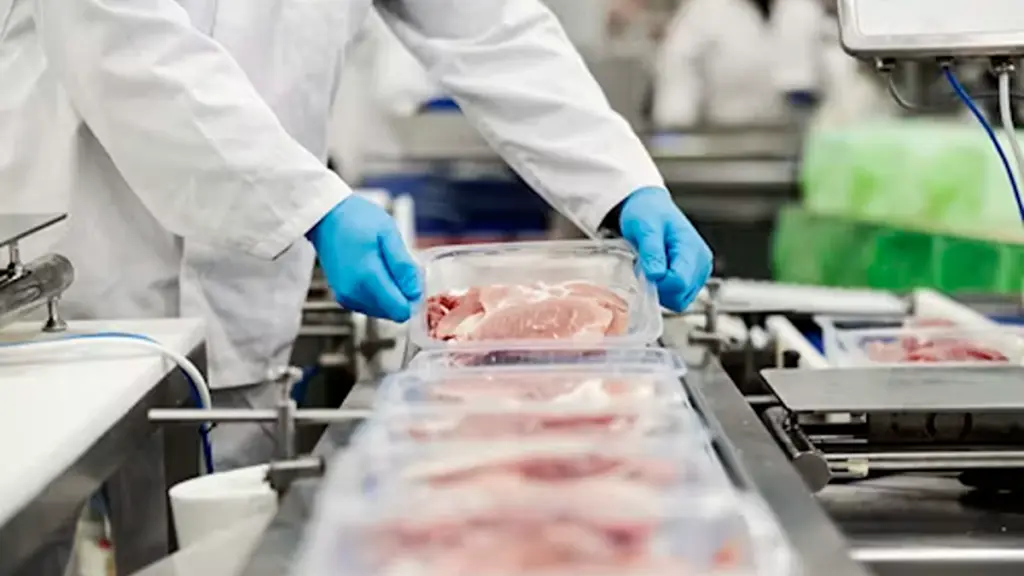
Tipos comuns de embalagens de carne de aves
Os fabricantes de aves usam diferentes soluções de embalagem com base no tipo de produto, requisitos de prazo de validade, e escala de produção. As opções comuns incluem embalagem a vácuo, MAPA, termoformagem, e tecnologias de vedação de bandejas.
Embalagem a vácuo para produtos avícolas
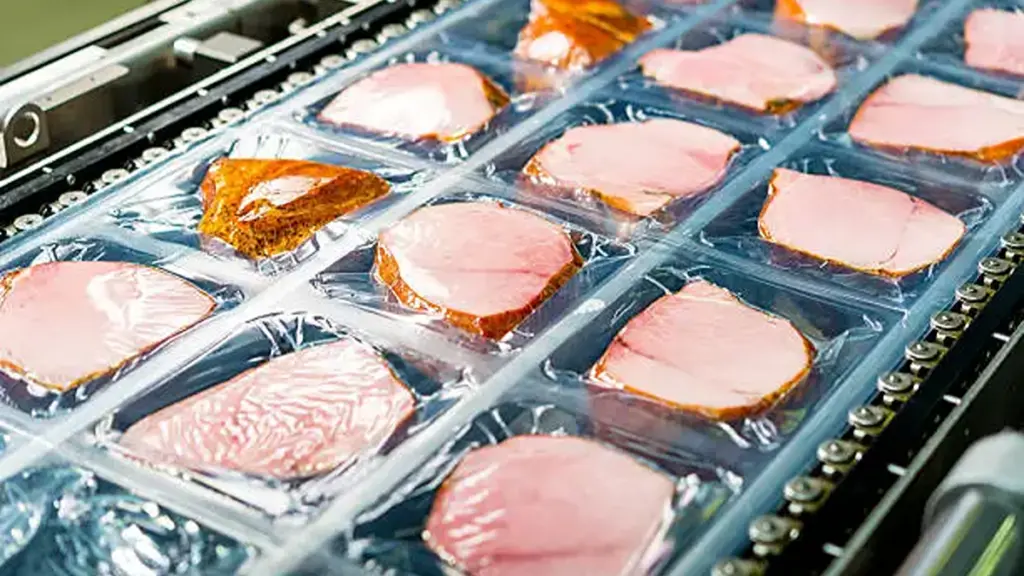
Embalagem a vácuo remove o ar da embalagem antes de selar, ajudando a reduzir a oxidação e a manter a qualidade das aves durante o armazenamento e transporte. É amplamente utilizado em porções de frango, aves congeladas, e produtos processados de aves.
As principais vantagens incluem:
- Vida útil prolongada: Ajuda a retardar a deterioração e a manter o frescor.
- Proteção do produto: Reduz vazamentos e melhora a segurança no manuseio.
- Aplicações flexíveis: Adequado para vários produtos de aves frescos e congelados.
Para processadores de grande escala, sistemas automatizados de embalagem a vácuo melhoram a consistência e reduzem as operações manuais.
Embalagem de atmosfera modificada (MAPA) para frango fresco
Embalagem de atmosfera modificada (MAPA) substitui o ar dentro da embalagem por uma mistura controlada de gases para manter o frescor e a aparência do produto. É comumente usado para produtos de frango fresco vendidos em canais de varejo.
O MAP ajuda os fabricantes a alcançar:
- Melhor apresentação: Mantém uma aparência atraente nas prateleiras.
- Frescor mais longo: Suporta armazenamento refrigerado prolongado.
- Melhor controle de qualidade: Cria um ambiente de pacote estável.
Quando combinado com equipamento de vedação de bandejas e filmes de barreira adequados, O MAP oferece desempenho confiável para produção avícola de alto volume.
Embalagem Termoformadora para Produção de Aves em Grande Escala
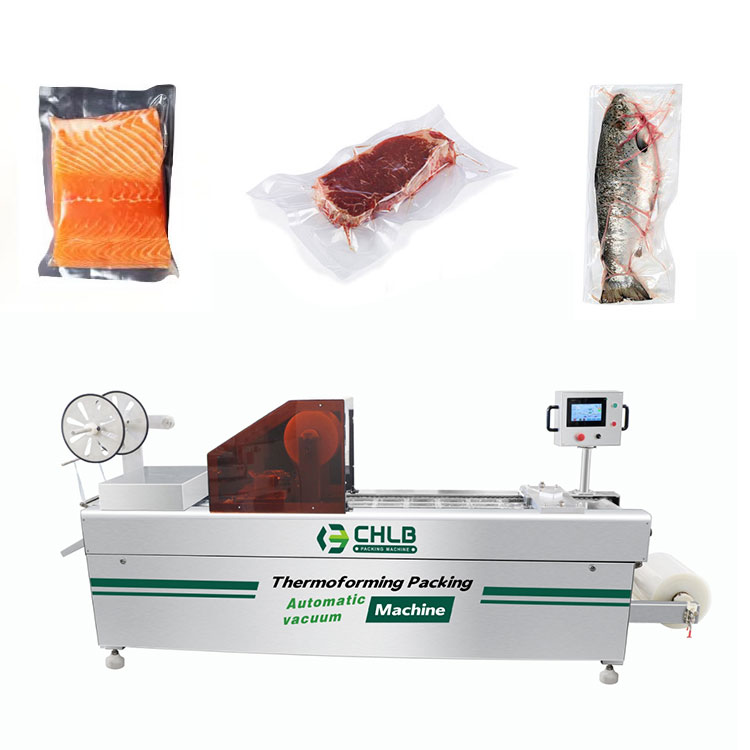
Embalagem termoformadora foi projetado para fabricantes que exigem alta eficiência e formatos de embalagem flexíveis. O sistema forma o pacote, carrega produtos, e completa a selagem a vácuo em um processo automatizado.
É comumente usado para:
- Porções de frango
- Aves congeladas
- Produtos marinados
- Aves processadas
Com níveis de automação mais elevados e resultados consistentes, os sistemas de termoformagem são adequados para grandes instalações de processamento de aves.
Embalagem de vedação de bandeja para produtos avícolas de varejo
Embalagem seladora de bandeja é amplamente utilizado para produtos avícolas frescos em supermercados e mercados de varejo de alimentos. Sela os produtos dentro das bandejas para melhorar a proteção, apresentação, e desempenho de prateleira.
Aplicações comuns incluem:
- Cortes de frango fresco
- Produtos com porções controladas
- Aves prontas para cozinhar
Combinado com tecnologia MAP, sistemas automatizados de selagem de bandejas ajudam os fabricantes a melhorar a eficiência da embalagem e a consistência do produto.
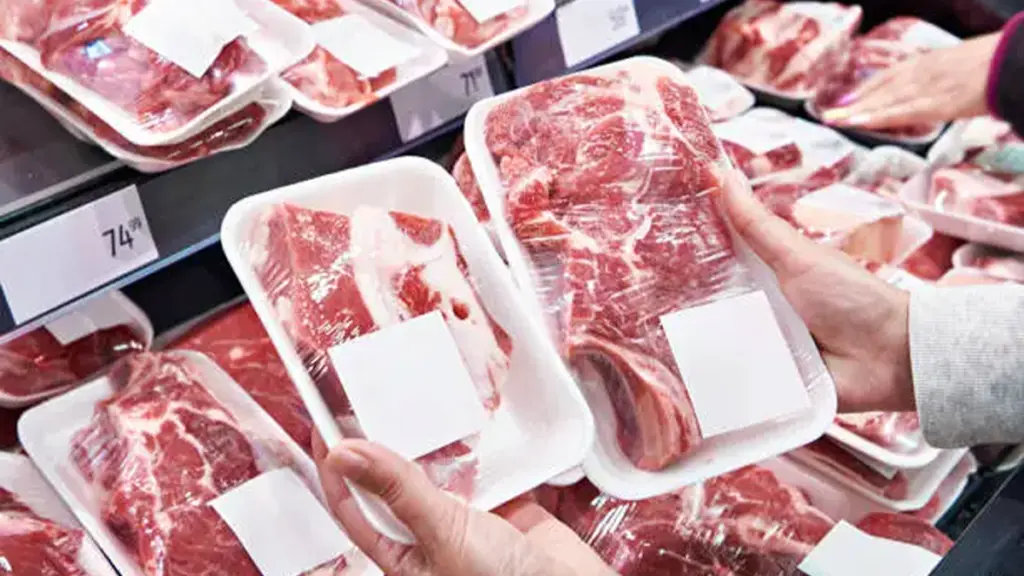
Soluções avançadas de embalagem de aves para fabricantes de alimentos
Materiais de embalagem de carne de aves e seu impacto no desempenho
Os materiais de embalagem afetam diretamente a proteção, prazo de validade, e desempenho geral de produtos avícolas. Os fabricantes precisam selecionar materiais com base em fatores como tipo de produto, condições de armazenamento, requisitos de vedação, e necessidades de distribuição.
Filmes Barreira para Embalagens de Aves
Filmes de barreira são amplamente utilizados em embalagens de aves porque ajudam a controlar a transferência de oxigênio e umidade. Esses filmes multicamadas são projetados para fornecer proteção forte, mantendo o desempenho de vedação e a durabilidade da embalagem.
Para embalagens a vácuo e aplicações MAP, filmes de alta barreira ajudam a manter o ambiente interno da embalagem e reduzem a perda de qualidade durante o armazenamento. A estrutura correta do filme também melhora a resistência a perfurações, vazamento, e manuseio de danos durante o transporte.
Fatores importantes de desempenho incluem:
- Barreira de oxigênio: Reduz a oxidação e ajuda a manter o frescor do produto.
- Resistência à umidade: Evita a perda de água e protege a qualidade do produto.
- Força de vedação: Garante a integridade da embalagem em toda a cadeia de abastecimento.
Bandejas e materiais de embalagem rígidos
Bandejas e materiais de embalagem rígidos são comumente usados para produtos frescos de aves, especialmente em aplicações de embalagens de varejo. Eles fornecem suporte ao produto, melhorar a apresentação da prateleira, e funciona bem com sistemas de vedação de bandeja e MAP.
Materiais comuns incluem PET, PP, e outros plásticos de qualidade alimentar selecionados de acordo com os requisitos do produto. A escolha do material afeta a compatibilidade da vedação, durabilidade, reciclabilidade, e desempenho geral da embalagem.
Para fabricantes de aves, bandejas adequadas devem fornecer:
- Apoio estrutural: Mantém os produtos estáveis durante o manuseio e transporte.
- Compatibilidade de vedação: Garante desempenho confiável com equipamentos de embalagem.
- Aparência de varejo: Melhora a apresentação do produto para os clientes.
Como os materiais de embalagem afetam a vida útil e a segurança alimentar
O desempenho das embalagens de aves depende da combinação de materiais, tecnologia de vedação, e condições de armazenamento. Uma estrutura de embalagem bem projetada ajuda a manter o frescor, reduzir riscos de contaminação, e suportar períodos de distribuição mais longos.
Ao selecionar materiais de embalagem, os fabricantes devem considerar:
| Fator de embalagem | Impacto nas embalagens de aves |
|---|---|
| Barreira de oxigênio | Ajuda a retardar a oxidação e a manter o frescor do produto |
| Controle de umidade | Reduz a perda de peso e protege a textura do produto |
| Desempenho do selo | Evita vazamentos e reduz riscos de contaminação |
| Durabilidade dos materiais | Melhora a proteção durante o manuseio e transporte |
Escolhendo materiais de embalagem adequados, processadores de aves podem melhorar a estabilidade do produto, reduzir o desperdício, e alcançar resultados mais consistentes em diferentes ambientes de produção e distribuição.
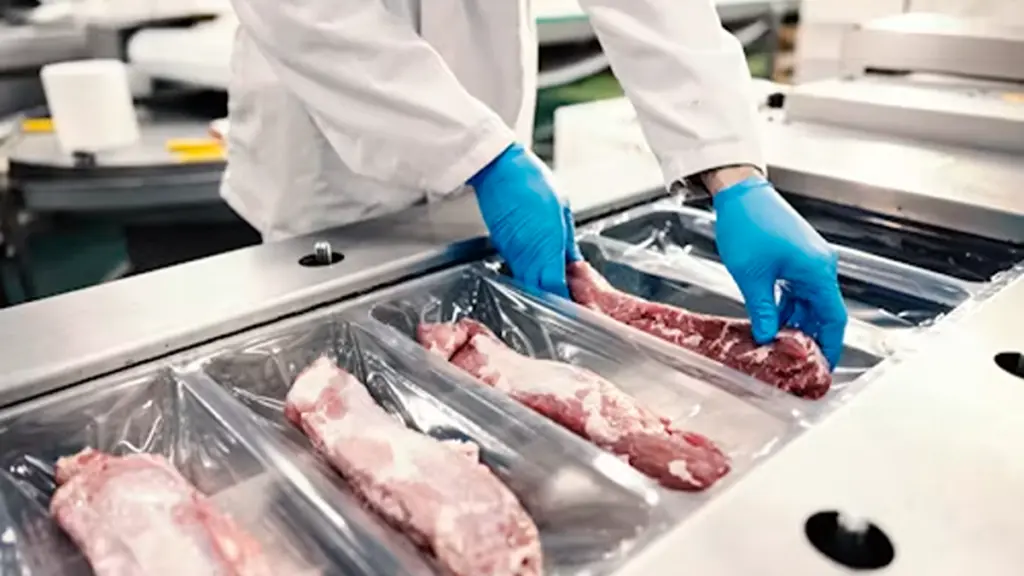
Como escolher a solução certa para embalagem de carne de aves?
A seleção da solução certa de embalagem de carne de aves exige que os fabricantes considerem os requisitos do produto, metas de produção, e necessidades futuras de negócios. Um sistema de embalagem adequado não só deve proteger os produtos avícolas, mas também melhorar a eficiência e apoiar o crescimento da produção a longo prazo.
Considere as características do produto avícola
Diferentes produtos avícolas exigem diferentes abordagens de embalagem. Fatores como formato do produto, teor de umidade, temperatura de armazenamento, condições de distribuição, e o prazo de validade esperado influenciam diretamente a escolha da tecnologia de embalagem.
Por exemplo, produtos de frango fresco vendidos através de canais de varejo podem exigir MAP ou soluções de vedação de bandeja para manter a aparência, enquanto os produtos avícolas congelados muitas vezes precisam de embalagem a vácuo para maior proteção durante o armazenamento e transporte.
Os fabricantes devem avaliar:
- Tipo de produto: Frango inteiro, porções, aves processadas, e produtos prontos para cozinhar podem exigir diferentes métodos de embalagem.
- Condições de armazenamento: Fresco, refrigerado, e produtos congelados têm barreiras diferentes, vedação, e requisitos de controle de temperatura.
- Clima e ambiente de transporte: Produtos enviados através de climas quentes ou cadeias de fornecimento de longa distância podem exigir materiais de barreira mais fortes e desempenho de vedação mais confiável.
- Distância de distribuição: Os produtos avícolas orientados para a exportação muitas vezes precisam de soluções de embalagem que suportem uma vida útil mais longa e condições logísticas mais exigentes.
- Requisitos do mercado: Varejo, serviço de alimentação, e os mercados de exportação podem exigir diferentes formatos de embalagem, materiais, e padrões de conformidade.
Avalie a capacidade de produção e os requisitos de automação
O volume de produção é outro fator importante na escolha de uma solução de embalagem para aves. Processadores pequenos e médios podem priorizar flexibilidade, enquanto os grandes fabricantes de aves geralmente exigem sistemas automatizados com maior capacidade de produção.
As modernas linhas de embalagem podem integrar processos como carregamento de produtos, vedação a vácuo, Vedação MAP, inspeção, e transmitindo. Isso ajuda os fabricantes a melhorar a consistência, reduzir o trabalho manual, e manter o desempenho de produção estável.
Ao avaliar as necessidades de automação, os fabricantes devem considerar:
| Consideração | Impacto na solução de embalagem |
|---|---|
| Volume de produção | Determina a velocidade de embalagem necessária e a capacidade do equipamento |
| Variedade de produtos | Afeta a flexibilidade da embalagem e os requisitos de troca de produtos |
| Disponibilidade de mão de obra | Influencia o nível necessário de automação e eficiência da força de trabalho |
| Expansão Futura | Garante que o sistema de embalagem possa suportar o crescimento futuro da produção |
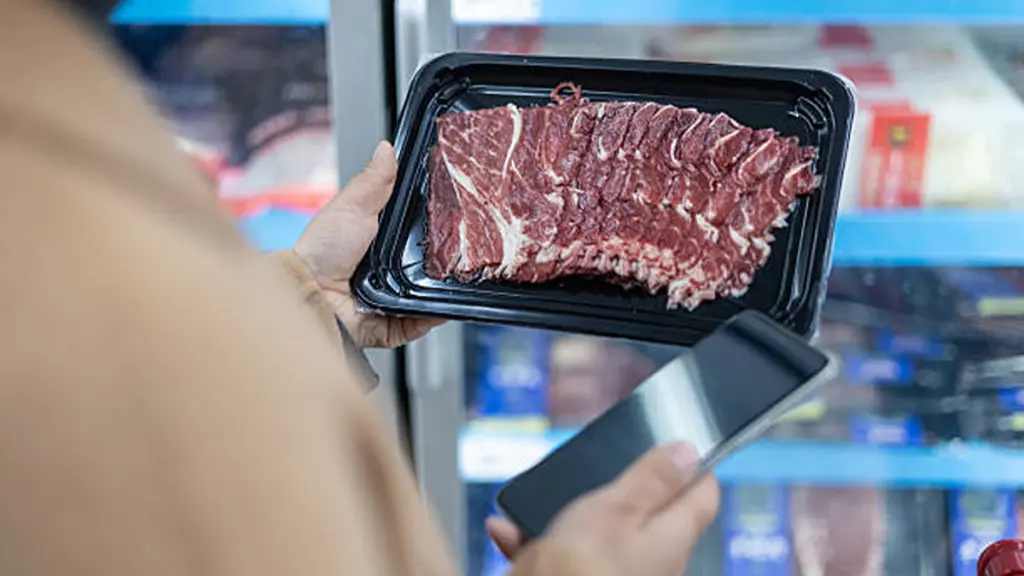
Soluções de automação de embalagens de aves para fabricantes de alimentos
Os fabricantes modernos de aves dependem cada vez mais de soluções de embalagem automatizadas para melhorar a eficiência da produção, reduzir os requisitos de mão de obra, e manter uma qualidade de embalagem consistente. Integrando vários processos em um sistema, linhas automatizadas ajudam os processadores a obter maior produção, ao mesmo tempo em que atendem aos rigorosos requisitos de segurança alimentar e do mercado.
Você pode estar interessado em: Sistemas de embalagem manuais versus automatizados: O que é melhor para a produção de alimentos?
Sistemas automatizados de embalagem a vácuo
Sistemas automatizados de embalagem a vácuo fornecer uma solução eficiente para processadores de aves que lidam com produção de alto volume. Esses sistemas completam automaticamente processos como carregamento de produtos, remoção de ar, vedação, e saída do pacote, reduzindo operações manuais e melhorando a consistência.
Comparado com métodos de embalagem manual, sistemas de vácuo automatizados oferecem:
- Maior eficiência: Suporta produção contínua com velocidade de embalagem estável.
- Qualidade consistente: Garante desempenho de vedação uniforme em todos os produtos.
- Dependência trabalhista reduzida: Minimiza o manuseio manual repetitivo.
Esses sistemas são comumente usados para porções de frango, aves congeladas, e produtos avícolas processados onde são necessárias proteção confiável e desempenho de armazenamento mais longo.
Linhas de embalagem MAP para produtos avícolas
Linhas de embalagem MAP combinar tecnologia de embalagem em atmosfera modificada com processos automatizados de selagem de bandejas para fornecer melhor controle de frescor para produtos avícolas no varejo.
Uma linha MAP completa normalmente inclui manuseio de bandejas, carregamento do produto, descarga de gás, vedação, e inspeção de qualidade. Este processo integrado ajuda os fabricantes a manter a qualidade estável da embalagem e, ao mesmo tempo, melhorar a eficiência da produção.
Os principais benefícios incluem:
- Apresentação de prateleira aprimorada: Mantém a aparência do produto para mercados de varejo.
- Vida útil refrigerada prolongada: Ajuda a preservar o frescor durante a distribuição.
- Desempenho de produção estável: Reduz variações causadas por operações manuais.
Para fabricantes de aves que abastecem supermercados e varejistas de alimentos, soluções MAP automatizadas fornecem uma maneira eficaz de atender aos padrões de embalagem mais elevados.
Também explicamos esse conceito mais detalhadamente em nosso artigo sobre O que é embalagem com atmosfera modificada (MAPA)? Guia Completo.
Soluções integradas de embalagem prontas para uso
Os processadores de aves em grande escala geralmente exigem mais do que máquinas de embalagem individuais. Uma solução de embalagem integrada e pronta para uso conecta diferentes estágios de produção em um fluxo de trabalho completo, desde o manuseio do produto até a produção final da embalagem.
Uma linha de embalagem personalizada para aves pode incluir:
- Sistemas de alimentação automática
- Equipamento de embalagem a vácuo ou MAP
- Sistemas de transporte
- Soluções de inspeção e controle de qualidade
- Sistemas de gerenciamento de embalagens
Ao otimizar todo o processo de embalagem, soluções prontas para uso ajudam os fabricantes a melhorar a eficiência da produção, reduzir a complexidade operacional, e preparar-se para futuras expansões de capacidade.
O Grupo CHLB fornece soluções personalizadas de automação de embalagens de alimentos para aves e outras indústrias alimentícias, ajudando os fabricantes a construir soluções eficientes, confiável, e sistemas de embalagem escalonáveis com base em seus requisitos de produção.
Considerações Finais
Escolhendo o certo solução de embalagem de carne de aves é essencial para fabricantes que buscam melhorar a qualidade do produto, eficiência de produção, e competitividade a longo prazo. Desde embalagens a vácuo e MAP até linhas de embalagem automatizadas prontas para uso, cada solução oferece vantagens diferentes com base nos requisitos do produto e nas metas de fabricação.
À medida que a produção avícola continua avançando em direção a maior eficiência e automação, sistemas de embalagem confiáveis tornaram-se uma parte fundamental do processamento moderno de alimentos. Grupo CHLB fornece soluções personalizadas de automação de embalagens que ajudam os fabricantes de aves a otimizar as operações, melhorar a consistência, e construir linhas de produção escalonáveis para crescimento futuro.
Perguntas frequentes
Qual o melhor tipo de embalagem para produtos avícolas?
O melhor tipo de embalagem de aves depende do formato do produto, requisitos de prazo de validade, condições de armazenamento, e método de distribuição. A embalagem a vácuo é comumente usada para produtos que exigem proteção forte, enquanto as soluções de selagem de bandejas e MAP são adequadas para produtos avícolas frescos que necessitam de apresentação atraente no varejo e frescor prolongado.
Como as embalagens de aves ajudam a prolongar a vida útil?
As embalagens de aves prolongam a vida útil controlando a exposição ao oxigênio, evitando contaminação, e manter um ambiente de pacote estável. Tecnologias como embalagem a vácuo e embalagem em atmosfera modificada (MAPA) ajudam a reduzir os riscos de deterioração, preservando a qualidade do produto durante o armazenamento e transporte refrigerado.
Que fatores os fabricantes de aves devem considerar antes de comprar equipamentos de embalagem?
Os fabricantes devem avaliar as características do produto, capacidade de produção, formato de embalagem, requisitos trabalhistas, e planos de expansão futuros. O sistema certo deve atender às necessidades atuais de produção e, ao mesmo tempo, fornecer flexibilidade suficiente para novos produtos e maiores volumes de produção.
Os sistemas de embalagem de aves podem ser personalizados para diferentes linhas de produção?
Sim. Os sistemas automatizados de embalagem de aves podem ser personalizados de acordo com o tamanho do produto, materiais de embalagem, requisitos de saída, e layout de fábrica. Soluções personalizadas podem incluir embalagem a vácuo, Embalagem MAP, vedação de bandeja, transmitir, e outros processos integrados.
Por que os fabricantes de aves deveriam investir em soluções de embalagem automatizadas?
Soluções de embalagem automatizadas ajudam os fabricantes de aves a melhorar a consistência da produção, reduzir o manuseio manual, e aumentar a capacidade de produção. Ao integrar processos como vedação, inspeção, e transmitindo, sistemas automatizados podem melhorar a eficiência e apoiar o crescimento da produção a longo prazo.
Como funcionam as linhas automatizadas de embalagem de carne?
Linhas automatizadas de embalagem de carne processam produtos por meio de porcionamento, colocação, aspiração ou descarga de gás, vedação, e rotulagem. Esses sistemas utilizam equipamentos como transportadores e máquinas de selagem especializadas em zonas higiênicas de alto cuidado. Protocolos rígidos, incluindo limpeza, controle de temperatura, e separação de produtos crus/prontos para consumo, garantir a segurança alimentar e a eficiência operacional.
SEO
Título: Tipos de embalagens de carne: Um guia completo para fabricantes de alimentos
Descrição: Soluções para embalagens de carne: Otimize a vida útil, reduzir o desperdício, e garantir o cumprimento. Encontre alta capacidade, opções certificadas para compras B2B.
URL: soluções para embalagens de carne
Palavras-chave: Soluções para embalagens de carne