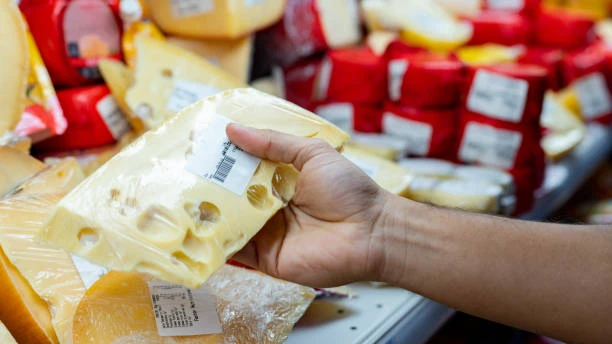
غالبًا ما يواجه مصنعو الأغذية المجمدة خسائر في المنتجات بسبب حرق المجمد, أكسدة, فشل الختم, ومواد التعبئة والتغليف التي لا يمكنها تحمل ظروف سلسلة التبريد القاسية. تساعد استراتيجية حلول تغليف المواد الغذائية المجمدة الموثوقة على تقليل هذه المخاطر من خلال مطابقة تنسيقات التغليف, مواد, والمعدات ذات متطلبات الإنتاج المحددة.
يقدم هذا الدليل رؤى عملية للمصنعين لتجنب أخطاء التغليف المكلفة, تحسين حماية المنتج, وبناء عملية إنتاج أكثر موثوقية. من خلال تقييم العوامل الرئيسية مثل أداء الحاجز, توافق المعدات, واحتياجات الأتمتة, يمكن للشركات تطوير أنظمة التعبئة والتغليف التي تدعم الجودة المتسقة والكفاءة التشغيلية طويلة المدى.
تحديات تغليف المواد الغذائية المجمدة
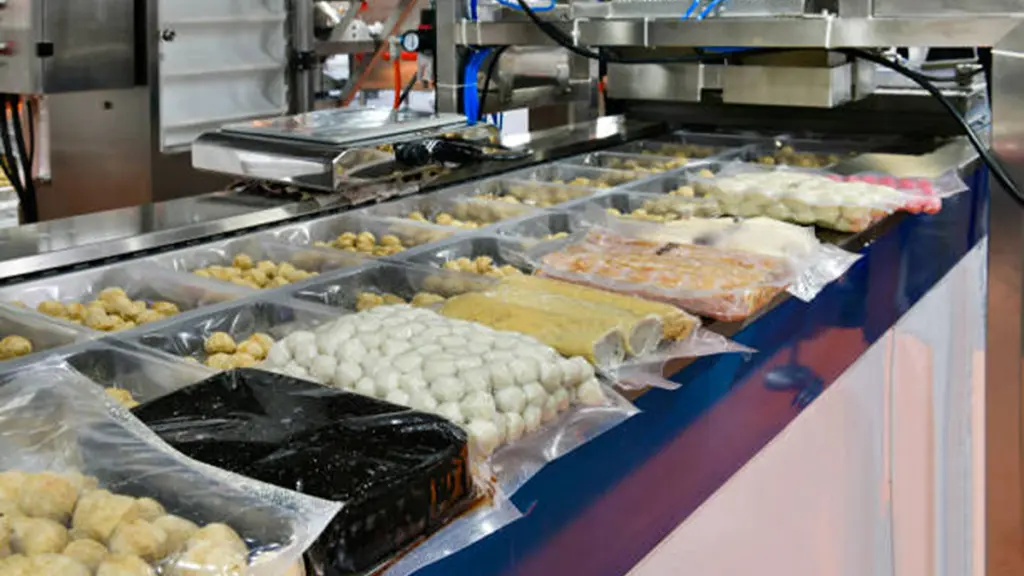
يجب على مصنعي الأغذية المجمدة حماية المنتجات من فقدان الجودة أثناء التجميد, تخزين, والنقل. يمكن أن يؤدي فشل التغليف إلى تقصير مدة الصلاحية, زيادة النفايات, وتقليل كفاءة الإنتاج.
منع حرق الفريزر وفقدان الرطوبة
يعد التحكم في الرطوبة أحد أكبر التحديات في تغليف المواد الغذائية المجمدة. عندما تسمح العبوة للرطوبة بالهروب, يمكن أن تتشكل بلورات الثلج على سطح المنتج, مما يسبب حرق الفريزر, تغييرات الملمس, وانخفاض جودة المنتج.
ال معدل انتقال بخار الماء (WVTR) تلعب مواد التعبئة والتغليف دورًا رئيسيًا في منع فقدان الرطوبة. غالبًا ما تحتاج المنتجات ذات فترات التخزين الأطول أو متطلبات الجودة الأعلى إلى حواجز رطوبة أقوى للحفاظ على الاتساق طوال سلسلة التبريد.
التحكم في الأكسدة وجودة المنتج
يمكن أن يؤثر التعرض للأكسجين سلبًا على الأطعمة المجمدة, وخاصة اللحوم, المأكولات البحرية, والوجبات الجاهزة التي تحتوي على نسبة عالية من الدهون. الأكسدة قد تسبب نكهات خارجة, تغيرات اللون, وتقليل مدة الصلاحية, خلق مشاكل الجودة بعد التخزين والتوزيع.
هياكل التعبئة والتغليف عالية الحاجز, مثل الأفلام متعددة الطبقات مع طبقات EVOH, تساعد على الحد من انتقال الأكسجين مع الحفاظ على المرونة المطلوبة للتطبيقات المجمدة. يعتمد مستوى الحماية المطلوب على نوع المنتج وظروف التخزين المتوقعة.
الحفاظ على أداء التغليف في البيئات الباردة
تخلق درجات الحرارة المنخفضة تحديات إضافية لمواد التعبئة والتغليف. بعض المواد تصبح هشة عند تجميدها, زيادة خطر الشقوق, فشل الختم, والضرر أثناء النقل.
تحتاج العبوات المجمدة الموثوقة إلى الحفاظ على قوتها طوال سلسلة التوريد بأكملها. وتشمل عوامل الأداء الرئيسية:
- مقاومة الكراك البارد: يمنع المواد من الكسر عند تعرضها لدرجات حرارة متجمدة.
- سلامة الختم: يحافظ على العبوات مغلقة بشكل آمن أثناء التخزين والمناولة.
- مقاومة الثقب: يحمي المنتجات من التلف الناتج عن الحواف الحادة أو الضغط الخارجي.
موازنة الأداء, يكلف, والاستدامة
يجب أن تلبي عبوات المواد الغذائية المجمدة المتطلبات الفنية والتجارية. يحتاج المصنعون إلى مواد توفر الحماية الكافية مع الحفاظ على توافقها مع معدات التغليف الآلية وأهداف التكلفة.
في نفس الوقت, تعمل متطلبات الاستدامة على زيادة الطلب على الحلول القابلة لإعادة التدوير مثل الهياكل أحادية المادة. لكن, يجب أن تظل هذه المواد تقدم أداء الحاجز المطلوب للتطبيقات المجمدة.
يوازن حل التغليف المناسب بين حماية المنتج, كفاءة الإنتاج, تكلفة المواد, والاحتياجات التشغيلية طويلة المدى.
طرق تغليف المواد الغذائية المجمدة الشائعة
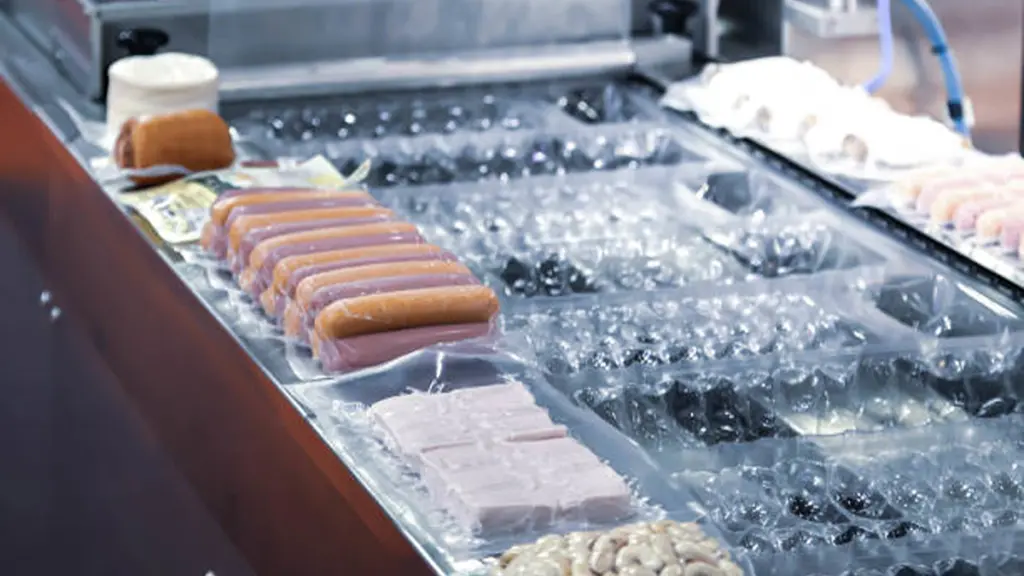
تختلف طرق تغليف المواد الغذائية المجمدة بناءً على خصائص المنتج, أهداف العمر الافتراضي, احتياجات الحماية, ومتطلبات الإنتاج. يساعد التنسيق الصحيح في الحفاظ على الجودة مع تحسين كفاءة التعبئة والتغليف.
| طريقة التغليف | التطبيقات النموذجية | المزايا الرئيسية |
|---|---|---|
| الحقائب والحقائب المرنة | خضار مجمدة, الفواكه, المأكولات البحرية, وجبات خفيفة, ومنتجات IQF | انخفاض تكلفة المواد, تخزين مرن, والتوافق مع أنظمة التعبئة والتغليف VFFS عالية السرعة. |
| الصواني والحاويات الصلبة | الوجبات الجاهزة المجمدة, منتجات اللحوم المجزأة, والأطعمة الجاهزة | يوفر حماية قوية للمنتج, التراص الاستقرار, وخيارات لتسخين الميكروويف أو الفرن. |
| كرتون من الورق المقوى | البيتزا المجمدة, الحلويات, والمنتجات التي تركز على البيع بالتجزئة | يوفر مساحة قوية للعلامة التجارية ودعمًا هيكليًا مع حواجز رطوبة إضافية. |
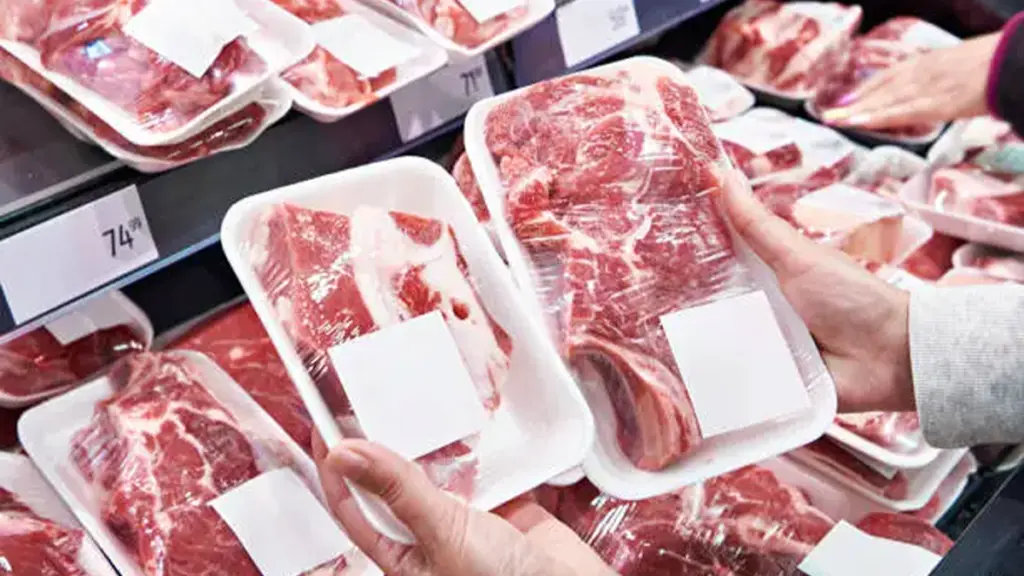
| التعبئة والتغليف فراغ | اللحوم المجمدة, المأكولات البحرية, ومنتجات البروتين عالية القيمة | يزيل الهواء لتقليل الأكسدة, الحد من حرق الفريزر, وإطالة مدة الصلاحية المجمدة. |
| تغليف الغلاف الجوي المعدل (رسم خريطة) | بروتينات متميزة, المأكولات البحرية, والأطعمة الجاهزة التي تتطلب الاحتفاظ بمظهرها | يتحكم في تكوين الغاز الداخلي لحماية جودة المنتج والحفاظ على نضارته. |
يجب أن تتوافق طريقة التغليف المحددة مع متطلبات المنتج وقدرات الإنتاج. لمصنعي الأغذية المجمدة على نطاق واسع, تنسيق التعبئة والتغليف, الأداء المادي, ويجب تقييم توافق الأتمتة معًا.
إذا كنت تريد أن تفهم هذا بمزيد من التفصيل, يمكنك أيضًا قراءة دليلنا حول ماكينات تعبئة المواد الغذائية المجمدة: أنواع, فوائد & طلب
أتمتة مخصصة للمأكولات البحرية & تغليف الدواجن
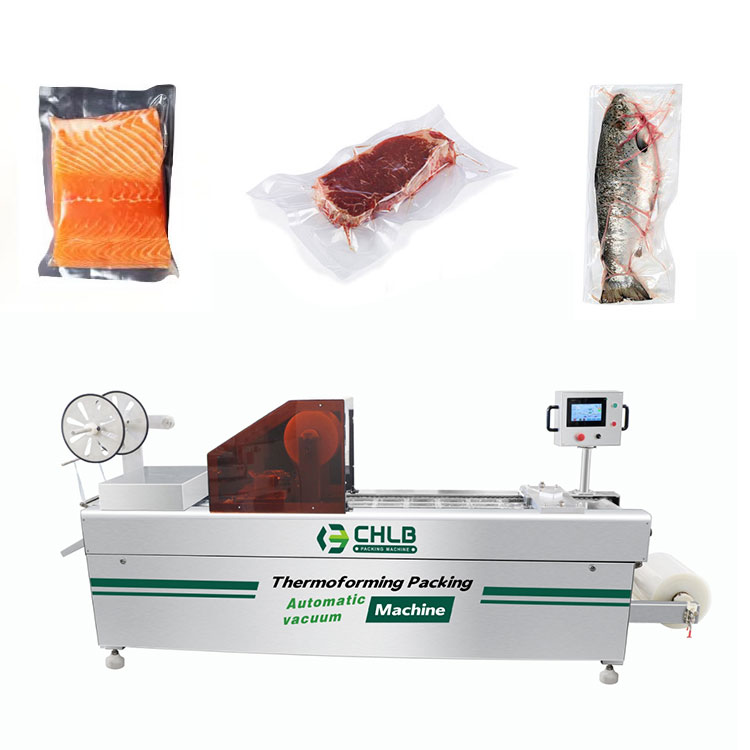
المعدات الآلية لإنتاج الأغذية المجمدة
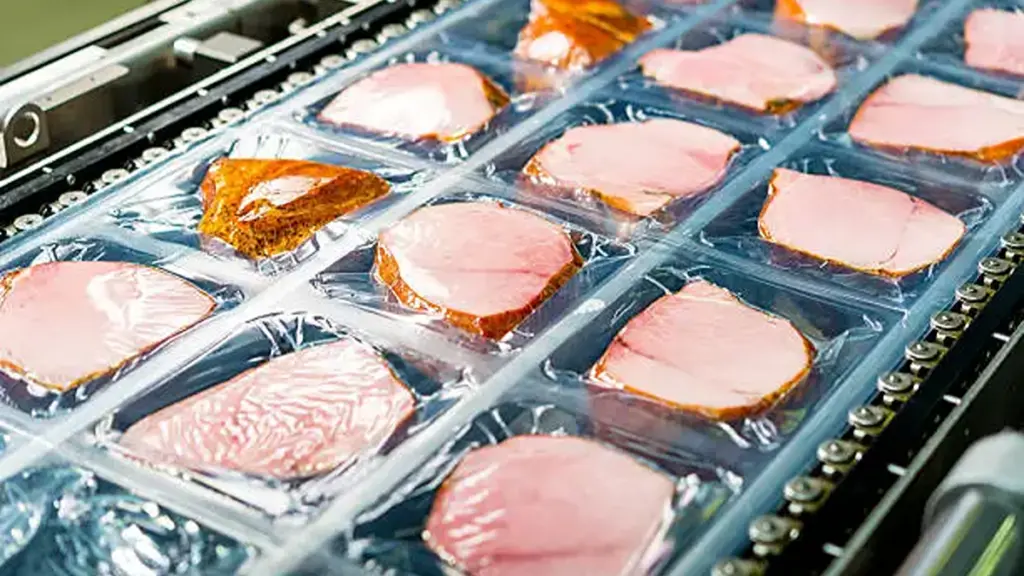
يحتاج مصنعو الأغذية المجمدة إلى أنظمة التشغيل الآلي التي تحافظ على جودة المنتج مع تحسين الكفاءة, تناسق, والسلامة الغذائية. خط إنتاج كامل يربط المعالجة, تجميد, التعبئة والتغليف, ومراقبة الجودة في سير عمل واحد موثوق به.
معدات المعالجة والتجميد
يؤثر إعداد المنتج وأداء التجميد بشكل مباشر على الجودة النهائية. تساعد الأنظمة الآلية الشركات المصنعة على تحقيق ظروف المنتج المتسقة قبل التعبئة مع تقليل المناولة اليدوية.
تشمل المعدات الرئيسية:
- أنظمة المعالجة: غسل, فرز, قطع, وتعمل معدات التشكيل على تحسين اتساق المنتج وإعداد الأطعمة للتجميد الفعال.
- مجمدات الهواء الانفجار: يشيع استخدامها لمنتجات IQF مثل الخضروات, الفواكه, المأكولات البحرية, والأطعمة المقطعة لأنها تدعم الإنتاج المستمر.
- الاتصال والمجمدات المبردة: مناسب للمنتجات التي تتطلب سرعات تجميد أسرع أو حماية أفضل للنسيج, بما في ذلك المأكولات البحرية, لحمة, والأطعمة المتميزة.
أنظمة التعبئة والتغليف وخطوط الإنتاج الآلية
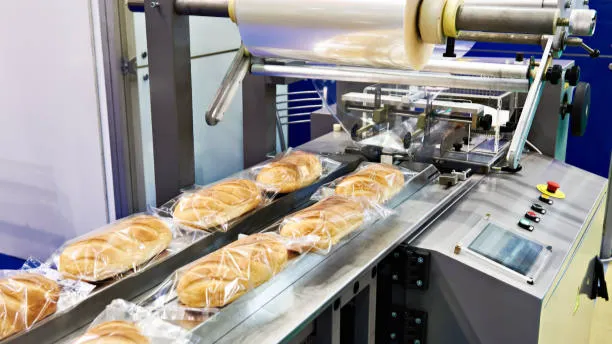
بعد التجميد, يجب تعبئة المنتجات بسرعة لحماية الجودة والحفاظ على أداء سلسلة التبريد. تعمل أنظمة التغليف الآلي على تحسين السرعة, دقة, واستقرار الإنتاج عبر تطبيقات الأغذية المجمدة المختلفة.
وتشمل الحلول المشتركة:
- آلات VFFS: مناسبة للخضروات المجمدة, الفواكه, وجبات خفيفة, وغيرها من المنتجات ذات التدفق الحر التي تتطلب تعبئة عالية السرعة.
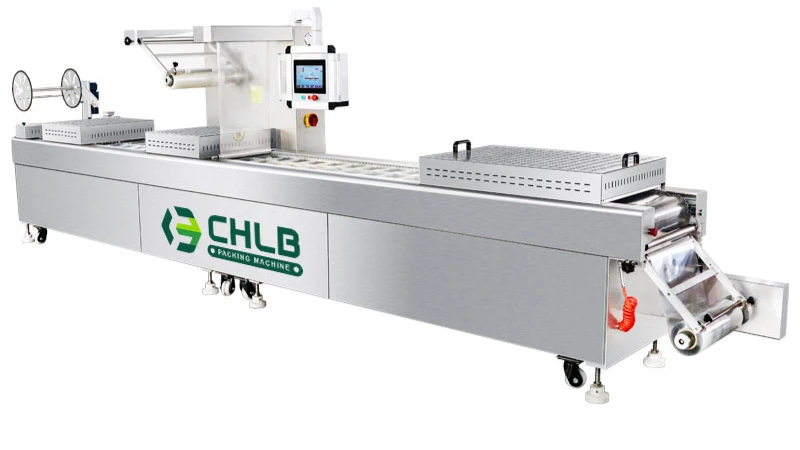
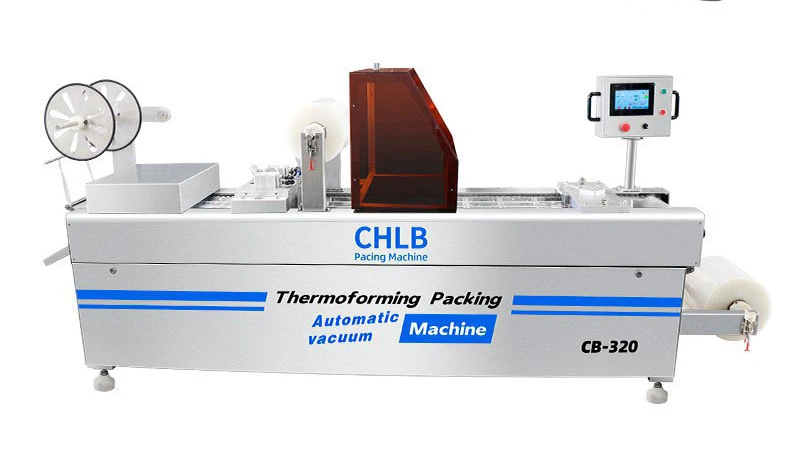
- أنظمة التشكيل الحراري: يستخدم للوجبات المجمدة, منتجات اللحوم, والتطبيقات القائمة على الدرج والتي تتطلب أداءً قويًا في الختم.
- أنظمة التعبئة والتغليف والمنصة: أتمتة التغليف الثانوي وإعداد المنتجات النهائية للتخزين والنقل.
أنظمة التحكم في الخط المتكاملة, بما في ذلك تقنيات PLC وSCADA, المساعدة في مزامنة المعدات, مراقبة بيانات الإنتاج, وتقليل وقت التوقف عن العمل أثناء التشغيل.
ميزات التصميم الصحي ومراقبة الجودة
يجب أن تلبي أتمتة الأطعمة المجمدة متطلبات النظافة والجودة الصارمة. تصميم المعدات, أنظمة التفتيش, تعمل ميزات الصرف الصحي معًا لتقليل مخاطر التلوث والحفاظ على إنتاج ثابت.
وتشمل الميزات الهامة:
- البناء الصحي: مواد الفولاذ المقاوم للصدأ, الهياكل ذات الإطار المفتوح, والأسطح سهلة التنظيف تدعم الصرف الصحي الفعال.
- أنظمة التفتيش: أجهزة الكشف عن المعادن, أنظمة الأشعة السينية, وتحدد تقنيات فحص الرؤية العيوب قبل وصول المنتجات إلى العملاء.
- حماية الغسيل: تتحمل المكونات المصممة بشكل صحيح إجراءات التنظيف في بيئات الإنتاج الرطبة والمتطلبة.
مواد التعبئة والتغليف للمنتجات المجمدة
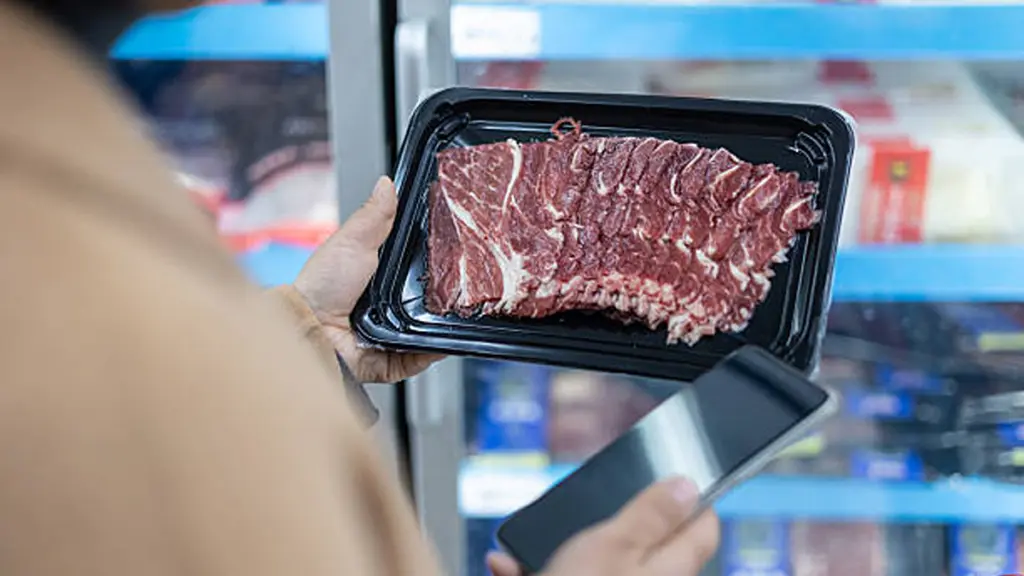
يجب أن تحافظ مواد تغليف المواد الغذائية المجمدة على جودة المنتج في ظل الظروف القاسية مع موازنة الحماية, كفاءة الإنتاج, الاستدامة, والمتطلبات التنظيمية.
متطلبات الأداء الرئيسية لمواد التعبئة والتغليف المجمدة
تخلق البيئات المجمدة تحديات فريدة لمواد التعبئة والتغليف. يجب أن يحمي الهيكل الصحيح المنتجات من فقدان الرطوبة, أكسدة, والأضرار المادية في جميع أنحاء التخزين, مواصلات, والتعامل مع التجزئة.
وتشمل عوامل الأداء الهامة:
- صلابة درجات الحرارة المنخفضة: يمنع المواد من أن تصبح هشة ومتصدعة أثناء التجميد, التراص, والنقل.
- أداء حاجز الرطوبة: معدل نقل بخار الماء منخفض (WVTR) يساعد على تقليل حرق الفريزر, تشكيل بلورات الجليد, وفقدان الجودة.
- حماية حاجز الأكسجين: معدل نقل الأكسجين منخفض (OTR) يحد من الأكسدة, وهو أمر مهم بشكل خاص للحوم, المأكولات البحرية, والمنتجات عالية الدهون.
- قوة الختم والمتانة: يضمن بقاء العبوات سليمة أثناء التغيرات في درجات الحرارة والضغط الميكانيكي عبر سلسلة التبريد.
المواد المشتركة وتطبيقاتها
لا توجد مادة واحدة مناسبة لكل منتج مجمد. عادةً ما يختار المصنعون هياكل التغليف بناءً على حساسية المنتج, متطلبات العمر الافتراضي, تنسيق الحزمة, وظروف المعالجة.
| نوع المادة | التطبيقات المشتركة | المزايا الرئيسية |
|---|---|---|
| البولي إثيلين المنخفض الكثافة / البولي ايثيلين عالي الكثافة | خضار مجمدة, الفواكه, منتجات اي كيو اف, والحقائب المرنة | فعالة من حيث التكلفة, مرنة في درجات حرارة منخفضة, ومناسبة للتغليف عالي السرعة. |
| ص / CPET | الوجبات الجاهزة المجمدة, الصواني, والمنتجات الجاهزة للفرن | يوفر بنية قوية ويدعم تطبيقات الميكروويف أو الفرن. |
| أفلام EVOH متعددة الطبقات | لحمة, المأكولات البحرية, والمنتجات المجمدة الحساسة للأكسجين | يوفر أداءً عاليًا لحاجز الأكسجين مع الحفاظ على المرونة والمتانة. |
| الورق المقوى المطلي | البيتزا المجمدة, الحلويات, والمنتجات التي تركز على البيع بالتجزئة | يوفر هيكلًا قويًا وقدرة طباعة ممتازة للعلامات التجارية. |
يجب أن يتوافق اختيار المواد مع مخاطر المنتج. على سبيل المثال, عادة ما تتطلب المأكولات البحرية واللحوم المجمدة حواجز أكسجين أقوى ومقاومة للثقب, بينما تحتاج الخضروات المجمدة بشكل أساسي إلى حماية فعالة من الرطوبة.
أداء التوازن, الاستدامة, والامتثال
يجب أن تلبي عبوات المواد الغذائية المجمدة الحديثة أكثر من المتطلبات الفنية. يحتاج المصنعون أيضًا إلى النظر في الامتثال التنظيمي, أهداف الاستدامة, والتوافق مع أنظمة الإنتاج الآلي.
وتشمل الاعتبارات الرئيسية:
- الامتثال لملامسة الغذاء: يجب أن تستوفي المواد اللوائح المعمول بها, مثل متطلبات إدارة الغذاء والدواء (FDA) أو الاتحاد الأوروبي الخاصة بملامسة الأغذية, مع الوثائق الداعمة.
- التحقق من صحة الأداء: اختبار لWVTR, OTR, قوة الختم, وتساعد المتانة في درجات الحرارة الباردة على التحقق من الأداء الواقعي.
- الهياكل المستدامة: أفلام أحادية المادة, مثل الهياكل القائمة على PE, يتم استخدامها بشكل متزايد لتحسين إمكانية إعادة التدوير مع الحفاظ على الحماية.
- التوافق المادي: يجب أن تعمل هياكل التعبئة والتغليف بشكل موثوق على معدات التعبئة والختم الموجودة لتجنب مشكلات الإنتاج.
كيفية اختيار حل تغليف المواد الغذائية المجمدة
يجب أن يتوافق حل تغليف المواد الغذائية المجمدة مع متطلبات المنتج, ظروف الإنتاج, واحتياجات العمل المستقبلية. إن تقييم العوامل الرئيسية قبل الاستثمار يساعد الشركات المصنعة على تقليل المخاطر وتحسين الكفاءة على المدى الطويل.
| عامل التقييم | النقاط الرئيسية للتحقق |
|---|---|
| متطلبات المنتج | مدة الصلاحية, حساسية المنتج, ظروف التخزين, ومتطلبات النقل. |
| أداء التغليف | خصائص الحاجز, قوة الختم, متانة, والتوافق مع ظروف التجميد. |
| توافق الإنتاج | توافق الآلة, سرعة التغليف, مستوى الأتمتة, واحتياجات التوسع المستقبلية. |
| متطلبات الامتثال | معايير الاتصال الغذائي, شهادات الموردين, واختبار الأداء قبل الإنتاج. |
العوامل الرئيسية للتقييم النهائي
قبل اختيار نظام التعبئة والتغليف, يجب على الشركات المصنعة مراجعة العديد من العوامل العملية:
- تطبيق المنتج: مطابقة أداء التغليف مع نوع المنتج, هدف العمر الافتراضي, وظروف سلسلة التبريد.
- توافق المواد والآلات: تأكد من أن مواد التعبئة والتغليف يمكن أن تعمل بسلاسة على المعدات الموجودة أو المخطط لها.
- قدرة المورد: تقييم الدعم الفني, تجربة التخصيص, وتوثيق الجودة.
- قابلية التوسع على المدى الطويل: فكر فيما إذا كان النظام يمكنه دعم تغييرات المنتج المستقبلية ونمو الإنتاج.
يساعد التقييم الكامل الشركات المصنعة على تجنب التكاليف غير الضرورية وبناء حل لتغليف المواد الغذائية المجمدة يوفر أداءً موثوقًا من الإنتاج إلى التوزيع.
لفرق تطوير المنتجات, نوصي بالقراءة كيفية اختيار أنظمة تغليف المواد الغذائية الآلية المناسبة.
الأفكار النهائية
يتطلب تغليف المواد الغذائية المجمدة أكثر من مجرد اختيار المواد الأساسية. يجب أن يوازن حل تغليف المواد الغذائية المجمدة المناسب بين أداء الحاجز, توافق المعدات, ومتطلبات الامتثال للحد من المخاطر مثل حرق الثلاجة, فقدان المنتج, وفشل التعبئة والتغليف في جميع أنحاء سلسلة التبريد.
CHLB يوفر أ حلول التعبئة والتغليف الجاهزة لمصنعي المواد الغذائية من خلال دمج معدات التعبئة والتغليف, متطلبات الإنتاج, وتصميم النظام حسب الطلب. اتصل بـ CHLB لتقييم احتياجات التغليف الخاصة بك وإنشاء حل موثوق به يعمل على تحسين الكفاءة, يحمي جودة المنتج, ويدعم نمو الإنتاج على المدى الطويل.
الأسئلة المتداولة
ما هي التحديات التي يجب على الشركات المصنعة مراعاتها عند تصميم حلول تغليف المواد الغذائية المجمدة?
يجب أن تحمي عبوات المواد الغذائية المجمدة جودة المنتج من درجات الحرارة تحت الصفر, رُطُوبَة, والإجهاد الميكانيكي. تشمل التحديات الرئيسية منع حرق المجمد باستخدام حاجز رطوبة قوي (WVTR منخفض), وقف الأكسدة في الأطعمة الدهنية مع حاجز الأكسجين, والتأكد من أن المواد تتمتع بمقاومة التشققات الباردة لتجنب أن تصبح هشة. يجب أن تصمد سلامة الختم أثناء النقل وتغيرات درجة الحرارة. يوازن المصممون بين الأداء, يكلف, لوائح الاستدامة, وميزات راحة المستهلك مثل إمكانية إعادة الغلق.
كيف تختار مصانع الأغذية المجمدة معدات التعبئة والتغليف لأنواع المنتجات المختلفة?
تختار المصانع معدات التعبئة والتغليف من خلال مطابقتها للحالة المادية للمنتج (التدفق الحر, قابل للكسر, سائل), تنسيق الحزمة المطلوبة (أكياس, الصواني, الحقائب), وسرعة الإنتاج المستهدفة. على سبيل المثال, غالبًا ما تستخدم منتجات IQF ذات التدفق الحر مثل الخضروات آلات VFFS ذات موازين متعددة الرؤوس لتحقيق السرعة والدقة, بينما تستخدم العناصر الهشة صوانيًا صلبة للحماية. وتشمل المعايير الحاسمة الأخرى النظافة (تصميم مغسول), موثوقية درجات الحرارة المنخفضة, وقدرات التغيير السريع لوحدات SKU المختلفة.
كيف يمكن للتغليف الآلي تحسين كفاءة إنتاج الأغذية المجمدة?
تعمل التعبئة الآلية على تحسين إنتاج الأغذية المجمدة بشكل كبير من خلال زيادة الإنتاجية, خفض تكاليف العمالة, وتعزيز الدقة. يمكن للأنظمة عالية السرعة أن تعزز الكفاءة بنسبة 20-30% وتقلل من هدر المواد بنسبة تصل إلى 15%. يؤدي الوزن الدقيق من الميزان متعدد الرؤوس إلى تقليل التعبئة الزائدة للمنتج, ويمكن أن يؤدي توفير العمالة والمواد مجتمعة إلى استرداد الاستثمار في غضون 12 إلى 18 شهرًا. تضمن الأتمتة أيضًا جودة متسقة للحزمة ونظافة أفضل عن طريق تقليل الاتصال اليدوي.
ما هي العوامل التي تحدد متانة مواد تغليف المواد الغذائية المجمدة?
تعتمد متانة تغليف المواد الغذائية المجمدة على عدة عوامل. ومن أهمها القوة الميكانيكية عند درجات الحرارة المنخفضة, التأكد من أن المادة لا تتشقق أو تصبح هشة عند تجميدها. حاجز رطوبة قوي (انخفاض معدل انتقال بخار الماء) ضروري لمنع حرق الفريزر, في حين أن حاجز الأكسجين الجيد يحمي الأطعمة الدهنية من النتانة. بالإضافة إلى ذلك, يجب أن تظل سلامة الختم قوية خلال درجات الحرارة وضغط النقل. قدرة المادة على مقاومة الثقب, تمزق, والضغط أمر بالغ الأهمية أيضًا.
كيف ينبغي صيانة معدات التعبئة والتغليف في بيئات إنتاج الأغذية المجمدة?
تركز صيانة معدات التعبئة والتغليف في مصانع الأغذية المجمدة على النظافة, الموثوقية في الظروف الباردة والرطبة, والأداء. يتضمن ذلك الصرف الصحي المنتظم باستخدام مواد كيميائية آمنة للغذاء وضمان تصميم المعدات لسهولة الغسيل (على سبيل المثال, الفولاذ المقاوم للصدأ, تصنيف IP65+). تتضمن الصيانة الوقائية استخدام المواد الغذائية, مواد التشحيم ذات درجة الحرارة المنخفضة, فحص الأحزمة للهشاشة الناجمة عن البرد, واستبدال الأجزاء البالية مثل فكي الختم. بشكل حاسم, معايرة الميزان, السدادات, ويجب إجراء أجهزة الكشف عن المعادن بانتظام لضمان الدقة, أمان, والامتثال للوائح الغذائية.