冷凍食品メーカーは、冷凍焼けによる製品損失に直面することがよくあります。, 酸化, シールの不具合, 過酷なコールドチェーン条件に耐えられない包装材料. 信頼性の高い冷凍食品包装ソリューション戦略は、包装形式を一致させることでこれらのリスクを軽減します。, 材料, 特定の生産要件を備えた設備.
このガイドは、製造業者がコストのかかる包装ミスを回避するための実践的な洞察を提供します。, 製品保護を改善する, より信頼性の高い生産プロセスを構築します. バリア性能などの重要な要素を評価することにより, 機器の互換性, 自動化のニーズ, 企業は、一貫した品質と長期的な業務効率をサポートする包装システムを開発できます。.
冷凍食品包装の課題
冷凍食品メーカーは、冷凍中の品質低下から製品を保護する必要があります, ストレージ, と交通. 包装に問題があると保存期間が短くなる可能性があります, 無駄を増やす, 生産効率が低下する.
冷凍焼けと水分損失の防止
水分管理は冷凍食品包装における最大の課題の 1 つです. 湿気が逃げてしまう包装の場合, 製品の表面に氷の結晶が形成される場合があります, 冷凍焼けの原因となる, テクスチャの変更, そして製品の品質が低下した.
の 水蒸気透過率 (WVTR) 湿気の損失を防ぐには、包装材料の使用が重要な役割を果たします. より長い保管期間またはより高い品質要件がある製品には、コールド チェーン全体で一貫性を維持するためにより強力な防湿層が必要になることがよくあります。.
酸化と製品の品質の管理
酸素への曝露は冷凍食品に悪影響を与える可能性があります, 特に肉, シーフード, 脂肪分を多く含む調理済みの食事. 酸化すると異臭が発生する場合があります, 色の変化, そして保存期間の短縮, 保管および流通後に品質問題が発生する.
高バリア包装構造, 多層フィルムなど EVOH層, 冷凍用途に必要な柔軟性を維持しながら、酸素透過を制限します。. 必要な保護レベルは、製品の種類と予想される保管条件によって異なります。.
寒冷環境における包装性能の維持
低温は包装材料にさらなる課題をもたらします. 材料によっては凍結すると脆くなる場合があります, 亀裂のリスクが高まる, シールの不具合, および輸送中の損傷.
信頼性の高い冷凍包装はサプライチェーン全体で強度を維持する必要がある. 主要なパフォーマンス要因には次のものがあります。:
- 耐コールドクラック性: 氷点下の温度にさらされたときの材料の破損を防ぎます.
- シールの完全性: 保管中や取り扱い中にパッケージをしっかりと閉じた状態に保ちます.
- 耐突刺性: 鋭利なエッジや外圧による損傷から製品を保護します。.
パフォーマンスのバランスをとる, 料金, と持続可能性
冷凍食品の包装は技術的要件と商業的要件の両方を満たさなければなりません. メーカーは、自動包装装置やコスト目標との互換性を維持しながら、十分な保護を提供する材料を必要としています。.
同時に, 持続可能性の要件により、モノマテリアル構造などのリサイクル可能なソリューションの需要が高まっています. しかし, これらの材料は、冷凍用途に必要なバリア性能を提供する必要があります。.
適切な包装ソリューションは製品保護のバランスを保ちます, 生産効率, 材料費, 長期的な運用ニーズ.
一般的な冷凍食品の包装方法
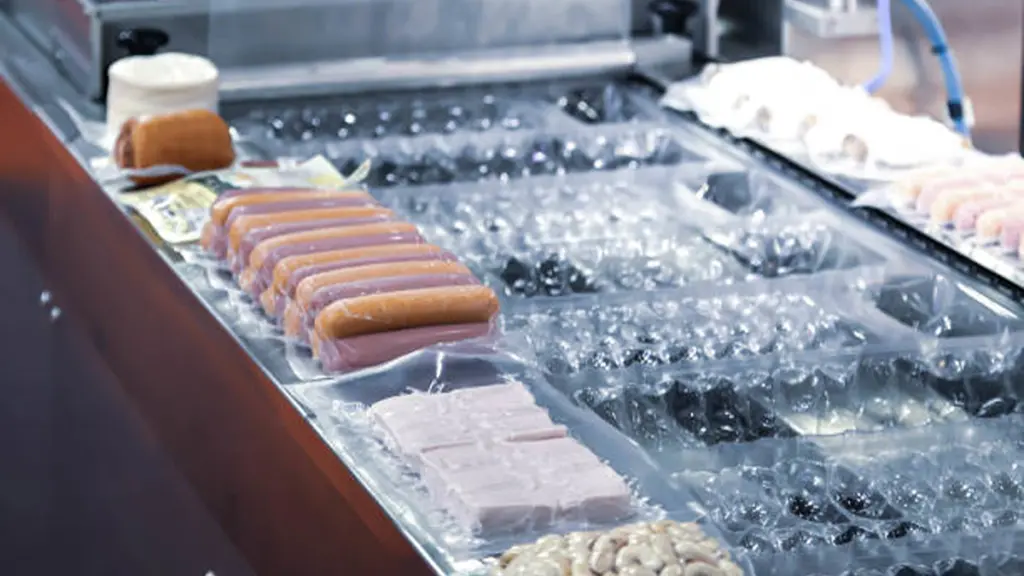
冷凍食品は商品の特性によって包装方法が異なります, 保存期間の目標, 保護の必要性, および生産要件. 適切なフォーマットは、品質を維持しながら梱包効率を向上させるのに役立ちます.
| 梱包方法 | 代表的な用途 | 主な利点 |
|---|---|---|
| フレキシブルなバッグとポーチ | 冷凍野菜, 果物, シーフード, スナック, およびIQF製品 | 材料費が安い, 柔軟なストレージ, 高速 VFFS パッケージング システムとの互換性. |
| 堅いトレイとコンテナ | 冷凍調理済み食品, ポーション肉製品, そして調理済み食品 | 強力な製品保護を提供します, スタッキングの安定性, 電子レンジまたはオーブン加熱のオプション. |
| 板紙カートン | 冷凍ピザ, デザート, 小売業向けの製品 | 強力なブランディングスペースと追加の防湿層による構造サポートを提供します. |
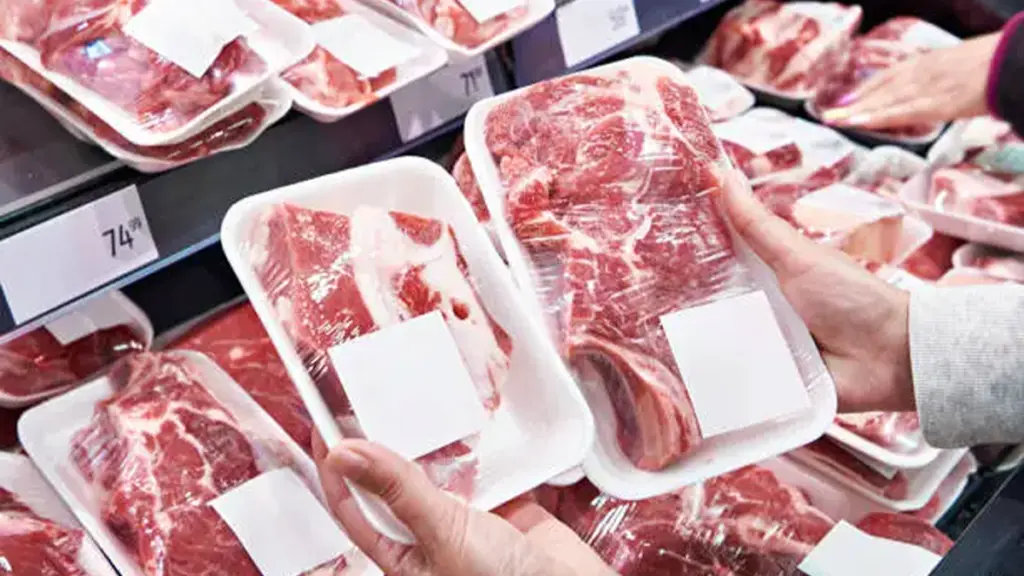
| 真空包装 | 冷凍肉, シーフード, および高価値のタンパク質製品 | 空気を除去して酸化を抑える, 冷凍焼けを制限する, 冷凍保存期間を延長します. |
| 調整された雰囲気のパッケージング (地図) | プレミアムプロテイン, シーフード, 外観保持を必要とする加工食品および加工食品 | 内部ガス組成を制御して製品の品質を保護し、鮮度を維持します. |
選択した梱包方法は、製品要件と生産能力の両方に適合する必要があります。. 大手冷凍食品メーカー様向け, 包装形態, 材料性能, と自動化の互換性を一緒に評価する必要があります.
これをさらに詳しく理解したい場合は、, に関するガイドも読むことができます 冷凍食品包装機: 種類, 利点 & 応用
シーフード向けのカスタムオートメーション & 鶏肉の包装
冷凍食品製造自動化装置
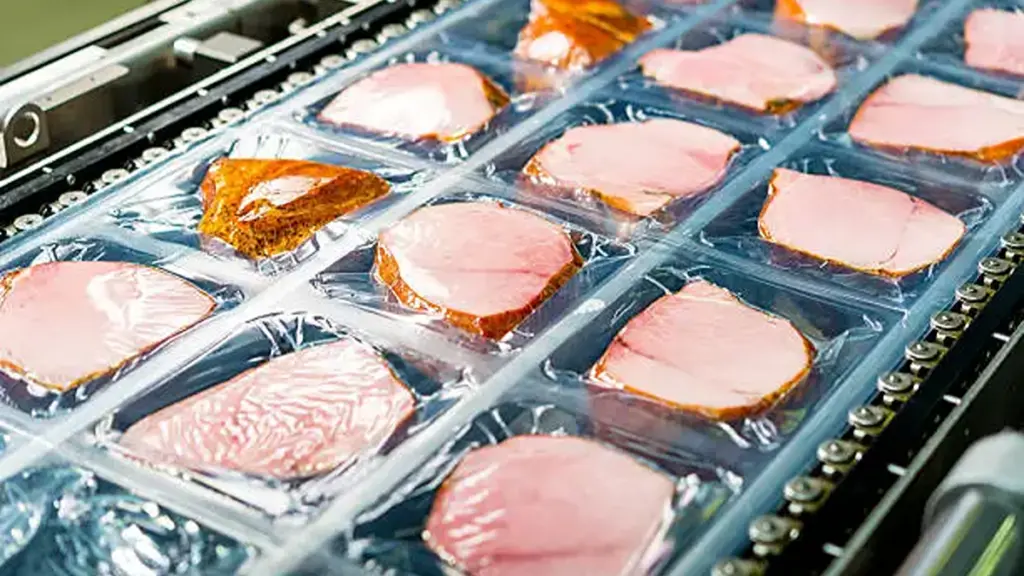
冷凍食品メーカーは、効率を向上させながら製品の品質を維持する自動化システムを必要としています, 一貫性, そして食品の安全性. 加工を接続する完全な生産ライン, 凍結する, 梱包, と品質管理を 1 つの信頼できるワークフローに統合.
加工・冷凍設備
製品の準備と冷凍のパフォーマンスは最終品質に直接影響します. 自動化システムは、製造業者が手作業を減らしながら、梱包前に一貫した製品状態を実現できるように支援します。.
主な装備には以下が含まれます:
- 処理システム: 洗浄, 並べ替え, 切断, および成形装置により製品の一貫性が向上し、食品を効率的に冷凍できるように準備します。.
- エアブラスト冷凍庫: 野菜などのIQF製品によく使用されます。, 果物, シーフード, 継続的な生産をサポートするため、ダイスカット食品.
- 接触冷凍庫と極低温冷凍庫: より速い凍結速度またはより優れた質感保護を必要とする製品に適しています, 魚介類を含む, 肉, そしてプレミアムフード.
自動包装および生産ラインシステム
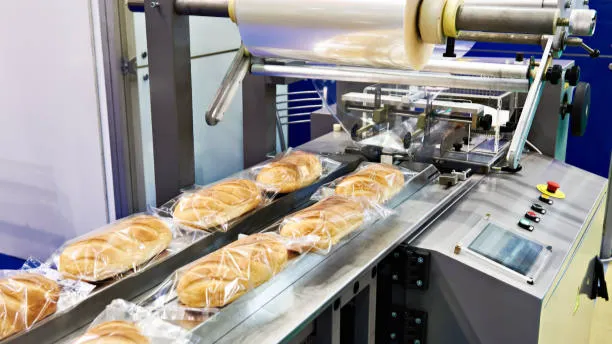
凍結後, 品質を保護し、コールドチェーンのパフォーマンスを維持するために、製品は迅速に梱包される必要があります. 自動包装システムにより速度が向上, 正確さ, さまざまな冷凍食品用途にわたる生産の安定性.
一般的なソリューションには次のものがあります。:
- VFFSマシン: 冷凍野菜にも対応, 果物, スナック, および高速袋詰めを必要とするその他の自由流動製品.
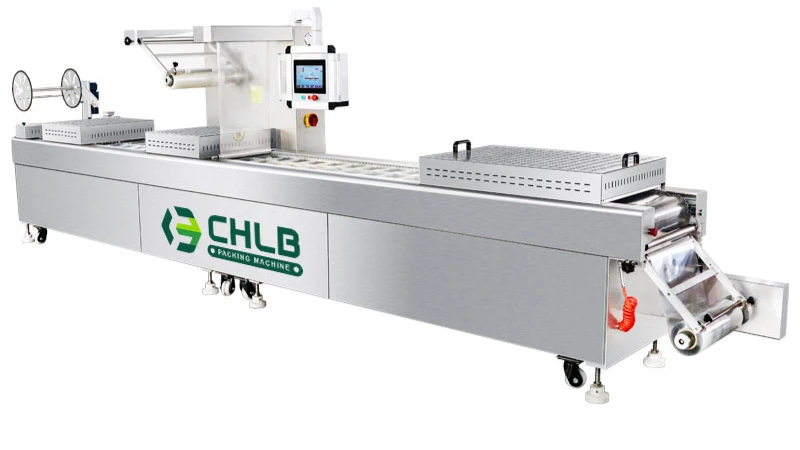
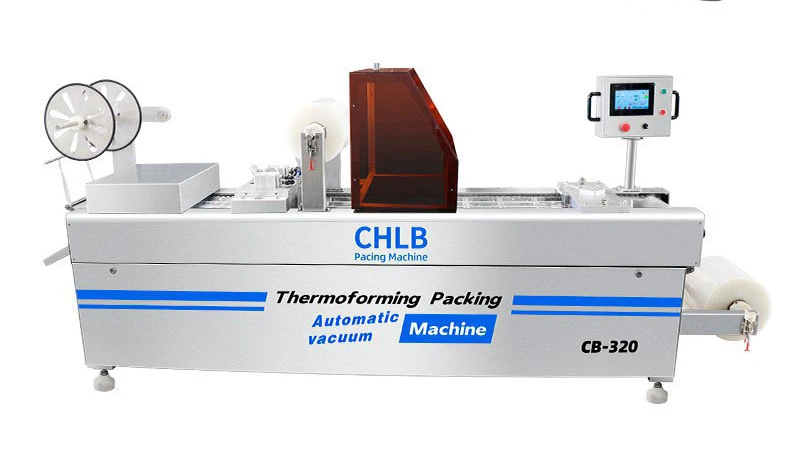
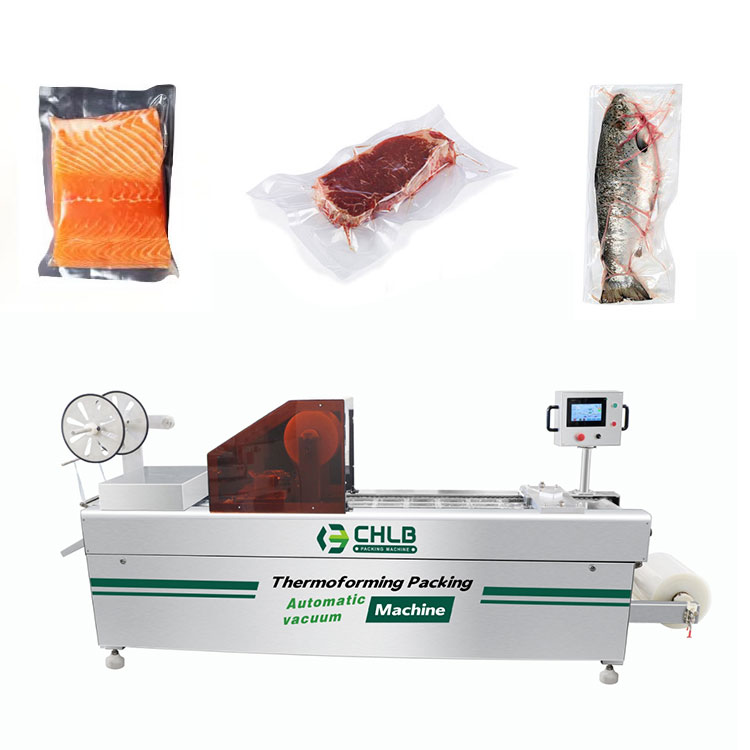
- 熱成形システム: 冷凍食品に使用, 肉製品, 強力なシール性能を必要とするトレイベースのアプリケーション.
- ケース梱包およびパレタイジングシステム: 二次包装を自動化し、最終製品の保管と輸送の準備をします。.
統合ライン制御システム, PLC および SCADA テクノロジーを含む, 機器の同期を支援する, 生産データを監視する, 運用中のダウンタイムを削減します.
衛生的な設計と品質管理機能
冷凍食品の自動化では、厳しい衛生要件と品質要件を満たさなければなりません. 設備設計, 検査システム, および衛生機能が連携して汚染リスクを軽減し、一貫した生産量を維持します。.
重要な機能には以下が含まれます::
- 衛生的な構造: ステンレス鋼材, オープンフレーム構造, 簡単に掃除できる表面により、効率的な衛生管理が可能になります。.
- 検査システム: 金属探知機, X線システム, および画像検査技術により、製品が顧客に届く前に欠陥を特定します.
- ウォッシュダウン保護: 適切に設計されたコンポーネントは、湿った厳しい生産環境での洗浄手順に耐えることができます。.
冷凍商品の包装資材
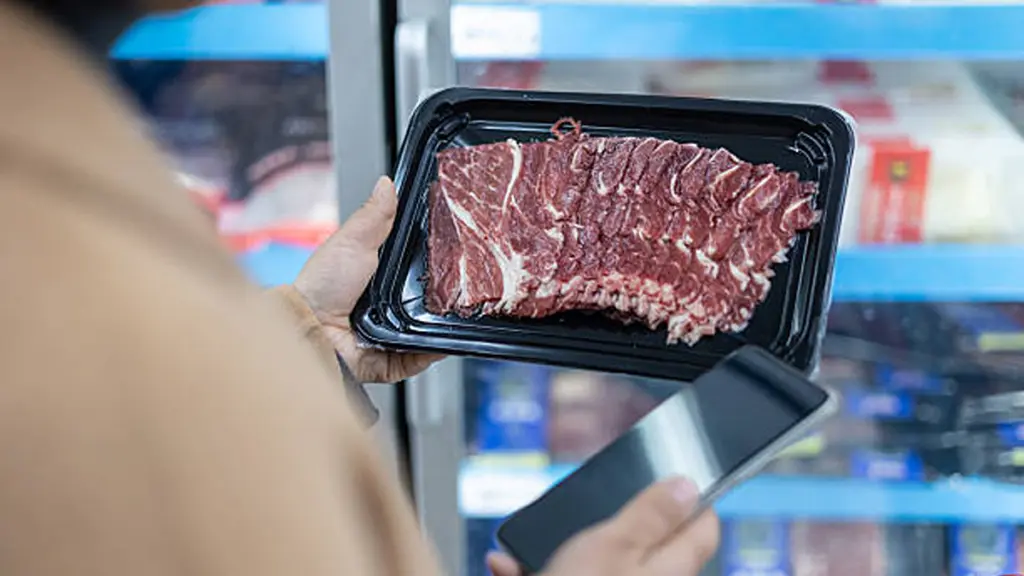
冷凍食品の包装材料は、保護のバランスを保ちながら、極限の条件下でも製品の品質を維持する必要があります。, 生産効率, 持続可能性, および規制要件.
冷凍包装材の主要な性能要件
冷凍環境では、包装材料に特有の課題が生じます. 適切な構造は製品を湿気の損失から保護する必要があります, 酸化, 保管中の物理的損傷, 交通機関, および小売取り扱い.
重要なパフォーマンス要素には次のものがあります。:
- 低温靱性: 凍結中の材料の脆化や亀裂の発生を防ぎます。, 積み重ねる, と交通.
- 防湿性能: 低い水蒸気透過率 (WVTR) 冷凍焼けの軽減に役立ちます, 氷の結晶の形成, そして品質の低下.
- 酸素バリア保護: 低い酸素透過率 (OTR) 酸化を制限する, これは肉にとって特に重要です, シーフード, そして高脂肪の製品.
- シールの強度と耐久性: コールドチェーン全体での温度変化や機械的ストレスが発生しても、パッケージが無傷のままであることを保証します.
一般的な材料とその応用
すべての冷凍製品に適した単一の材料はありません. メーカーは通常、製品の感度に基づいてパッケージ構造を選択します, 保存期間の要件, パッケージ形式, および加工条件.
| 材質の種類 | 一般的なアプリケーション | 主な利点 |
|---|---|---|
| LDPE / HDPE | 冷凍野菜, 果物, IQF製品, 柔軟なバッグ | 費用対効果の高い, 低温でも柔軟, 高速包装に適しています. |
| PP / CPET | 冷凍調理済み食品, トレイ, オーブン対応製品 | 強力な構造を提供し、電子レンジやオーブンの用途をサポートします。. |
| EVOH多層フィルム | 肉, シーフード, 酸素に敏感な冷凍製品 | 柔軟性と耐久性を維持しながら、高い酸素バリア性能を提供します。. |
| コートボール紙 | 冷凍ピザ, デザート, 小売業向けの製品 | 強力な構造とブランディングのための優れた印刷機能を提供します。. |
材料の選択は製品のリスクに適合する必要があります. 例えば, 冷凍魚介類や肉には通常、より強力な酸素バリアと耐突き刺し性が必要です。, 一方、冷凍野菜には主に効果的な湿気保護が必要です.
バランスパフォーマンス, 持続可能性, とコンプライアンス
最新の冷凍食品包装は技術的要件以上のものを満たさなければなりません. メーカーは法規制への準拠も考慮する必要がある, 持続可能性目標, 自動生産システムとの互換性.
主な考慮事項は次のとおりです。:
- 食品との接触に関するコンプライアンス: 材料は適用される規制を満たさなければなりません, FDA または EU の食品接触要件など, サポート文書付き.
- パフォーマンスの検証: WVTRのテスト, OTR, シール強度, 低温耐久性は実際のパフォーマンスの検証に役立ちます.
- 持続可能な構造: モノマテリアルフィルム, PEベースの構造など, 保護を維持しながらリサイクル可能性を向上させるために使用されることが増えています.
- 材料の適合性: 生産上の問題を回避するために、包装構造は既存の充填および密封装置で確実に動作する必要があります。.
冷凍食品包装ソリューションの選び方
冷凍食品の包装ソリューションは製品要件に適合する必要があります, 生産条件, そして将来のビジネスニーズ. 投資前に重要な要素を評価することは、メーカーがリスクを軽減し、長期的な効率を向上させるのに役立ちます.
| 評価要素 | 重要なチェックポイント |
|---|---|
| 製品要件 | 貯蔵寿命, 製品の感度, 保管条件, および交通要件. |
| 包装性能 | バリア特性, シール強度, 耐久性, 凍結条件への適合性. |
| 製品の互換性 | マシンの互換性, 梱包速度, 自動化レベル, 将来の拡張ニーズ. |
| コンプライアンス要件 | 食品との接触に関する基準, サプライヤー認証, 生産前の性能テスト. |
最終評価の重要な要素
包装システムを選択する前に, メーカーはいくつかの実際的な要素を検討する必要があります:
- 製品の用途: パッケージングのパフォーマンスを製品タイプに合わせて調整する, 保存期間の目標, コールドチェーン条件.
- 材料と機械の互換性: 梱包材が既存または計画中の設備でスムーズに動作することを確認します。.
- サプライヤーの能力: テクニカルサポートを評価する, カスタマイズ経験, 高品質のドキュメント.
- 長期的なスケーラビリティ: システムが将来の製品変更や生産拡大に対応できるかどうかを検討する.
完全な評価は、メーカーが不必要なコストを回避し、生産から流通まで信頼性の高いパフォーマンスを提供する冷凍食品包装ソリューションを構築するのに役立ちます。.
製品開発チーム向け, 読むことをお勧めします 適切な自動食品包装システムの選び方.
最終的な考え
冷凍食品の包装には基本的な材料の選択以上のものが必要です. 適切な冷凍食品包装ソリューションはバリア性能のバランスをとる必要があります, 機器の互換性, 冷凍焼けなどのリスクを軽減するためのコンプライアンス要件, 製品の損失, コールドチェーン全体での包装不良.
CHLB を提供します ターンキーパッケージングソリューション 包装設備の統合により食品メーカー向けに, 生産要件, カスタマイズされたシステム設計. CHLB に連絡して、梱包のニーズを評価し、効率を向上させる信頼できるソリューションを構築してください。, 製品の品質を守る, 長期的な生産成長をサポートします.
よくある質問
メーカーが冷凍食品の包装ソリューションを設計する際に考慮すべき課題は何ですか?
冷凍食品の包装は氷点下の温度から製品の品質を保護する必要があります, 水分, および機械的ストレス. 主な課題には、強力な防湿層による冷凍焼けの防止が含まれます。 (低いWVTR), 酸素バリアで脂肪分の多い食品の酸化を止める, 材料が脆くなるのを防ぐために低温亀裂耐性を備えていることを確認します. シールの完全性は輸送中や温度変化中に維持されなければなりません. デザイナーはパフォーマンスのバランスをとる, 料金, 持続可能性に関する規制, 再密封性などの消費者の利便性を高める機能.
冷凍食品工場では、さまざまな製品タイプに応じた包装機器をどのように選択していますか?
工場は製品の物理的状態に合わせて包装機器を選択します (自由に流れる, 壊れやすい, 液体), 必要なパッケージ形式 (バッグ, トレイ, ポーチ), 目標生産速度. 例えば, 野菜のような自由流動性の IQF 製品では、速度と精度を高めるためにマルチヘッド計量機を備えた VFFS マシンが使用されることがよくあります。, 壊れやすい品物は保護のために硬いトレイを使用します. その他の重要な基準には衛生状態も含まれます (ウォッシュダウンデザイン), 低温信頼性, さまざまな SKU に対応する高速切り替え機能.
自動包装をどのようにして冷凍食品の生産効率を向上させることができるか?
自動包装によりスループットが向上し、冷凍食品の生産が大幅に向上します, 人件費の削減, 精度の向上. 高速システムにより効率が 20 ~ 30% 向上し、材料の無駄が最大で削減されます。 15%. マルチヘッド計量機による正確な計量により、製品の過剰充填を最小限に抑えます, 労働力と材料の節約を組み合わせると、12 ~ 18 か月以内に投資を回収できます。. 自動化により、手作業による接触が最小限に抑えられるため、パッケージの品質が安定し、衛生状態が向上します。.
冷凍食品包装材の耐久性を決める要因とは?
冷凍食品包装の耐久性はいくつかの要因によって決まります。. 中でも重要なのは低温での機械的強度です, 凍結時に材料が割れたり脆くなったりしないようにする. 強力な湿気バリア (低い水蒸気透過率) 冷凍焼けを防ぐためには必須です, 優れた酸素バリアが脂肪の多い食品を腐敗から守ります。. さらに, シールの完全性は、温度サイクルや輸送時のストレスに対しても強力な状態を維持する必要があります. 突き刺しに耐える素材の能力, 引き裂く, 圧縮も重要です.
冷凍食品の生産環境において包装機器はどのようにメンテナンスされるべきですか?
冷凍食品工場の包装設備のメンテナンスは衛生面に重点を置いています, 寒くて湿気の多い条件下での信頼性, そしてパフォーマンス. これには、食品に安全な化学薬品を使用した定期的な衛生管理と、機器が簡単に洗浄できるように設計されていることを確認することが含まれます。 (例えば, ステンレス鋼, IP65+ 定格). 予防メンテナンスには食品グレードの使用が含まれます, 低温潤滑剤, 冷たさによってベルトが脆くなっていないか検査する, シールジョーなどの摩耗部品の交換. 重要なことに, 計量器の校正, シーラー, 精度を確保するために金属探知機を定期的に実行する必要があります, 安全性, および食品規制の遵守.