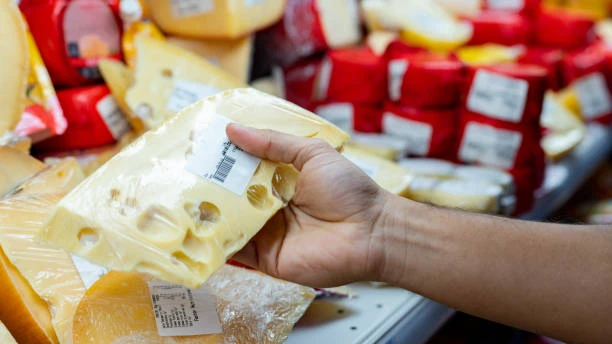
Frozen food manufacturers often face product losses caused by freezer burn, oxidation, seal failures, and packaging materials that cannot withstand harsh cold-chain conditions. A reliable frozen food packaging solutions strategy helps reduce these risks by matching packaging formats, materials, and equipment with specific production requirements.
This guide provides practical insights for manufacturers to avoid costly packaging mistakes, improve product protection, and build a more reliable production process. By evaluating key factors such as barrier performance, equipment compatibility, and automation needs, businesses can develop packaging systems that support consistent quality and long-term operational efficiency.
Challenges of Frozen Food Packaging
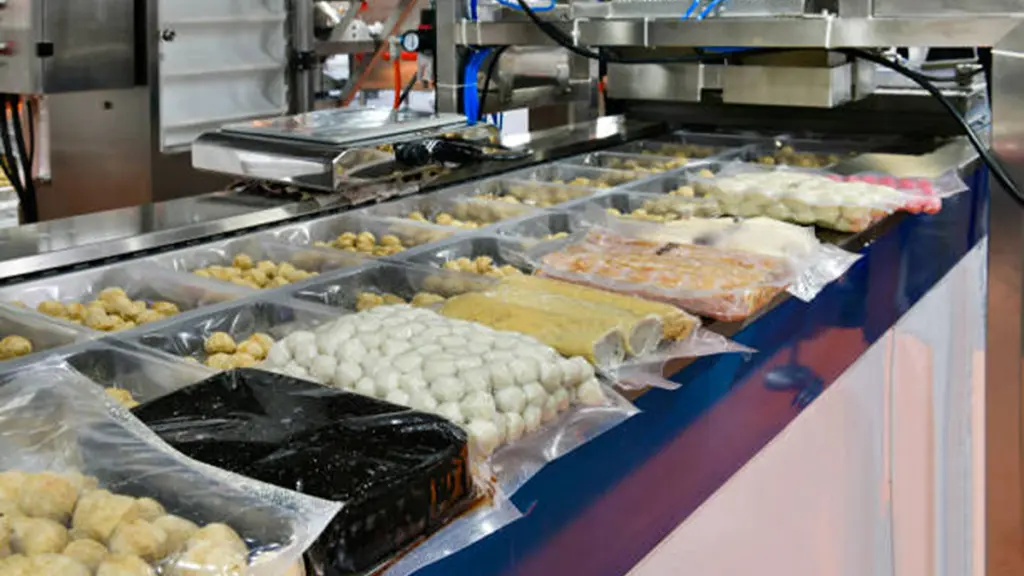
Frozen food manufacturers must protect products from quality loss during freezing, storage, and transportation. Packaging failures can shorten shelf life, increase waste, and reduce production efficiency.
Preventing Freezer Burn and Moisture Loss
Moisture control is one of the biggest challenges in frozen food packaging. When packaging allows moisture to escape, ice crystals can form on the product surface, causing freezer burn, texture changes, and reduced product quality.
The Water Vapor Transmission Rate (WVTR) of packaging materials plays a key role in preventing moisture loss. Products with longer storage periods or higher quality requirements often need stronger moisture barriers to maintain consistency throughout the cold chain.
Controlling Oxidation and Product Quality
Oxygen exposure can negatively affect frozen foods, especially meat, seafood, and prepared meals with higher fat content. Oxidation may cause off-flavors, color changes, and reduced shelf life, creating quality issues after storage and distribution.
High-barrier packaging structures, such as multilayer films with EVOH layers, help limit oxygen transmission while maintaining the flexibility required for frozen applications. The required protection level depends on the product type and expected storage conditions.
Maintaining Packaging Performance in Cold Environments
Low temperatures create additional challenges for packaging materials. Some materials become brittle when frozen, increasing the risk of cracks, seal failures, and damage during transportation.
Reliable frozen packaging needs to maintain strength throughout the entire supply chain. Key performance factors include:
- Cold-crack resistance: Prevents materials from breaking when exposed to freezing temperatures.
- Seal integrity: Keeps packages securely closed during storage and handling.
- Puncture resistance: Protects products from damage caused by sharp edges or external pressure.
Balancing Performance, Cost, and Sustainability
Frozen food packaging must meet both technical and commercial requirements. Manufacturers need materials that provide sufficient protection while remaining compatible with automated packaging equipment and cost targets.
At the same time, sustainability requirements are driving demand for recyclable solutions such as mono-material structures. However, these materials must still deliver the barrier performance needed for frozen applications.
A suitable packaging solution balances product protection, production efficiency, material cost, and long-term operational needs.
Common Frozen Food Packaging Methods
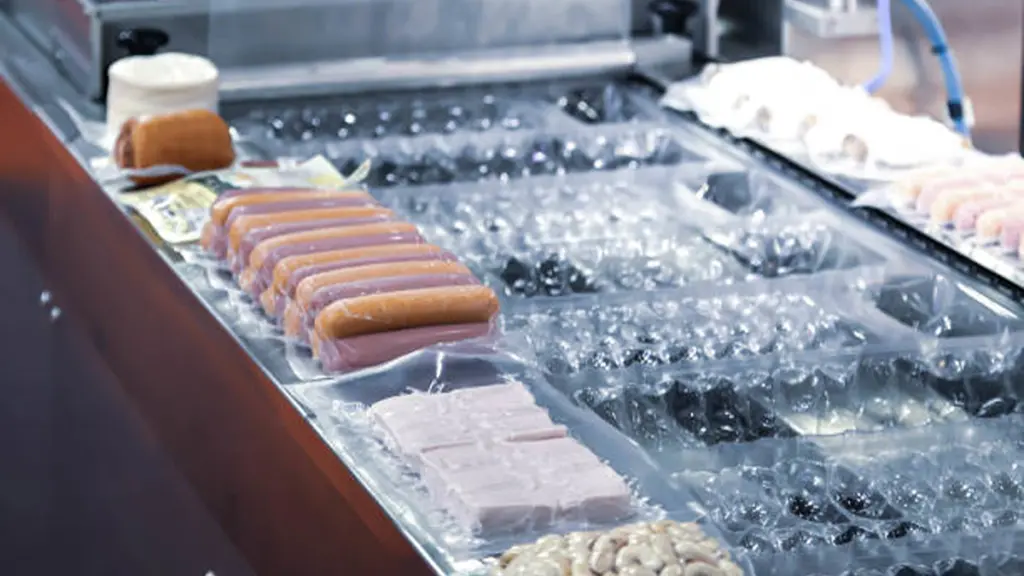
Frozen food packaging methods differ based on product characteristics, shelf-life targets, protection needs, and production requirements. The right format helps maintain quality while improving packaging efficiency.
| Packaging Method | Typical Applications | Key Advantages |
|---|---|---|
| Flexible Bags and Pouches | Frozen vegetables, fruits, seafood, snacks, and IQF products | Low material cost, flexible storage, and compatibility with high-speed VFFS packaging systems. |
| Rigid Trays and Containers | Frozen ready meals, portioned meat products, and prepared foods | Provides strong product protection, stacking stability, and options for microwave or oven heating. |
| Paperboard Cartons | Frozen pizzas, desserts, and retail-focused products | Offers strong branding space and structural support with additional moisture barriers. |
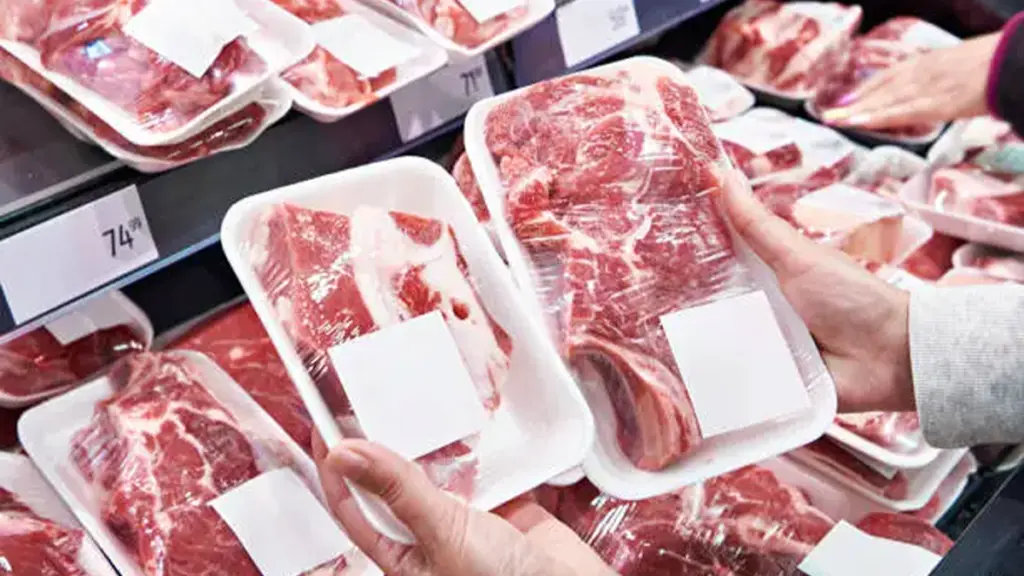
| Vacuum Packaging | Frozen meat, seafood, and high-value protein products | Removes air to reduce oxidation, limit freezer burn, and extend frozen shelf life. |
| Modified Atmosphere Packaging (MAP) | Premium proteins, seafood, and prepared foods requiring appearance retention | Controls internal gas composition to protect product quality and maintain freshness. |
The selected packaging method should match both product requirements and production capabilities. For large-scale frozen food manufacturers, packaging format, material performance, and automation compatibility must be evaluated together.
If you want to understand this in more detail, you can also read our guide on Frozen Food Packaging Machines: Types, Benefits & Application
Custom Automation for Seafood & Poultry Packaging
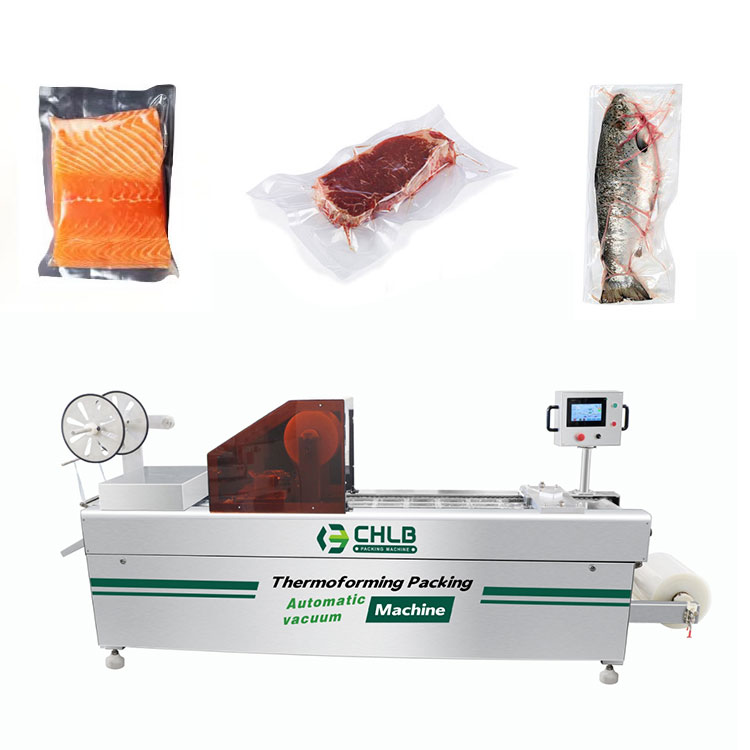
Automated Equipment for Frozen Food Production
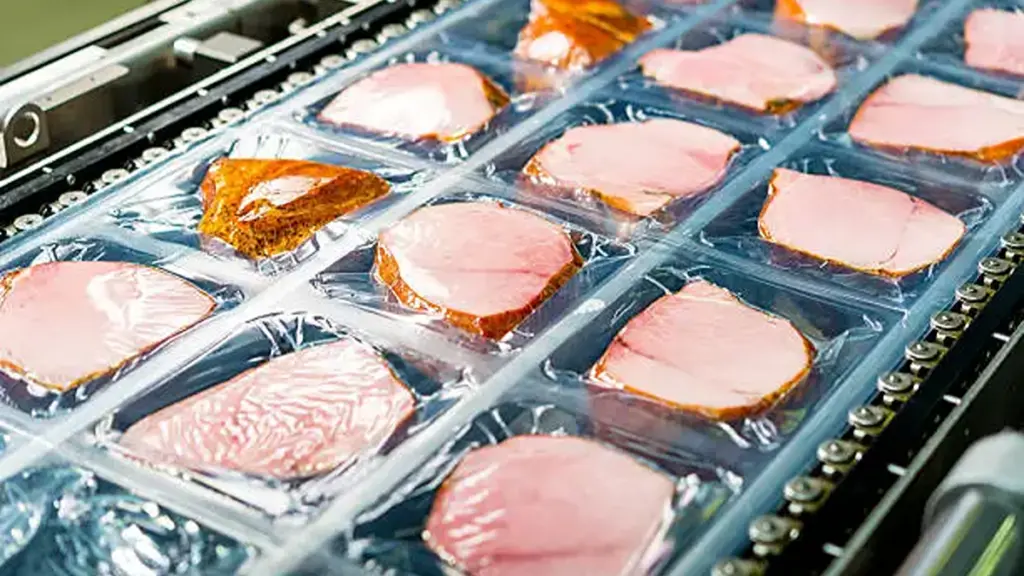
Frozen food manufacturers need automation systems that maintain product quality while improving efficiency, consistency, and food safety. A complete production line connects processing, freezing, packaging, and quality control into one reliable workflow.
Processing and Freezing Equipment
Product preparation and freezing performance directly affect final quality. Automated systems help manufacturers achieve consistent product conditions before packaging while reducing manual handling.
Key equipment includes:
- Processing systems: Washing, sorting, cutting, and forming equipment improve product consistency and prepare foods for efficient freezing.
- Air-blast freezers: Commonly used for IQF products such as vegetables, fruits, seafood, and diced foods because they support continuous production.
- Contact and cryogenic freezers: Suitable for products requiring faster freezing speeds or better texture protection, including seafood, meat, and premium foods.
Automated Packaging and Production Line Systems
After freezing, products must be packaged quickly to protect quality and maintain cold-chain performance. Automated packaging systems improve speed, accuracy, and production stability across different frozen food applications.
Common solutions include:
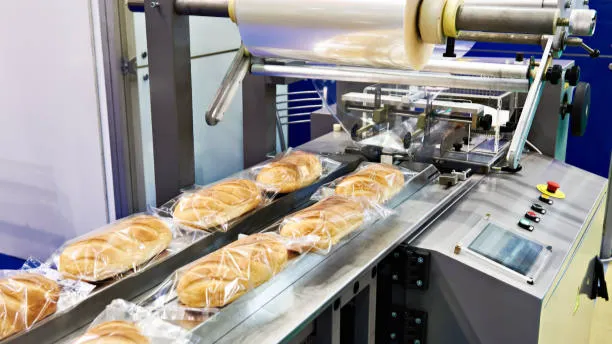
- VFFS machines: Suitable for frozen vegetables, fruits, snacks, and other free-flowing products requiring high-speed bagging.
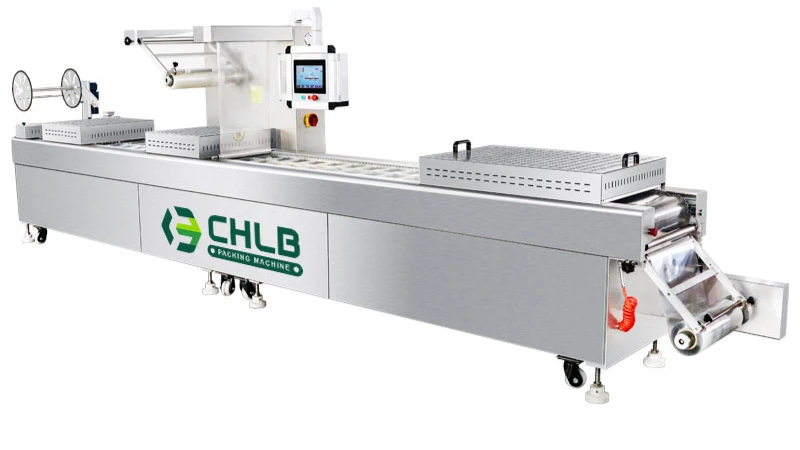
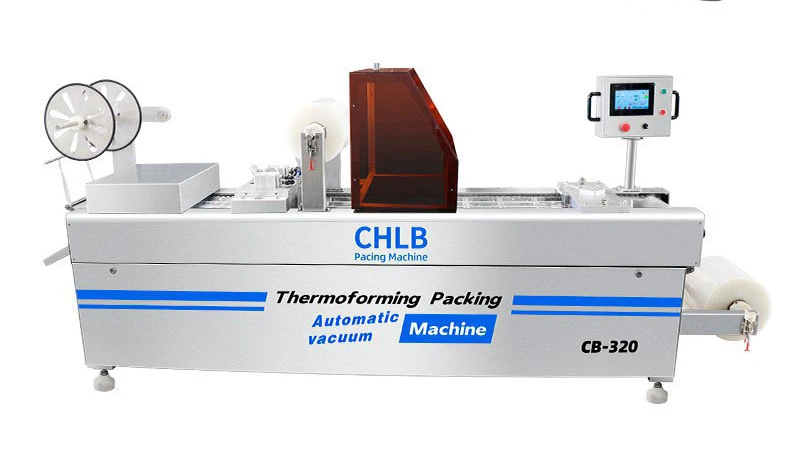
- Thermoforming systems: Used for frozen meals, meat products, and tray-based applications that require strong sealing performance.
- Case packing and palletizing systems: Automate secondary packaging and prepare finished products for storage and transportation.
Integrated line control systems, including PLC and SCADA technologies, help synchronize equipment, monitor production data, and reduce downtime during operation.
Hygienic Design and Quality Control Features
Frozen food automation must meet strict hygiene and quality requirements. Equipment design, inspection systems, and sanitation features work together to reduce contamination risks and maintain consistent output.
Important features include:
- Hygienic construction: Stainless steel materials, open-frame structures, and easy-clean surfaces support efficient sanitation.
- Inspection systems: Metal detectors, X-ray systems, and vision inspection technologies identify defects before products reach customers.
- Washdown protection: Properly designed components withstand cleaning procedures in wet and demanding production environments.
Packaging Materials for Frozen Products
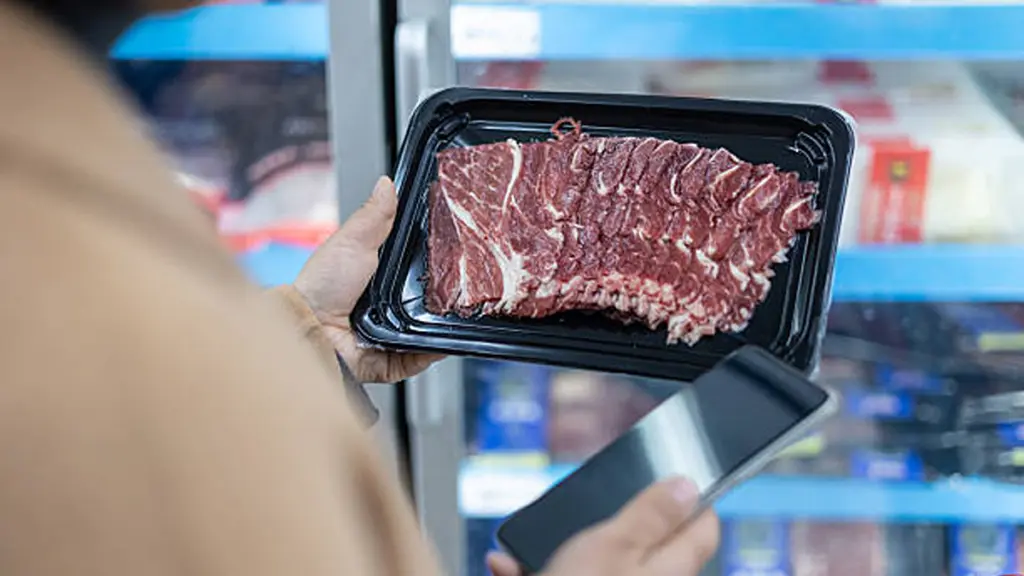
Frozen food packaging materials must maintain product quality under extreme conditions while balancing protection, production efficiency, sustainability, and regulatory requirements.
Key Performance Requirements for Frozen Packaging Materials
Frozen environments create unique challenges for packaging materials. The right structure must protect products from moisture loss, oxidation, and physical damage throughout storage, transportation, and retail handling.
Important performance factors include:
- Low-temperature toughness: Prevents materials from becoming brittle and cracking during freezing, stacking, and transportation.
- Moisture barrier performance: A low Water Vapor Transmission Rate (WVTR) helps reduce freezer burn, ice crystal formation, and quality loss.
- Oxygen barrier protection: A low Oxygen Transmission Rate (OTR) limits oxidation, which is especially important for meat, seafood, and high-fat products.
- Seal strength and durability: Ensures packages remain intact during temperature changes and mechanical stress across the cold chain.
Common Materials and Their Applications
No single material works for every frozen product. Manufacturers usually select packaging structures based on product sensitivity, shelf-life requirements, package format, and processing conditions.
| Material Type | Common Applications | Main Advantages |
|---|---|---|
| LDPE / HDPE | Frozen vegetables, fruits, IQF products, and flexible bags | Cost-effective, flexible at low temperatures, and suitable for high-speed packaging. |
| PP / CPET | Frozen ready meals, trays, and oven-ready products | Provides strong structure and supports microwave or oven applications. |
| EVOH Multilayer Films | Meat, seafood, and oxygen-sensitive frozen products | Provides high oxygen barrier performance while maintaining flexibility and durability. |
| Coated Paperboard | Frozen pizzas, desserts, and retail-focused products | Offers strong structure and excellent printing capability for branding. |
Material selection should match product risks. For example, frozen seafood and meat usually require stronger oxygen barriers and puncture resistance, while frozen vegetables mainly need effective moisture protection.
Balance Performance, Sustainability, and Compliance
Modern frozen food packaging must meet more than technical requirements. Manufacturers also need to consider regulatory compliance, sustainability targets, and compatibility with automated production systems.
Key considerations include:
- Food-contact compliance: Materials must meet applicable regulations, such as FDA or EU food-contact requirements, with supporting documentation.
- Performance validation: Testing for WVTR, OTR, seal strength, and cold-temperature durability helps verify real-world performance.
- Sustainable structures: Mono-material films, such as PE-based structures, are increasingly used to improve recyclability while maintaining protection.
- Material compatibility: Packaging structures must run reliably on existing filling and sealing equipment to avoid production issues.
How to Choose a Frozen Food Packaging Solution
A frozen food packaging solution should match product requirements, production conditions, and future business needs. Evaluating key factors before investment helps manufacturers reduce risks and improve long-term efficiency.
| Evaluation Factor | Key Points to Check |
|---|---|
| Product Requirements | Shelf life, product sensitivity, storage conditions, and transportation requirements. |
| Packaging Performance | Barrier properties, seal strength, durability, and compatibility with freezing conditions. |
| Production Compatibility | Machine compatibility, packaging speed, automation level, and future expansion needs. |
| Compliance Requirements | Food-contact standards, supplier certifications, and performance testing before production. |
Key Factors for Final Evaluation
Before selecting a packaging system, manufacturers should review several practical factors:
- Product Application: Match packaging performance with product type, shelf-life target, and cold-chain conditions.
- Material and Machine Compatibility: Ensure packaging materials can run smoothly on existing or planned equipment.
- Supplier Capability: Evaluate technical support, customization experience, and quality documentation.
- Long-Term Scalability: Consider whether the system can support future product changes and production growth.
A complete evaluation helps manufacturers avoid unnecessary costs and build a frozen food packaging solution that delivers reliable performance from production to distribution.
For product development teams, we recommend reading How to Choose the Right Automated Food Packaging Systems.
Final Thoughts
Frozen food packaging requires more than basic material selection. The right frozen food packaging solution must balance barrier performance, equipment compatibility, and compliance requirements to reduce risks such as freezer burn, product loss, and packaging failures throughout the cold chain.
CHLB provides a Turnkey Packaging Solution for food manufacturers by integrating packaging equipment, production requirements, and customized system design. Contact CHLB to evaluate your packaging needs and build a reliable solution that improves efficiency, protects product quality, and supports long-term production growth.
Frequently Asked Questions
What challenges should manufacturers consider when designing frozen food packaging solutions?
Frozen food packaging must protect product quality against sub-zero temperatures, moisture, and mechanical stress. Key challenges include preventing freezer burn with a strong moisture barrier (low WVTR), stopping oxidation in fatty foods with an oxygen barrier, and ensuring materials have cold-crack resistance to avoid becoming brittle. Seal integrity must hold up during transport and temperature changes. Designers balance performance, cost, sustainability regulations, and consumer convenience features like resealability.
How do frozen food factories choose packaging equipment for different product types?
Factories select packaging equipment by matching it to the product’s physical state (free-flowing, fragile, liquid), required package format (bags, trays, pouches), and target production speed. For example, free-flowing IQF products like vegetables often use VFFS machines with multihead weighers for speed and accuracy, while fragile items use rigid trays for protection. Other crucial criteria include hygiene (washdown design), low-temperature reliability, and fast changeover capabilities for different SKUs.
How can automated packaging improve frozen food production efficiency?
Automated packaging significantly improves frozen food production by increasing throughput, reducing labor costs, and enhancing accuracy. High-speed systems can boost efficiency by 20–30% and cut material waste by up to 15%. Precise weighing from multihead weighers minimizes product overfill, and the combined labor and material savings can lead to an investment payback within 12–18 months. Automation also ensures consistent package quality and better hygiene by minimizing manual contact.
What factors determine the durability of frozen food packaging materials?
The durability of frozen food packaging depends on several factors. Key among them is low-temperature mechanical strength, ensuring the material doesn’t crack or become brittle when frozen. A strong moisture barrier (low Water Vapor Transmission Rate) is essential to prevent freezer burn, while a good oxygen barrier protects fatty foods from rancidity. Additionally, seal integrity must remain strong through temperature cycling and transport stress. The material’s ability to resist puncture, tearing, and compression is also critical.
How should packaging equipment be maintained in frozen food production environments?
Maintaining packaging equipment in frozen food plants focuses on hygiene, reliability in cold and moist conditions, and performance. This involves regular sanitation using food-safe chemicals and ensuring equipment is designed for easy washdown (e.g., stainless steel, IP65+ rating). Preventive maintenance includes using food-grade, low-temperature lubricants, inspecting belts for brittleness caused by cold, and replacing worn parts like sealing jaws. Crucially, calibration of weighers, sealers, and metal detectors must be performed regularly to ensure accuracy, safety, and compliance with food regulations.