Uma linha eficiente de embalagens de alimentos é essencial para fabricantes que buscam aumentar o rendimento, reduzir custos operacionais, e apoiar o crescimento futuro da produção. No entanto, muitas fábricas lutam com layouts ineficientes, etapas de produção desconectadas, e planejamento inadequado do fluxo de trabalho que limita o desempenho da linha e dificulta a expansão.
Este guia explica como projetar uma linha de embalagem de alimentos que funcione como um sistema integrado. Você aprenderá como otimizar o layout, fluxo de produção, coordenação do sistema, e planejamento de automação para melhorar a eficiência, reduzir custos operacionais a longo prazo, e construir uma linha de embalagens escalável que se adapte às mudanças nas demandas de fabricação.
Por que o design eficiente da linha de embalagens de alimentos é importante
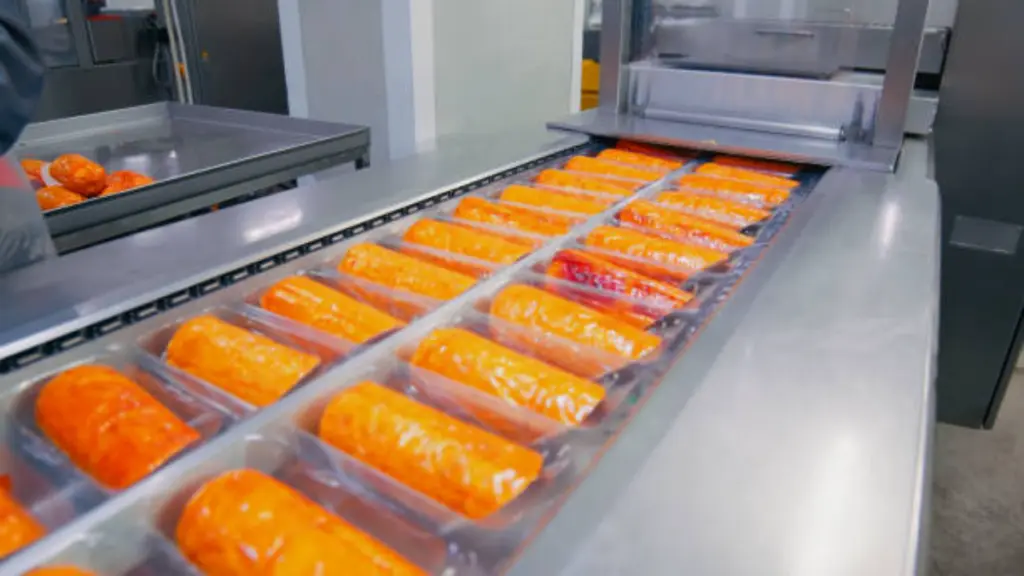
Uma linha de embalagem de alimentos bem estruturada determina a facilidade com que as etapas de produção se conectam, quão estável a produção permanece, e quão eficientemente as fábricas controlam os custos, trabalho, e escalabilidade de longo prazo.
Ineficiências comuns em linhas de embalagem mal projetadas
A maioria dos problemas de produção vem de problemas design de linha de embalagem de alimentos, não da qualidade do equipamento. Quando as etapas não estão devidamente coordenadas, mesmo boas máquinas não conseguem fornecer resultados estáveis.
A incompatibilidade de velocidade entre os processos muitas vezes interrompe o fluxo contínuo, levando a uma produção instável e maior carga de trabalho do operador.
As ineficiências típicas incluem:
- Velocidade de processo desequilibrada: A capacidade desigual do palco cria gargalos
- Fluxo de material interrompido: Os produtos param entre os processos em vez de se moverem continuamente
- Manuseio manual excessivo: Mais transferência humana aumenta a pressão trabalhista e os erros
- Coordenação do sistema fraca: Os estágios upstream e downstream operam de forma independente
- Acesso limitado ao serviço: Espaçamento inadequado aumenta a dificuldade de manutenção
Esses problemas reduzem gradualmente a eficácia geral do equipamento (OEE) e enfraquecer a estabilidade da linha a longo prazo.
Como o layout da linha afeta a produtividade e os custos operacionais
O layout de uma linha de embalagem de alimentos determina a fluidez com que os produtos passam por cada etapa da produção.. O planejamento de layout eficiente reduz movimentos desnecessários e oferece suporte estável, operação contínua em todo o sistema.
O mau design do layout aumenta a distância de manuseio e cria ineficiências na produção diária. Estas questões afetam gradualmente a produtividade e os custos operacionais a longo prazo.
| Fator de projeto | Linha Otimizada | Layout ruim |
|---|---|---|
| Fluxo de produto | Contínuo e estável | Fragmentado e desigual |
| Uso de mão de obra | Eficiente e equilibrado | Alto e inconsistente |
| Coordenação do sistema | Sincronizado | Desconectado |
| Acesso de manutenção | Fácil | Restrito |
| Desempenho de custos | Previsível | Aumentando ao longo do tempo |
Na maioria das fábricas, as decisões de layout influenciam mais a eficiência a longo prazo do que o desempenho individual do equipamento.
Como o design do layout influencia a eficiência do trabalho e a estabilidade da produção
O design do layout determina como os operadores interagem com a linha de embalagem de alimentos e afeta diretamente a eficiência da produção. Um layout bem planejado reduz movimentos desnecessários, melhora a coordenação entre os estágios, e permite que os operadores gerenciem vários processos enquanto mantêm o desempenho estável do sistema.
As principais melhorias incluem:
- Manuseio manual reduzido: Menos transferência de produto entre etapas
- Maior utilização do equipamento: As máquinas operam mais próximas da capacidade projetada
- Melhor cobertura da operadora: Um operador gerencia vários processos
- Menor custo indireto de mão de obra: Carga de trabalho de coordenação reduzida
- Saída mais estável: Menos interrupções no fluxo de produção
O desempenho da linha de embalagem moderna depende menos da velocidade da máquina e mais de quão bem o sistema está estruturado e equilibrado.
Fatores-chave que influenciam o design da linha de embalagens de alimentos
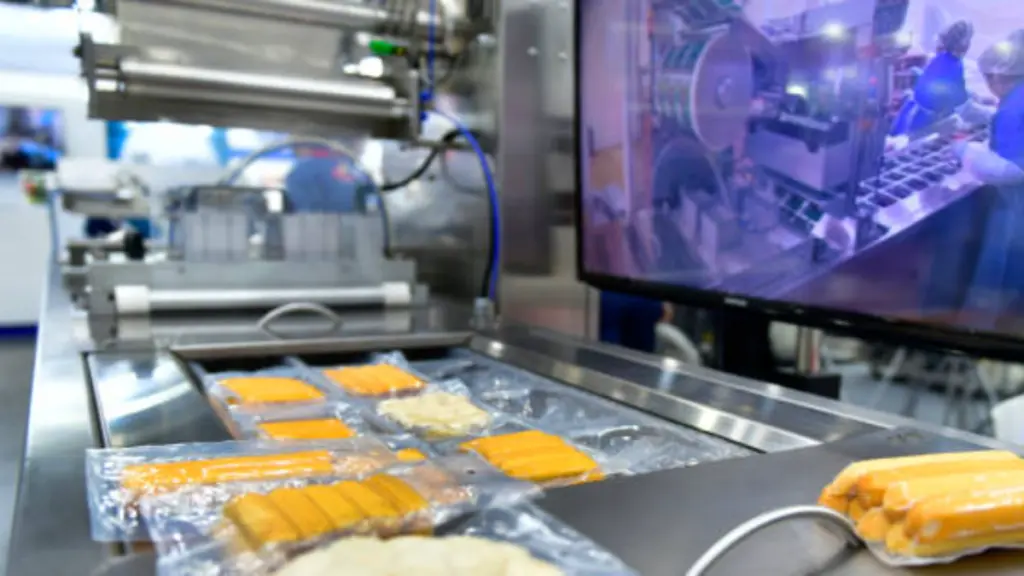
O projeto de uma linha de embalagem de alimentos depende de vários fatores interconectados que definem o desempenho do sistema, incluindo características do produto, condições de fábrica, e nível de automação em todo o fluxo de produção.
Tipo de produto, formato de embalagem, e capacidade de produção
As características do produto estabelecem a base para o design da linha de embalagens de alimentos, pois diferentes tipos de alimentos exigem diferentes métodos de manuseio e velocidades de processo.
- Nível de fragilidade: Determina a precisão do manuseio e o controle do transportador
- Formato da embalagem: Afeta a formação, enchimento, e seleção do sistema de vedação
- Requisito de velocidade de produção: Define a velocidade da máquina e a estratégia de balanceamento de linha
Produtos frágeis precisam de movimento controlado, enquanto produtos de alto volume exigem operação estável em alta velocidade.
Layout de fábrica, restrições de espaço, e direção do fluxo de trabalho
As condições da fábrica determinam diretamente como uma linha de embalagem de alimentos é organizada e conectada. Disponibilidade de espaço, estrutura do edifício, e o posicionamento da utilidade influenciam as decisões de layout do equipamento.
Um layout bem planejado permite uma direção suave do fluxo de trabalho, desde a entrada da matéria-prima até a saída final da embalagem. Isso reduz movimentos desnecessários e ajuda a manter o fluxo de produção contínuo.
Quando o espaço é limitado, design compacto torna-se necessário. No entanto, a eficiência ainda deve orientar a estratégia de layout, otimizando o posicionamento dos equipamentos e garantindo um fluxo estável de materiais em todas as etapas.
Nível de automação e requisitos de integração
A automação melhora a consistência da produção e reduz a carga de trabalho manual, mas a verdadeira eficiência só aparece quando todas as máquinas operam sob um sistema coordenado. Sem integração adequada, lacunas de tempo entre processos ainda podem interromper o fluxo de produção.
- Nível de controle: Define como a produção é dividida entre operação manual e controle do sistema
- Integração de sistema: Garante operação sincronizada em todas as máquinas da linha
- Estabilidade de produção: Reduz flutuações na velocidade e qualidade de saída
Uma linha de embalagem de alimentos totalmente integrada utiliza controle centralizado para conectar a alimentação a montante, embalagem principal, e processos de manuseio downstream, mantendo o fluxo de produção contínuo e estável.
Projete uma linha de embalagem de alimentos mais inteligente com a CHLB
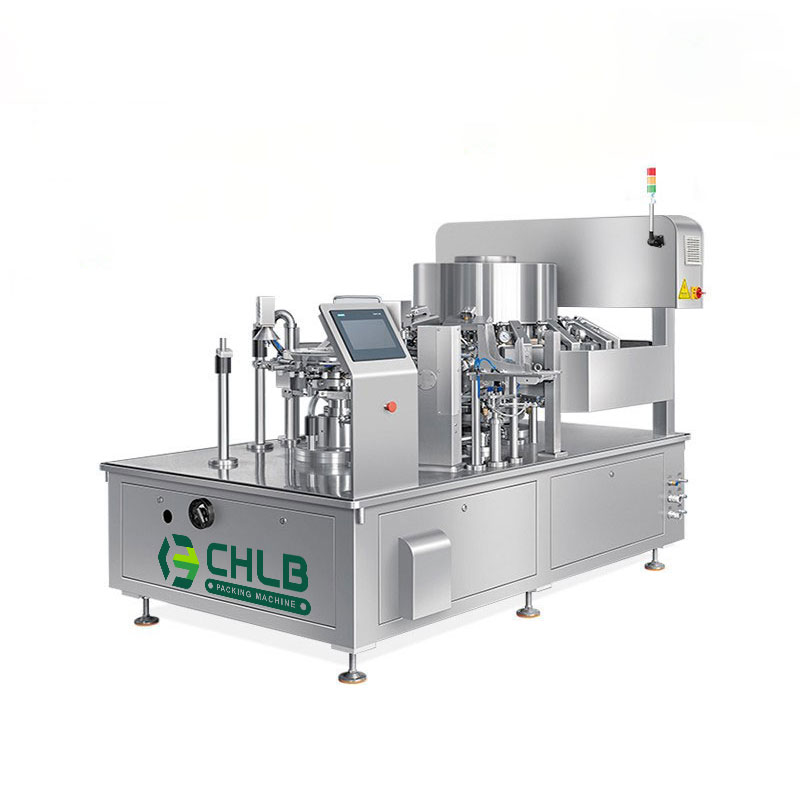
Como projetar um layout de linha de embalagem de alimentos eficiente
Layout eficiente da linha de embalagem de alimentos com foco no fluxo de produção, alinhamento de capacidade, e equilíbrio do sistema para garantir uma produção estável e um movimento suave do material em todas as etapas.
Requisitos de produção e abordagem de design baseada na capacidade
O design do layout começa com a demanda de produção. Uma linha de embalagem de alimentos deve corresponder ao volume de produção esperado, tipo de produto, e velocidade de embalagem antes do início da seleção do equipamento.
Diferentes níveis de capacidade requerem diferentes lógicas de sistema. Linhas de pequena escala focam na flexibilidade, enquanto a produção de alto volume prioriza o fluxo contínuo e a produtividade estável.
As principais considerações incluem:
- Alvo de saída: Define a velocidade geral da linha e a escala do sistema
- Variação do produto: Influencia a flexibilidade da máquina e o design de troca
- Planejamento de crescimento: Permite expansão futura da capacidade sem redesenho completo
Uma abordagem orientada pela capacidade garante que a linha tenha um desempenho consistente sob condições reais de produção.
Otimização do fluxo de materiais de montante para jusante
O fluxo de material determina a suavidade com que os produtos se movem pela linha de embalagem de alimentos. Um fluxo bem projetado reduz o tempo de espera, evita congestionamento, e mantém a produção contínua.
O design de fluxo eficiente concentra-se em:
- Movimento contínuo: Evite parar entre processos
- Curta distância de transferência: Reduza o tempo de manuseio e a perda de energia
- Velocidade de estágio balanceada: Evite o acúmulo entre máquinas
Estratégia de utilização do espaço e posicionamento de equipamentos
O espaço da fábrica afeta diretamente a forma como uma linha de embalagem de alimentos pode ser organizada. Um bom planejamento de layout utiliza o espaço disponível de forma eficiente, mantendo caminhos de produção claros.
O posicionamento do equipamento deve apoiar o acesso de operação e manutenção. As máquinas não devem apenas caber no espaço, mas também permitir que os operadores trabalhem com segurança e eficiência.
Os princípios-chave incluem:
- Zoneamento lógico: Alimentação separada, embalagem, e áreas de saída
- Espaço de acesso para manutenção: Garanta uma manutenção fácil sem parar a linha
- Layout compacto, mas claro: Reduza o espaço desperdiçado enquanto mantém o fluxo visível
Princípios de prevenção de gargalos e balanceamento de linha
Gargalos são uma das principais causas de ineficiência em uma linha de embalagens de alimentos. Eles geralmente aparecem quando um processo é executado mais rápido ou mais devagar que outros, quebrando o equilíbrio do sistema.
O balanceamento de linha garante que todos os estágios operem em velocidades compatíveis e mantenham o fluxo estável em todo o sistema.
Princípios importantes incluem:
- Sincronização de processos: Alinhe as velocidades upstream e downstream
- Correspondência de capacidade: Evite sobrecarregar máquinas individuais
- Controle de buffer: Use zonas de acumulação controladas quando necessário
Você pode aprender mais sobre O guia definitivo para solução de linha de embalagem Back Seal em nosso artigo dedicado.
Estrutura típica de um sistema de linha de embalagem de alimentos
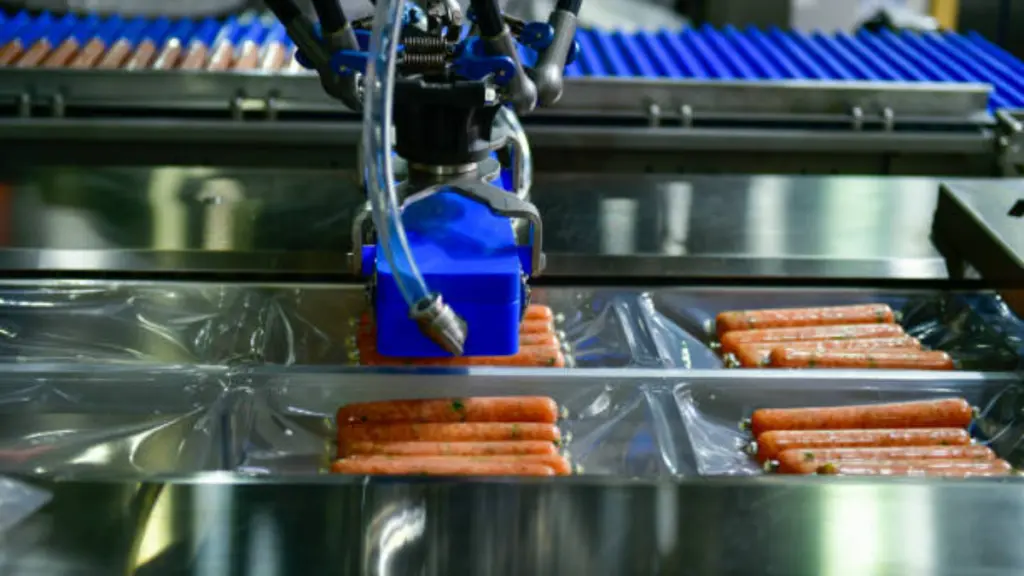
Uma linha de embalagem de alimentos normalmente é construída como um sistema conectado com três seções principais. Cada seção desempenha uma função diferente, mas todas as peças trabalham juntas para garantir um fluxo de produção contínuo e estável.
Sistemas upstream para alimentação e preparação de material
A seção upstream prepara e entrega materiais na linha de embalagem de alimentos. Garante que os produtos entrem no sistema em condições estáveis e controladas, que suporta processamento downstream consistente.
Esta fase geralmente inclui alimentação, pesagem, porcionamento, ou manuseio inicial do produto, dependendo do tipo de alimento e dos requisitos de produção.
As principais funções incluem:
- Alimentação de materiais: Fornece produtos crus ou semiprocessados na linha
- Controle de pré-processamento: Garante a consistência do produto antes da embalagem
- Estabilização de fluxo: Mantém entrada constante para sistemas downstream
Sistemas de embalagem central para formação, enchimento e selagem
A seção de embalagem principal é a parte central da linha de embalagem de alimentos. Determina diretamente a qualidade da embalagem, velocidade, e consistência.
Esta etapa trata do principal processo de transformação onde os produtos são transformados em embalagens finais, preenchido, e selado de acordo com as especificações exigidas.
Funções típicas incluem:
- Processo de formação: Molda o material de embalagem na estrutura necessária
- Processo de enchimento: Mede e carrega o produto na embalagem
- Processo de vedação: Garante a proteção do produto e estabilidade nas prateleiras
Sistemas downstream para inspeção e automação de fim de linha
A seção a jusante cuida do controle de qualidade e da preparação da embalagem final antes do armazenamento ou envio. Garante que apenas produtos qualificados avancem na cadeia de abastecimento.
Esta etapa melhora a confiabilidade da produção, detectando defeitos e organizando os produtos acabados de forma eficiente..
As principais funções incluem:
- Sistemas de inspeção: Detectar peso, qualidade do selo, e defeitos de embalagem
- Embalagem e agrupamento: Organize os produtos em embalagens secundárias
- Sistemas de paletização: Preparar mercadorias para armazenamento e logística
Como os sistemas de linha de embalagem de alimentos operam e sincronizam
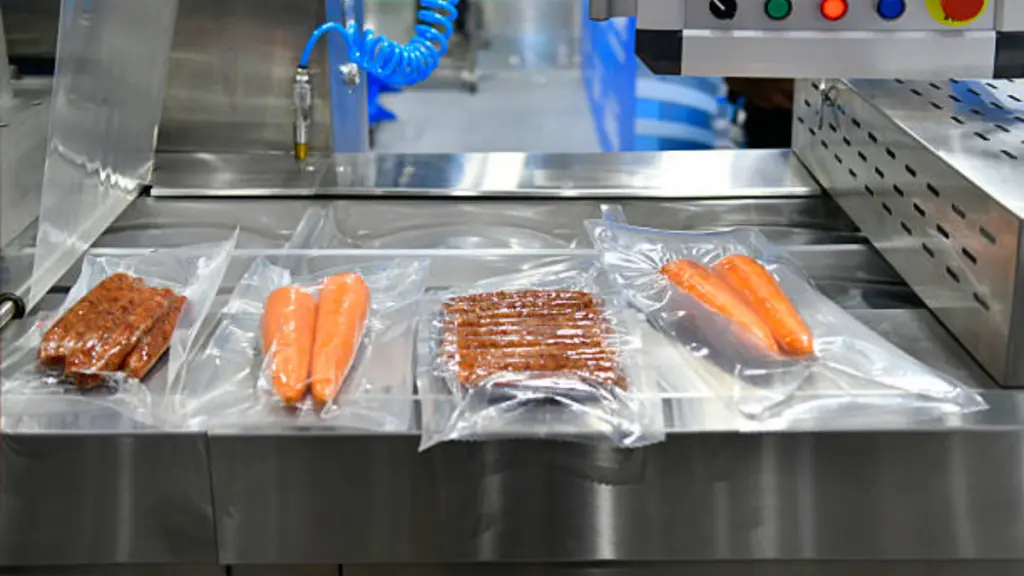
A produção tranquila depende de mais do que o desempenho do equipamento. UM linha de embalagem de alimentos alcança maior eficiência quando cada processo se comunica e opera como um sistema coordenado.
Controle PLC e coordenação centralizada do sistema
Um PLC atua como controlador central da linha de embalagem. Ele coordena os sinais da máquina, velocidade de operação, e tempo de produção através de uma plataforma de controle, permitindo que toda a linha responda de forma consistente em vez de depender de controles de máquina separados.
Esta abordagem centralizada também torna a produção mais fácil de monitorar e ajustar, ajudando os operadores a manter uma operação eficiente à medida que as condições de produção mudam.
Sincronização de máquinas e fluxo de produção contínuo
A sincronização mantém todas as etapas da produção operando em um ritmo compatível. Em vez de maximizar a velocidade de máquinas individuais, os fabricantes equilibram a capacidade de produção em toda a linha para manter o fluxo contínuo do produto.
Quando os processos upstream e downstream permanecem alinhados, a linha de embalagem reduz gargalos, minimiza o acúmulo de produto, e alcança um rendimento mais consistente.
Integração de automação para estabilidade e intervenção manual reduzida
A integração da automação permite que diferentes máquinas e sistemas de controle trabalhem juntos automaticamente, em vez de depender de ajustes manuais frequentes.
Suas principais vantagens incluem:
- Menor intervenção manual: Reduza os ajustes de rotina do operador durante a produção.
- Desempenho mais consistente: Mantenha a produção estável em condições de produção em constante mudança.
- Maior escalabilidade: Simplifique futuras expansões de linhas e atualizações de equipamentos.
Como otimizar a eficiência e o ROI no design da linha de embalagem
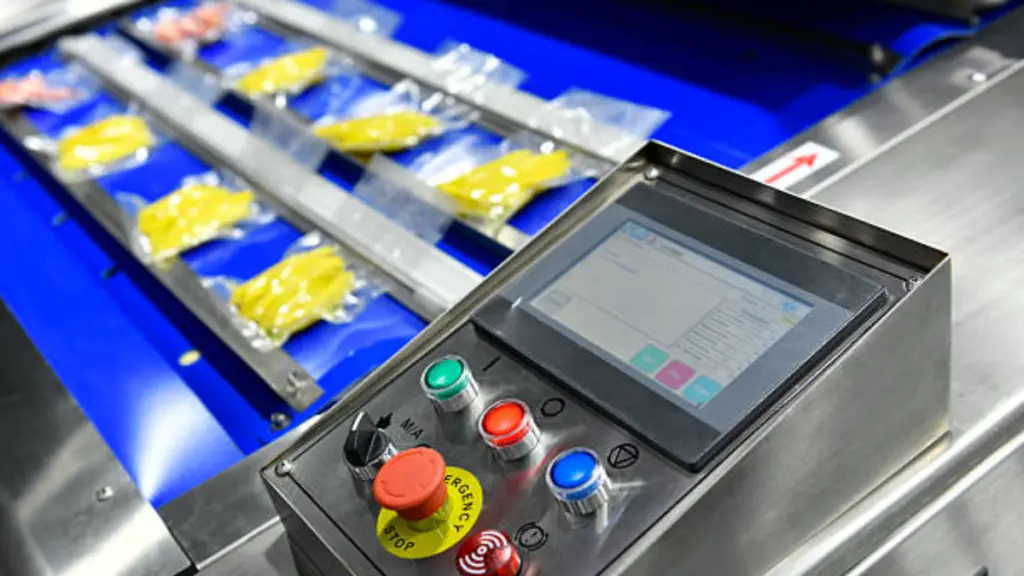
Um bem desenhado linha de embalagem de alimentos cria valor além da produção diária. Maior eficiência, custos operacionais mais baixos, e maior flexibilidade trabalham em conjunto para melhorar o retorno do investimento a longo prazo.
Reduzindo o tempo de inatividade e melhorando o balanceamento da linha
O tempo de inatividade da produção geralmente resulta de gargalos e não de falhas do equipamento. Quando cada etapa da linha de embalagem opera com capacidade equilibrada, os produtos se movem mais suavemente pelo sistema, melhorando a utilização do equipamento e reduzindo interrupções desnecessárias.
| Foco na otimização | Benefício Operacional |
|---|---|
| Capacidade de produção equilibrada | Reduza gargalos e tempo de espera |
| Fluxo contínuo de materiais | Melhorar a utilização do equipamento |
| Ritmo de produção coordenado | Manter a produção estável |
Redução da dependência laboral e dos custos operacionais
O aumento dos custos trabalhistas torna a eficiência operacional mais importante do que nunca. Um otimizado linha de embalagem de alimentos reduz o trabalho manual desnecessário e melhora a utilização geral dos recursos.
As principais melhorias de redução de custos incluem:
- Manuseio manual reduzido: Minimize a transferência de produtos entre etapas de produção.
- Maior eficiência de trabalho: Permitir que os operadores supervisionem vários processos simultaneamente.
- Custos operacionais mais baixos: Reduza a necessidade de mão de obra enquanto mantém uma qualidade de produção consistente.
Melhorando a escalabilidade para expansão futura da produção
A demanda de produção muda ao longo do tempo à medida que os fabricantes introduzem novos produtos, formatos de embalagem, ou metas de produção mais altas. Um escalável linha de embalagem de alimentos facilita essas transições porque a expansão futura é considerada durante a fase inicial do projeto.
Reservando espaço de instalação, usando interfaces padronizadas, e adotando arquitetura de controle flexível, os fabricantes podem integrar equipamentos adicionais com interrupção mínima. Esta abordagem protege o investimento original e reduz o custo e a complexidade de atualizações futuras.
Perguntas frequentes
Quanto tempo leva para projetar e instalar uma linha de embalagem de alimentos?
O cronograma depende da capacidade de produção, formato de embalagem, e complexidade do projeto. A maioria dos projetos de linhas de embalagens de alimentos inclui análise de requisitos, projeto de layout, fabricação de equipamentos, instalação, comissionamento, e treinamento de operadores. Trabalhar com um fornecedor pode reduzir o cronograma geral através de uma melhor coordenação do projeto.
Uma linha de embalagem de alimentos existente pode ser atualizada em vez de substituída??
Sim. Muitos fabricantes melhoram a eficiência atualizando seções selecionadas em vez de substituir a linha inteira. Atualizações comuns incluem alimentação automatizada, sistemas de inspeção, embalagem, paletização, ou controle centralizado, dependendo da condição da linha de produção existente.
Como escolho o nível de automação certo para minha fábrica?
O nível de automação certo depende do volume de produção, variedade de produtos, custos trabalhistas, orçamento de investimento, e planos de expansão futuros. A melhor solução nem sempre é a automação total, mas que apoie seus objetivos de produção e ao mesmo tempo permita espaço para atualizações futuras.
Uma linha de embalagem de alimentos pode lidar com vários tipos de produtos??
Sim. Uma linha flexível de embalagens de alimentos pode acomodar diferentes tamanhos de produtos e formatos de embalagens por meio de equipamentos modulares, sistemas de transporte ajustáveis, e controles programáveis. Isso melhora a flexibilidade de produção e reduz custos de modificação futura.
Considerações Finais
Projetando um linha de embalagem de alimentos eficiente requer mais do que selecionar equipamentos avançados. O sucesso vem da construção de um sistema coordenado que corresponda aos seus produtos, metas de produção, layout de fábrica, e planos de expansão futuros. Uma linha bem projetada melhora a produtividade, reduz custos operacionais, e cria uma base mais sólida para o desempenho de produção a longo prazo.
No Chlb, nós fornecemos serviços de linha de embalagem de alimentos prontos para uso, cobrindo planejamento de layout, integração de equipamentos, fabricação, instalação, e comissionamento. Esteja você construindo uma nova linha de produção ou atualizando uma instalação existente, nós ajudamos você a desenvolver soluções confiáveis, soluções de embalagem escaláveis que apoiam o crescimento dos negócios a longo prazo.