Una línea eficiente de envasado de alimentos Es esencial para los fabricantes que buscan aumentar el rendimiento., reducir los costos operativos, y apoyar el crecimiento futuro de la producción. Sin embargo, muchas fábricas luchan con diseños ineficientes, etapas de producción desconectadas, y una mala planificación del flujo de trabajo que limita el rendimiento de la línea y dificulta la expansión.
Esta guía explica cómo diseñar una línea de envasado de alimentos que funcione como un sistema integrado.. Aprenderá cómo optimizar el diseño., flujo de producción, coordinación del sistema, y planificación de la automatización para mejorar la eficiencia, reducir los costos operativos a largo plazo, y construir una línea de embalaje escalable que se adapte a las cambiantes demandas de fabricación.
Por qué es importante el diseño eficiente de una línea de envasado de alimentos
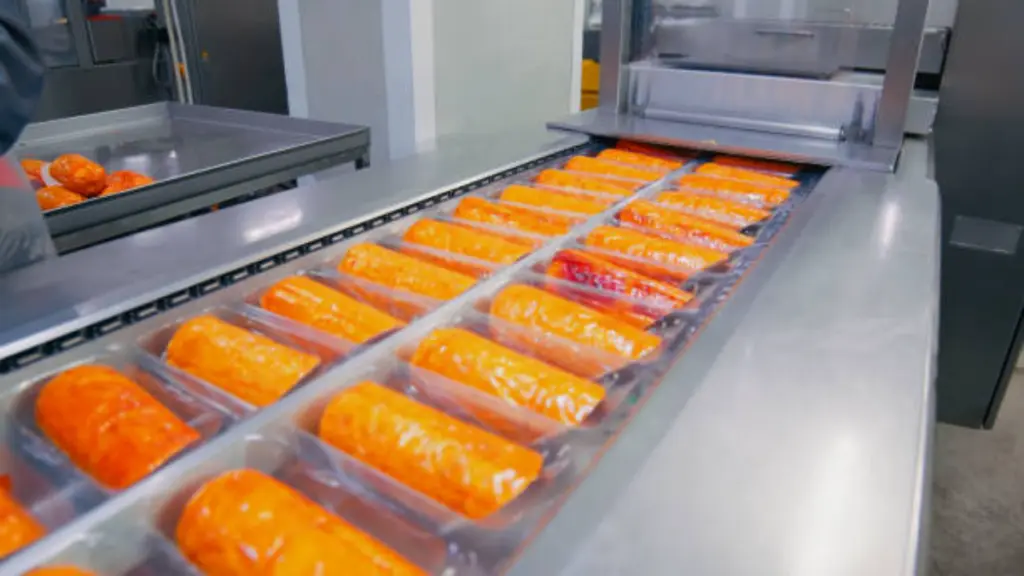
Una línea de envasado de alimentos bien estructurada determina la fluidez con la que se conectan las etapas de producción, qué tan estable se mantiene la producción, y con qué eficiencia las fábricas controlan los costos, mano de obra, y escalabilidad a largo plazo.
Ineficiencias comunes en líneas de envasado mal diseñadas
La mayoría de los problemas de producción provienen de débiles diseño de línea de envasado de alimentos, no por la calidad del equipo. Cuando las etapas no están coordinadas adecuadamente, Incluso las buenas máquinas no logran ofrecer una producción estable.
El desajuste de velocidad entre procesos a menudo interrumpe el flujo continuo, lo que lleva a una producción inestable y una mayor carga de trabajo del operador.
Las ineficiencias típicas incluyen:
- Velocidad de proceso desequilibrada: La capacidad desigual del escenario crea cuellos de botella
- Flujo de material interrumpido: Los productos se detienen entre procesos en lugar de moverse continuamente
- Manipulación manual excesiva: Una mayor transferencia humana aumenta la presión laboral y los errores
- Coordinación débil del sistema: Las etapas aguas arriba y aguas abajo funcionan de forma independiente
- Acceso limitado al servicio: Un espaciamiento deficiente aumenta la dificultad de mantenimiento
Estos problemas reducen gradualmente la eficacia general del equipo. (OEE) y debilitar la estabilidad de la línea a largo plazo.
Cómo el diseño de la línea afecta la productividad y los costos operativos
El diseño de una línea de envasado de alimentos determina la fluidez con la que los productos se mueven en cada etapa de producción.. La planificación de diseño eficiente reduce el movimiento innecesario y mantiene estable, funcionamiento continuo en todo el sistema.
Un diseño deficiente aumenta la distancia de manejo y crea ineficiencias en la producción diaria.. Estos problemas afectan gradualmente tanto la productividad como los costos operativos a largo plazo..
| Factor de diseño | Línea optimizada | Diseño deficiente |
|---|---|---|
| Flujo de producto | Continuo y estable | Fragmentado y desigual |
| Uso de mano de obra | Eficiente y equilibrado | Alto e inconsistente |
| Coordinación del sistema | sincronizado | Desconectado |
| Acceso de mantenimiento | Fácil | Restringido |
| Rendimiento de costos | Previsible | Aumentando con el tiempo |
En la mayoría de las fábricas, Las decisiones de diseño influyen en la eficiencia a largo plazo más que el rendimiento del equipo individual..
Cómo el diseño de distribución influye en la eficiencia laboral y la estabilidad de la producción
El diseño del diseño determina cómo los operadores interactúan con la línea de envasado de alimentos y afecta directamente la eficiencia de la producción.. Un diseño bien planificado reduce el movimiento innecesario, mejora la coordinación entre etapas, y permite a los operadores gestionar múltiples procesos manteniendo un rendimiento estable del sistema.
Las mejoras clave incluyen:
- Manipulación manual reducida: Menos transferencia de producto entre etapas.
- Mayor utilización del equipo: Las máquinas funcionan más cerca de la capacidad diseñada
- Mejor cobertura del operador: Un operador gestiona múltiples procesos
- Menor coste laboral indirecto: Reducción de la carga de trabajo de coordinación
- Salida más estable: Menos interrupciones en el flujo de producción.
El rendimiento de las líneas de envasado modernas depende menos de la velocidad de la máquina y más de qué tan bien estructurado y equilibrado esté el sistema..
Factores clave que influyen en el diseño de la línea de envasado de alimentos
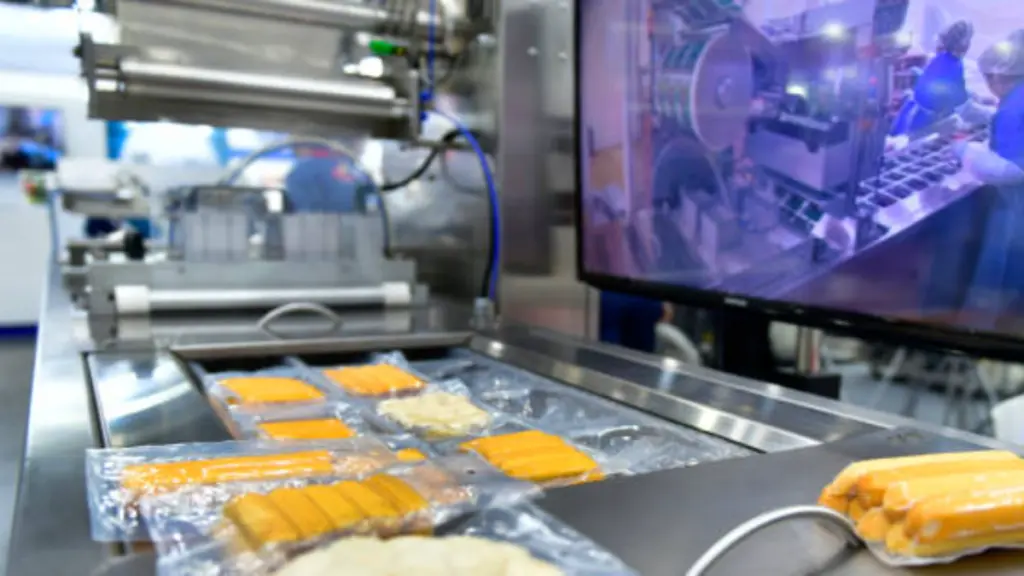
El diseño de una línea de envasado de alimentos depende de múltiples factores interconectados que definen el rendimiento del sistema., incluyendo las características del producto, condiciones de fábrica, y nivel de automatización en todo el flujo de producción.
Tipo de producto, formato de embalaje, y capacidad de producción
Las características del producto sientan las bases para el diseño de líneas de envasado de alimentos, ya que los diferentes tipos de alimentos requieren diferentes métodos de manipulación y velocidades de proceso.
- Nivel de fragilidad: Determina la precisión de manipulación y el control del transportador.
- Formato de embalaje: Afecta la formación, relleno, y selección del sistema de sellado
- Requisito de velocidad de producción: Define la velocidad de la máquina y la estrategia de equilibrio de línea.
Los productos frágiles necesitan un movimiento controlado, mientras que los productos de gran volumen requieren un funcionamiento estable a alta velocidad.
Diseño de fábrica, limitaciones de espacio, y dirección del flujo de trabajo
Las condiciones de la fábrica determinan directamente cómo se organiza y conecta una línea de envasado de alimentos. Disponibilidad de espacio, estructura del edificio, y el posicionamiento de los servicios públicos influyen en las decisiones sobre el diseño del equipo..
Un diseño bien planificado favorece una dirección fluida del flujo de trabajo desde la entrada de la materia prima hasta la salida del embalaje final.. Esto reduce el movimiento innecesario y ayuda a mantener un flujo de producción continuo..
Cuando el espacio es limitado, Se hace necesario un diseño compacto.. Sin embargo, La eficiencia aún debe guiar la estrategia de diseño optimizando el posicionamiento del equipo y garantizando un flujo de material estable en todas las etapas..
Nivel de automatización y requisitos de integración.
La automatización mejora la coherencia de la producción y reduce la carga de trabajo manual, Pero la verdadera eficiencia sólo aparece cuando todas las máquinas operan bajo un sistema coordinado.. Sin una integración adecuada, Las brechas de tiempo entre procesos aún pueden interrumpir el flujo de producción..
- Nivel de control: Define cómo se divide la producción entre operación manual y control del sistema.
- Integración del sistema: Garantiza el funcionamiento sincronizado en todas las máquinas de la línea.
- Estabilidad de producción: Reduce las fluctuaciones en la velocidad y la calidad de salida.
Una línea de envasado de alimentos totalmente integrada utiliza control centralizado para conectar la alimentación aguas arriba, embalaje central, y procesos de manipulación posteriores, mantener el flujo de producción continuo y estable.
Diseñe una línea de envasado de alimentos más inteligente con CHLB
Explore las soluciones de la línea de envasado de alimentos →
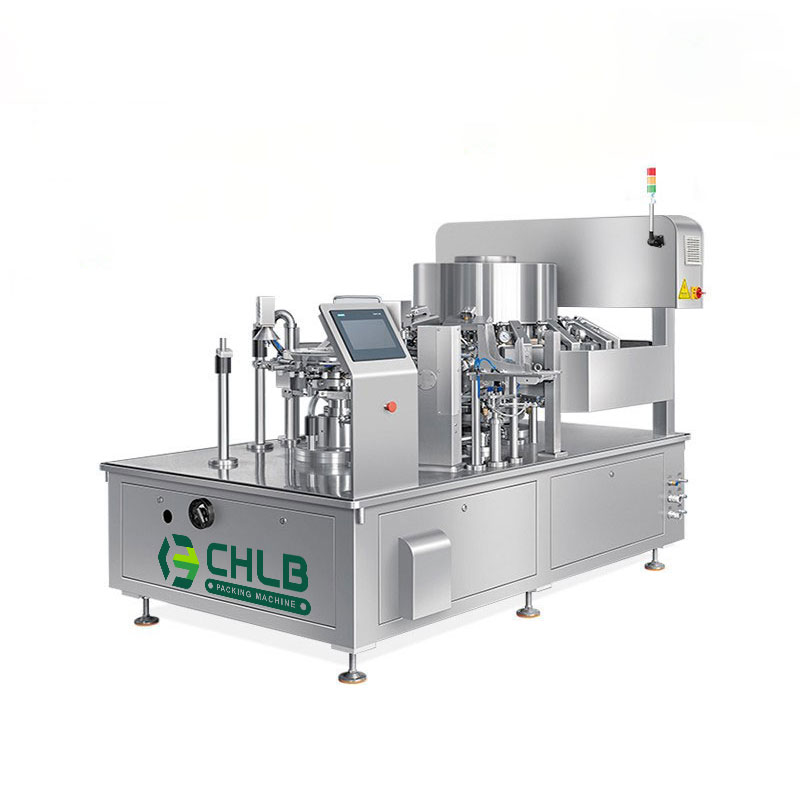
Cómo diseñar un diseño de línea de envasado de alimentos eficiente
El diseño eficiente de la línea de envasado de alimentos se centra en el flujo de producción, alineación de capacidad, y equilibrio del sistema para garantizar una producción estable y un movimiento fluido del material en todas las etapas.
Requisitos de producción y enfoque de diseño basado en la capacidad.
El diseño del diseño comienza con la demanda de producción.. Una línea de envasado de alimentos debe coincidir con el volumen de producción esperado, tipo de producto, y velocidad de embalaje antes de que comience la selección del equipo.
Diferentes niveles de capacidad requieren una lógica de sistema diferente. Las líneas de pequeña escala se centran en la flexibilidad, mientras que la producción de gran volumen prioriza el flujo continuo y el rendimiento estable.
Las consideraciones clave incluyen:
- Objetivo de salida: Define la velocidad general de la línea y la escala del sistema.
- Variación del producto: Influye en la flexibilidad de la máquina y el diseño de cambio.
- Planificación del crecimiento: Permite una futura expansión de la capacidad sin un rediseño completo
Un enfoque basado en la capacidad garantiza que la línea funcione de manera consistente en condiciones de producción reales..
Optimización del flujo de materiales desde aguas arriba hasta aguas abajo
El flujo de materiales determina la fluidez con la que los productos se mueven a lo largo de la línea de envasado de alimentos.. Un flujo bien diseñado reduce el tiempo de espera, evita la congestión, y mantiene la producción continua.
El diseño de flujo eficiente se centra en:
- Movimiento continuo: Evite detenerse entre procesos
- Distancia de transferencia corta: Reducir el tiempo de manipulación y la pérdida de energía.
- Velocidad de escenario equilibrada: Evitar la acumulación entre máquinas.
Estrategia de utilización del espacio y posicionamiento de equipos.
El espacio de la fábrica afecta directamente cómo se puede organizar una línea de envasado de alimentos. Una buena planificación del diseño utiliza el espacio disponible de manera eficiente y al mismo tiempo mantiene vías de producción claras..
El posicionamiento del equipo debe permitir el acceso tanto de operación como de mantenimiento.. Las máquinas no sólo deben adaptarse al espacio sino también permitir a los operadores trabajar de forma segura y eficiente..
Los principios clave incluyen:
- Zonificación lógica: Alimentación separada, embalaje, y áreas de salida
- Espacio de acceso de mantenimiento: Garantice un mantenimiento sencillo sin detener la línea
- Diseño compacto pero claro: Reduzca el espacio desperdiciado manteniendo el flujo visible
Principios de prevención de cuellos de botella y equilibrio de líneas
Los cuellos de botella son una de las principales causas de ineficiencia en una línea de envasado de alimentos. Suelen aparecer cuando un proceso se ejecuta más rápido o más lento que otros., romper el equilibrio del sistema.
El equilibrio de línea garantiza que todas las etapas funcionen a velocidades compatibles y mantengan un flujo estable en todo el sistema..
Los principios importantes incluyen:
- Sincronización de procesos: Alinear las velocidades ascendentes y descendentes
- Coincidencia de capacidad: Evite sobrecargar las máquinas individuales
- control de búfer: Utilice zonas de acumulación controlada cuando sea necesario
Puedes aprender más sobre La guía definitiva para la solución de líneas de envasado con sellado posterior en nuestro artículo dedicado.
Estructura típica de un sistema de línea de envasado de alimentos
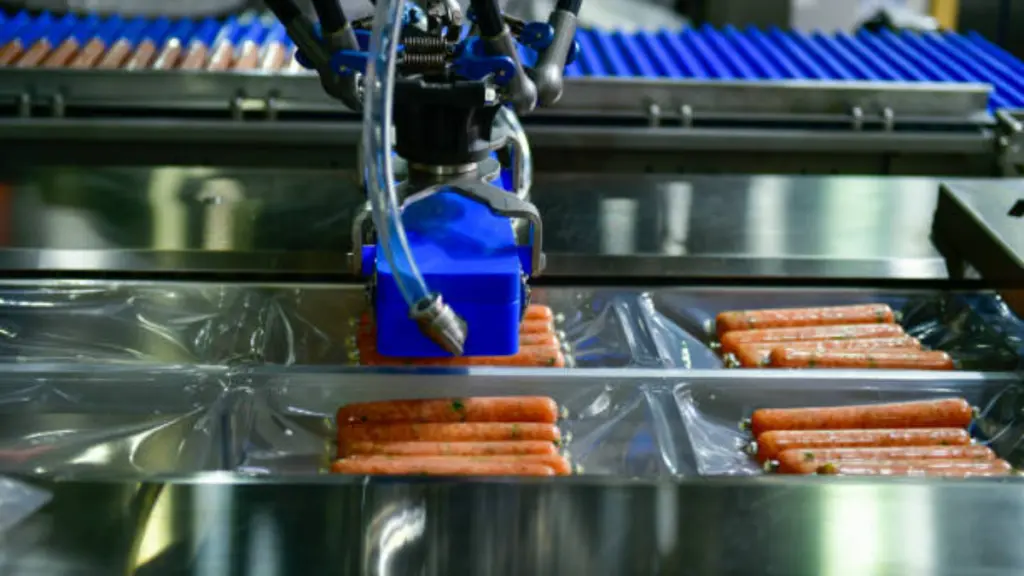
Una línea de envasado de alimentos normalmente se construye como un sistema conectado con tres secciones principales.. Cada sección realiza una función diferente., pero todas las piezas trabajan juntas para garantizar un flujo de producción continuo y estable..
Sistemas upstream para alimentación y preparación de material.
La sección aguas arriba prepara y entrega materiales a la línea de envasado de alimentos.. Garantiza que los productos entren al sistema en condiciones estables y controladas., que soporta un procesamiento posterior consistente.
Esta etapa a menudo incluye la alimentación., peso, porcionar, o manipulación inicial del producto dependiendo del tipo de alimento y los requisitos de producción..
Las funciones clave incluyen:
- Alimentación de material: Entrega productos crudos o semiprocesados a la línea
- Control de preprocesamiento: Garantiza la consistencia del producto antes del envasado.
- Estabilización de flujo: Mantiene una entrada constante para los sistemas posteriores.
Sistemas de embalaje de núcleos para conformado., llenado y sellado
La sección central de envasado es la parte central de la línea de envasado de alimentos.. Determina directamente la calidad del embalaje., velocidad, y consistencia.
Esta etapa maneja el principal proceso de transformación donde los productos se convierten en el embalaje final., completado, y sellado según las especificaciones requeridas.
Las funciones típicas incluyen:
- proceso de conformado: Da forma al material de embalaje en la estructura requerida
- proceso de llenado: Mide y carga el producto en el embalaje.
- Proceso de sellado: Garantiza la protección del producto y la estabilidad en el estante.
Sistemas downstream para inspección y automatización de final de línea
La sección posterior se encarga del control de calidad y la preparación del embalaje final antes del almacenamiento o envío.. Garantiza que solo los productos calificados avancen en la cadena de suministro..
Esta etapa mejora la confiabilidad de la producción al detectar defectos y organizar los productos terminados de manera eficiente..
Las funciones clave incluyen:
- Sistemas de inspección: detectar peso, calidad del sello, y defectos de embalaje
- Encuadernación y agrupación: Organizar los productos en envases secundarios.
- Sistemas de paletizado: Preparar mercancías para almacenamiento y logística.
Cómo funcionan y se sincronizan los sistemas de líneas de envasado de alimentos
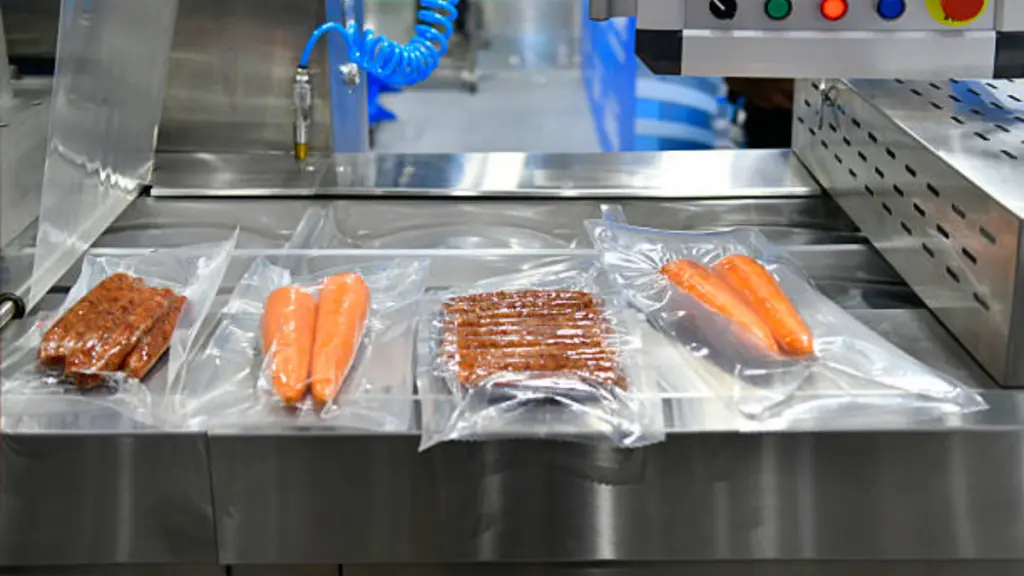
La producción fluida depende de algo más que el rendimiento del equipo. A línea de envasado de alimentos logra una mayor eficiencia cuando cada proceso se comunica y opera como un sistema coordinado.
Control PLC y coordinación centralizada del sistema.
Un PLC actúa como controlador central de la línea de envasado. Coordina las señales de la máquina., velocidad de funcionamiento, y cronograma de producción a través de una plataforma de control, Permitir que toda la línea responda de manera consistente en lugar de depender de controles de máquina separados..
Este enfoque centralizado también hace que la producción sea más fácil de monitorear y ajustar., Ayudar a los operadores a mantener una operación eficiente a medida que cambian las condiciones de producción..
Sincronización de máquinas y flujo de producción continuo.
La sincronización mantiene cada etapa de producción funcionando a un ritmo compatible. En lugar de maximizar la velocidad de las máquinas individuales, Los fabricantes equilibran la capacidad de producción en toda la línea para mantener un flujo continuo de productos..
Cuando los procesos upstream y downstream permanecen alineados, la línea de envasado reduce los cuellos de botella, minimiza la acumulación de producto, y logra un rendimiento más consistente.
Integración de automatización para estabilidad y reducción de la intervención manual.
La integración de la automatización permite que diferentes máquinas y sistemas de control trabajen juntos automáticamente en lugar de depender de ajustes manuales frecuentes..
Sus principales ventajas incluyen:
- Menor intervención manual: Reduzca los ajustes rutinarios del operador durante la producción..
- Rendimiento más consistente: Mantener una producción estable en condiciones de producción cambiantes..
- Mayor escalabilidad: Simplifique la futura expansión de líneas y actualizaciones de equipos.
Cómo optimizar la eficiencia y el retorno de la inversión en el diseño de líneas de envasado
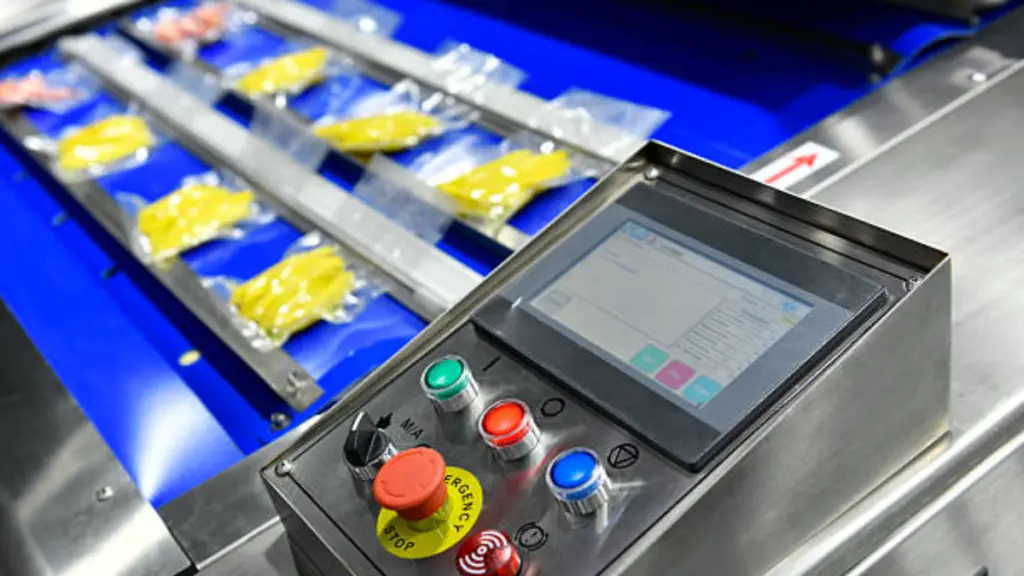
Un bien diseñado línea de envasado de alimentos crea valor más allá de la producción diaria. Mayor eficiencia, menores costos operativos, y una mayor flexibilidad trabajan juntos para mejorar el retorno de la inversión a largo plazo.
Reducir el tiempo de inactividad y mejorar el equilibrio de la línea
El tiempo de inactividad de la producción a menudo se debe a cuellos de botella más que a fallas del equipo.. Cuando cada etapa de la línea de envasado opera a una capacidad equilibrada, Los productos se mueven más suavemente a través del sistema., mejorar la utilización del equipo y reducir las interrupciones innecesarias.
| Enfoque de optimización | Beneficio operativo |
|---|---|
| Capacidad de producción equilibrada | Reducir los cuellos de botella y el tiempo de espera |
| Flujo continuo de materiales | Mejorar la utilización del equipo |
| Ritmo de producción coordinado | Mantener una producción estable |
Reducir la dependencia laboral y el costo operativo
Los crecientes costos laborales hacen que la eficiencia operativa sea más importante que nunca. Un optimizado línea de envasado de alimentos Reduce el trabajo manual innecesario al tiempo que mejora la utilización general de los recursos..
Las mejoras clave para ahorrar costos incluyen:
- Manipulación manual reducida: Minimizar la transferencia de productos entre etapas de producción..
- Mayor eficiencia laboral: Permitir a los operadores supervisar múltiples procesos simultáneamente.
- Menores costos operativos: Reducir la mano de obra manteniendo una calidad de producción constante.
Mejorar la escalabilidad para una futura expansión de la producción
La demanda de producción cambia con el tiempo a medida que los fabricantes introducen nuevos productos., formatos de embalaje, o objetivos de producción más altos. Un escalable línea de envasado de alimentos Facilita estas transiciones porque la expansión futura se considera durante la fase de diseño inicial..
Reservando espacio de instalación, usando interfaces estandarizadas, y adoptar una arquitectura de control flexible, Los fabricantes pueden integrar equipos adicionales con una interrupción mínima.. Este enfoque protege la inversión original al tiempo que reduce el costo y la complejidad de futuras actualizaciones..
Preguntas frecuentes
¿Cuánto tiempo lleva diseñar e instalar una línea de envasado de alimentos??
El cronograma depende de la capacidad de producción., formato de embalaje, y complejidad del proyecto. La mayoría de los proyectos de líneas de envasado de alimentos incluyen análisis de requisitos., diseño de maquetación, fabricación de equipos, instalación, puesta en servicio, y formación de operadores. Trabajar con un solo proveedor puede acortar el cronograma general a través de una mejor coordinación del proyecto..
¿Se puede actualizar una línea de envasado de alimentos existente en lugar de reemplazarla??
Sí. Muchos fabricantes mejoran la eficiencia actualizando secciones seleccionadas en lugar de reemplazar toda la línea.. Las actualizaciones comunes incluyen alimentación automatizada., sistemas de inspección, estuchado, paletizar, o control centralizado, dependiendo del estado de la línea de producción existente.
¿Cómo elijo el nivel de automatización adecuado para mi fábrica??
El nivel de automatización adecuado depende del volumen de producción, variedad de producto, costos laborales, presupuesto de inversión, y futuros planes de expansión. La mejor solución no siempre es la automatización total, pero que respalde sus objetivos de producción y al mismo tiempo permita espacio para futuras actualizaciones..
¿Puede una línea de envasado de alimentos manejar múltiples tipos de productos??
Sí. Una línea flexible de envasado de alimentos puede adaptarse a diferentes tamaños de productos y formatos de envasado a través de equipos modulares, sistemas de transporte ajustables, y controles programables. Esto mejora la flexibilidad de producción al tiempo que reduce los costos de modificación futuros..
Pensamientos finales
Diseñando un línea eficiente de envasado de alimentos requiere más que seleccionar equipos avanzados. El éxito proviene de la construcción de un sistema coordinado que coincida con sus productos., objetivos de producción, diseño de fábrica, y futuros planes de expansión. Una línea bien diseñada mejora la productividad, reduce los costos operativos, y crea una base más sólida para el rendimiento de fabricación a largo plazo.
En Chlb, nosotros proporcionamos Servicios de línea de envasado de alimentos llave en mano., cubriendo la planificación del diseño, integración de equipos, fabricación, instalación, y puesta en marcha. Ya sea que esté construyendo una nueva línea de producción o actualizando una instalación existente, te ayudamos a desarrollar confiable, Soluciones de embalaje escalables que respaldan el crecimiento empresarial a largo plazo..