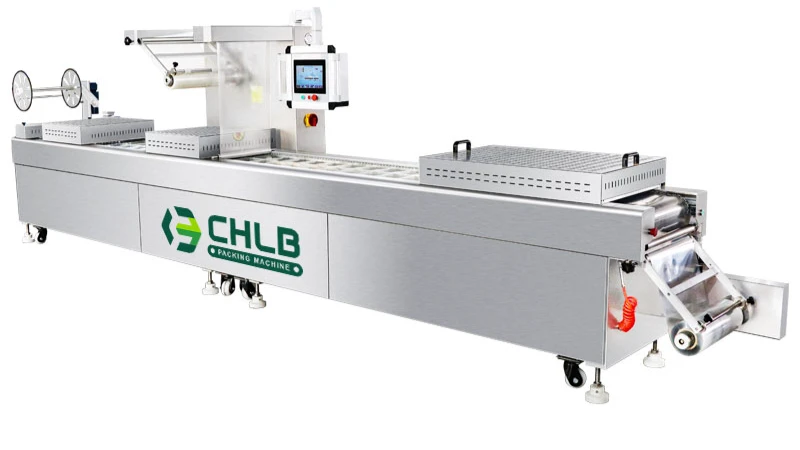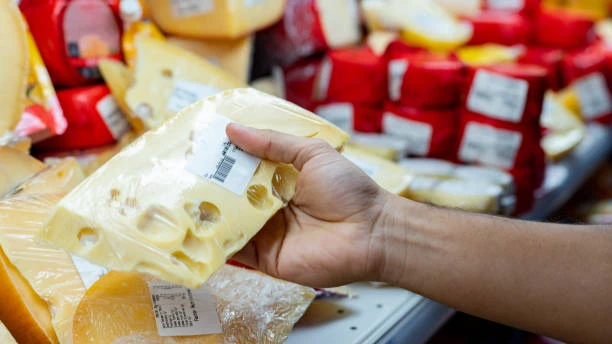
Bakery packaging solutions help large-scale food manufacturers maintain consistent packaging quality, meet production targets, and manage the demands of high-volume operations. For procurement managers and production teams, matching bakery packaging machines to specific products and packaging requirements is essential to avoid compatibility issues and unnecessary operating costs.
This guide explains how industrial bakery packaging technologies, 재료, and equipment work together across different product types. It also provides practical criteria for evaluating commercial bakery packaging equipment, helping manufacturers compare machine capabilities, assess long-term operating requirements, and identify solutions that fit their production needs.
Common Bakery Packaging Formats and Technologies
Large-scale bakery production requires packaging formats that protect products, maintain consistent output, and meet different production and shelf-life requirements.
Flow-Wrap and Bag Packaging
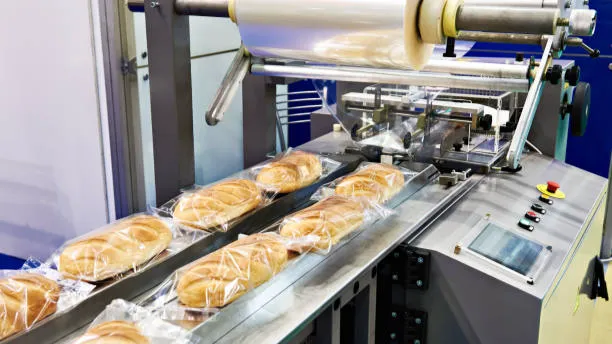
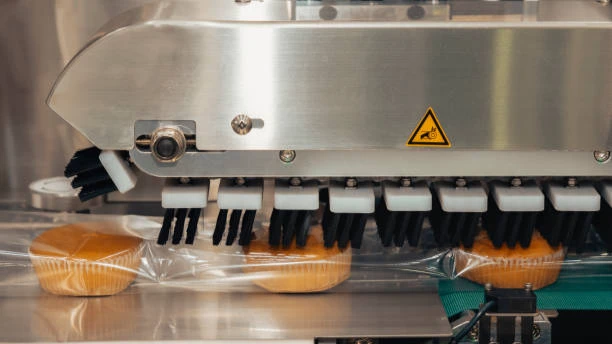
Flow-wrap packaging is widely used for bread, buns, cakes, 비스킷, and individually wrapped bakery snacks. The machine feeds products horizontally, wraps them in continuous film, and seals the package along the back and ends. Bag packaging is suitable for sliced bread, rolls, 쿠키, and multi-unit products. Depending on the equipment, bags can be made from a continuous film roll or supplied as pre-made bags.
When comparing these formats, manufacturers should consider three key factors:
- Product handling: Soft bread and delicate items need feeding systems that reduce crushing and deformation during packaging.
- Packaging materials: Film type and thickness must match the machine’s forming and sealing capabilities.
- Production requirements: Pack size, loading method, and target output affect equipment configuration and line efficiency.
For high-volume biscuit production, CHLB’s automatic pillow-bag biscuit packaging line integrates biscuit feeding, cream sandwiching, and packaging in one production line.
Tray-Based and Protective Packaging
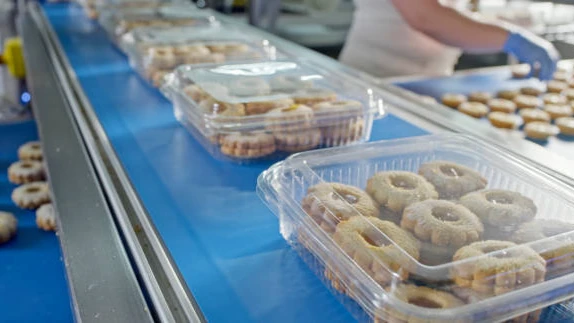
Tray-based packaging supports cakes, pastries, and other products that can lose their shape during handling. A tray holds the product in place, while a film cover or lid helps protect it during storage and transport. The packaging line must handle both the product and the tray efficiently to avoid damage or production delays.
Protective packaging should balance the following requirements:
- 제품 보호: Reduce crushing, movement, and surface damage during packing and transport.
- Line efficiency: Keep tray loading and sealing in step with the required production speed.
- Material use: Provide enough support without adding unnecessary packaging materials or costs.
Modified Atmosphere Packaging and Sealing Technologies
Modified atmosphere packaging (지도) changes the gas inside a package to help maintain product quality and extend shelf life when suitable for the product. It may benefit selected bakery products that require better control of mold growth or oxidation, but not every baked good needs MAP. Heat sealing is commonly used with compatible plastic films, while other materials and package designs may require different sealing methods.
Manufacturers should evaluate the following factors when considering MAP and sealing technologies:
- Product requirements: Moisture content, recipe, 위생, and storage conditions affect whether MAP is suitable for a specific bakery product.
- Film barrier properties: The packaging material must limit gas transfer to maintain the intended atmosphere throughout storage.
- 인감 무결성: Weak or uneven seals can allow air or moisture to enter, reducing package protection and shelf life. Equipment must maintain consistent seals at the target production speed.
Main Types of Bakery Packaging Machines
Bakery packaging machines vary by product type and packaging format. Large-scale manufacturers need equipment that meets their production and packaging requirements.
Bakery packaging machines differ in how they feed products, form packages, and seal materials. For large-scale manufacturers, the goal is to match machine capabilities with product characteristics, 포장 요구 사항, 그리고 생산 목표.
Flow Wrapping Machines for Bakery Products
Flow wrapping machines use a continuous film roll to wrap products horizontally, then seal and cut the film into individual packs. They are widely used for bread, buns, 비스킷, cakes, croissants, and other bakery products that need individual wrapping. The finished packages commonly use a pillow-bag format.
When evaluating a flow wrapping machine, 제조업체는 고려해야 할 사항:
- Product feeding: The feeding system must handle product size, 모양, and fragility without causing unnecessary damage.
- Film compatibility: The machine must support the selected film type and required sealing method.
- 생산 속도: Actual output depends on product spacing, pack dimensions, feeding stability, and machine configuration.
Automatic feeding systems can help maintain a steady product flow in high-volume operations. 하지만, delicate or irregularly shaped products may need special feeding arrangements to prevent damage and keep the packaging line running smoothly.
For bakery manufacturers handling croissants, bread, and doughnuts, CHLB offers a customized pillow-flow packaging line designed to integrate product feeding and packaging.
Vertical Form Fill Seal Machines for Bakery Products
Vertical form fill seal (VFFS) machines form bags from a continuous film roll, fill them with product through a vertical tube, and seal the packages. They are commonly used for loose or small products, ~와 같은 쿠키, crackers, and bakery snacks, particularly when manufacturers need to pack multiple pieces in one bag.
주요 요인은 다음과 같습니다:
- Product suitability: Products must move through the filling system without excessive breakage or sticking.
- 채우는 정확도: The dosing or weighing system must deliver consistent quantities for each pack.
- Bag specifications: 가방 크기, 필름 특성, and seal requirements must match the product and packaging design.
Compared with horizontal flow wrapping, VFFS equipment feeds products vertically into formed bags rather than wrapping each product horizontally. This makes it useful for certain bulk or multi-piece applications, although fragile products may require careful feeding and handling.
Boost Bakery Packaging Speed & 정도

Bakery Packaging Materials and Their Properties
Bakery packaging materials affect product freshness, 보호, and machine performance. Manufacturers need materials that meet product requirements and work with their packaging equipment.
Plastic Films for Bakery Packaging
Plastic films are widely used for bread, 비스킷, cakes, and bakery snacks. They offer flexibility, product visibility, and compatibility with many high-speed packaging systems. Different films provide different levels of moisture and oxygen protection.
Common options include:
- 폴리프로필렌 (PP): Offers good clarity and is widely used for biscuits and snacks.
- 폴리에틸렌 (체육): Provides flexibility and moisture resistance, making it suitable for many bread bags.
- 배리어 필름: Combine material layers to improve protection against moisture, 산소, or other external factors.
Paper-Based and Composite Packaging Materials
Paper-based materials are used for bakery boxes, 바지, and wraps. They offer a printable surface and structural support, but untreated paper has limited resistance to moisture and grease. Coatings may be needed for products with higher moisture or fat content.
Composite materials combine paper, plastic, or other layers to provide additional properties, such as moisture resistance, 단단함, or heat-sealing capability. Their suitability depends on the product and package design.
Matching Packaging Materials with Machine Requirements
Packaging materials must suit the machine’s feeding, 형성, and sealing systems. Even suitable materials can cause production problems if they do not run smoothly or seal properly.
Manufacturers should consider three factors:
- 제품 보호: Match barrier properties to the product’s moisture, grease, and shelf-life requirements.
- 씰링 호환성: Ensure the material supports the machine’s sealing method and forms reliable seals.
- Machine performance: Check whether the material feeds, forms, and seals consistently at the target production speed.
Testing materials on the intended equipment helps confirm package quality and stable production before large-scale use.
Matching Bakery Products with the Right Packaging Machines
Bakery product type, 포장 형식, and production volume determine machine requirements. The following table matches common bakery products with suitable packaging equipment.
| Bakery Product | Packaging Requirements | Suitable Packaging Machine | Key Considerations |
|---|---|---|---|
| Sliced Bread and Buns | Individual packs or sealed bags | Horizontal flow wrapping machine or bag packaging machine | Product softness, bag size, 밀봉 품질, and production speed |
| Biscuits and Cookies | Individual packs or multi-piece bags | Flow wrapping machine or vertical form fill seal (VFFS) 기계 | Product fragility, feeding method, and portion accuracy |
| Cakes and Swiss Rolls | Individual wrapping with protection against crushing | Flow wrapping machine | Product dimensions, gentle handling, and film sealing |
| Croissants and Pastries | Individual packs or protective trays with film | Flow wrapping machine or tray sealing system | Product shape, surface fragility, and packaging protection |
| Crackers and Bakery Snacks | Multi-piece bags or sealed film packs | VFFS machine or flow wrapping machine | Product breakage, 채우는 정확도, and required pack format |
| Cream-Filled or High-Moisture Bakery Products | Sealed packs with suitable moisture and oxygen barriers; MAP where required | Flow wrapping machine or compatible MAP packaging system | Shelf-life targets, film barrier properties, and seal integrity |
Machine configuration should align with product dimensions, 포장재, and target output. Product trials can verify packaging quality and production performance before full-scale operation.
What to Consider When Buying Bakery Packaging Equipment
Bakery packaging equipment should meet production targets, 제품 사양, and budget requirements. These factors help manufacturers compare machines and estimate long-term operating costs.
Production Capacity and Packaging Speed
Large-scale food manufacturers should compare actual output with rated machine speed. Product feeding, pack size, and line coordination all affect the number of finished packs per hour. The machine must also keep pace with upstream production and downstream packing to avoid bottlenecks.
- Actual output: Account for feeding interruptions and product changeovers when estimating hourly production.
- Line capacity: Match machine output with the rest of the production line.
- 미래 수요: Allow for seasonal peaks and planned production growth.
제품 치수, 재료, and Packaging Specifications
Product characteristics and packaging requirements determine machine configuration. Manufacturers handling multiple SKUs should also consider material compatibility and the time needed to switch packaging formats.
| Selection Factor | What to Check | Impact on Equipment |
|---|---|---|
| Product dimensions and shape | 크기, 모양, and fragility | Feeding method and machine settings |
| Packaging materials | Film type, 두께, and sealing requirements | Material feeding and sealing compatibility |
| Pack specifications | 가방 크기, seal style, and pack format | Forming parts, cutting settings, and filling setup |
| Format changeover | Adjustment time and parts that need replacing | Changeover time and production efficiency |
For multi-product lines, ask suppliers how long format changes take and test the machine with actual products and packaging materials. These trials help verify feeding stability, 인감 품질, and finished pack appearance.
Maintenance Costs and Long-Term Operating Requirements
The purchase price is only part of the total cost. Manufacturers should also consider maintenance, 예비 부품, 에너지 사용, and potential downtime.
Check maintenance schedules, replacement intervals, warranty coverage, and spare-part availability. Ask about technical support response times and access to remote or on-site service. These factors help estimate the 총 소유 비용 and reduce the risk of unexpected production interruptions.
How to Evaluate a Bakery Packaging Machine Supplier
A supplier should demonstrate relevant product experience, suitable equipment configurations, and reliable technical support to meet the manufacturer’s production needs.
When evaluating suppliers, focus on three key areas:
- Product experience: Ask for examples of similar bakery products and packaging applications. Product trials using your own products and materials can help verify feeding stability, 밀봉 품질, and production output.
- Equipment fit and customization: Check whether the supplier can adapt feeding systems, packaging specifications, and line layouts to your products and production requirements. Request technical drawings and confirm which changes may affect cost, output, or changeover time.
- Installation and after-sales service: Confirm installation and commissioning arrangements, 운영자 교육, warranty terms, spare-part availability, and access to technical support.
CHLB Group provides packaging line design, installation and commissioning, technical training, and remote support. Buyers can discuss their bakery products and production requirements with the team to explore suitable packaging solutions.
최종 생각
Bakery packaging solutions for large-scale food manufacturers should align with product characteristics, 포장 형식, material requirements, machine compatibility, and long-term operating needs. Evaluating these factors together helps manufacturers build a packaging line that supports consistent output and efficient production.
CHLB 그룹 provides packaging equipment and line solutions for different production requirements. Contact our team to discuss your bakery products, packaging specifications, 그리고 생산 목표, and explore suitable equipment for your operation.
What Is the Best Packaging Machine for Bakery Products?
The best packaging machine for bakery products depends on the product type, 포장 형식, and production volume. Flow wrapping machines are suitable for individually wrapped bread, cakes, 쿠키, and pastries, while vertical form fill seal (VFFS) machines can package products such as bread rolls, 비스킷, and other bakery items in bags. Manufacturers should consider product handling, 밀봉 요구 사항, 포장 속도, and available line space when selecting equipment.
Which Packaging Materials Are Commonly Used for Bakery Products?
Common bakery packaging materials include plastic films such as polypropylene (PP), 폴리에틸렌 (체육), and laminated films, as well as paper-based and composite materials. Plastic films are widely used for bread, cakes, 쿠키, and other baked goods because they can provide product visibility, moisture control, and effective sealing. The appropriate material depends on freshness requirements, 유통기한, 제품 보호, 포장 형식, and compatibility with the packaging machine.
Can One Packaging Machine Handle Different Bakery Products?
One packaging machine may handle multiple bakery products if their sizes, 모양, 포장 형식, and handling requirements fall within the machine’s capabilities. Adjustable settings and changeover components can support different products, but changes in product dimensions, feeding methods, or packaging materials may require adjustments or additional equipment. Manufacturers should confirm the machine’s product range, 전환 시간, and packaging performance before using it for multiple product lines.
How Do You Choose a Bakery Packaging Machine for High-Volume Production?
For high-volume bakery production, evaluate packaging speed, feeding stability, sealing consistency, changeover efficiency, and integration with upstream and downstream equipment. The machine’s actual output should match the required production rate under normal operating conditions, not just its advertised maximum speed. Manufacturers should also assess maintenance access, operator requirements, and whether the packaging line can accommodate future increases in production volume.
What Should You Consider When Buying Industrial Bakery Packaging Equipment?
When buying industrial bakery packaging equipment, consider product specifications, 포장재, required output, available factory space, and compatibility with existing production lines. Total ownership costs also matter, including installation, 에너지 소비, routine maintenance, 예비 부품, 및 운영자 교육. Ask the supplier about product testing, 시운전, warranty coverage, and after-sales support to verify that the equipment can meet your production requirements over the long term.