Las soluciones de envasado de productos del mar congelados deben evitar más que fugas. Conchas afiladas, huesos, aletas, y los bordes congelados pueden perforar las películas, mientras que la exposición a la humedad y al oxígeno puede provocar quemaduras por congelación, deshidración, oxidación, y vida útil más corta. Estas fallas aumentan el desperdicio de producto., regresa, y costos de embalaje, especialmente durante la entrega de productos del mar congelados a larga distancia.
Esta guía explica cómo mejorar la resistencia a los pinchazos., integridad del sello, Barreras de humedad y oxígeno., y durabilidad a bajas temperaturas. También cubre los materiales de embalaje., tecnologías de vacío y MAP, y sistemas de envasado automatizados que ayudan a los procesadores de productos del mar a mantener una calidad constante y al mismo tiempo aumentar la eficiencia de la producción..
Por qué el envasado de mariscos congelados requiere soluciones especializadas
Los productos del mar congelados crean riesgos de envasado que los envases estándar de alimentos congelados pueden no manejar bien. Para procesadores, envasado de mariscos Debe proteger los productos mediante congelación., almacenamiento, manejo, y transporte.
- Superficies afiladas e irregulares: Conchas de camarón, trozos de cangrejo, huesos, aletas, y los bordes congelados pueden ejercer una presión adicional sobre las películas y aumentar el riesgo de pinchazos y desgarros..
- Estrés por baja temperatura: El almacenamiento a alrededor de -18 °C o menos puede reducir la flexibilidad de algunos materiales de embalaje., haciéndolos más vulnerables al agrietamiento, fugas, y falla del sello.
- Exposición prolongada a la cadena de frío: Los mariscos congelados pueden enfrentar apilamiento, vibración, manipulación repetida, condensación, y cambios de temperatura durante el almacenamiento y transporte, aumento del estrés del embalaje.
- Pérdida de calidad y valor.: Los daños en el embalaje pueden exponer los mariscos al aire y la humedad., contribuyendo a la quemadura por congelación, deshidración, oxidación, y cambios de textura, color, sabor, y apariencia.
Estas condiciones hacen productos del mar congelados Más exigente de envasar que muchos alimentos congelados estándar.. Por lo tanto, el sistema de envasado debe diseñarse teniendo en cuenta las características físicas del producto y los requisitos de la cadena de frío..
Tecnologías de envasado para productos del mar congelados
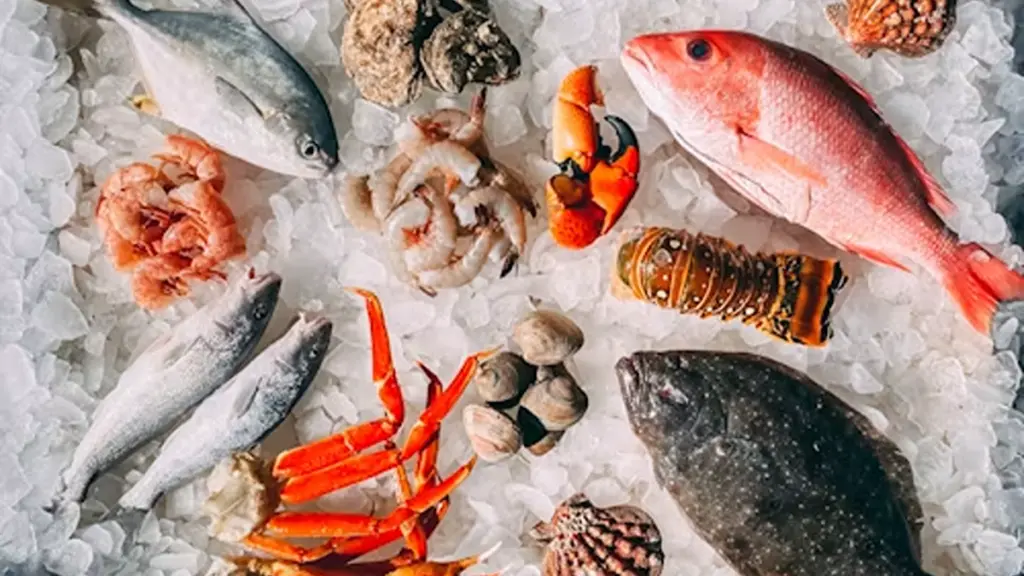
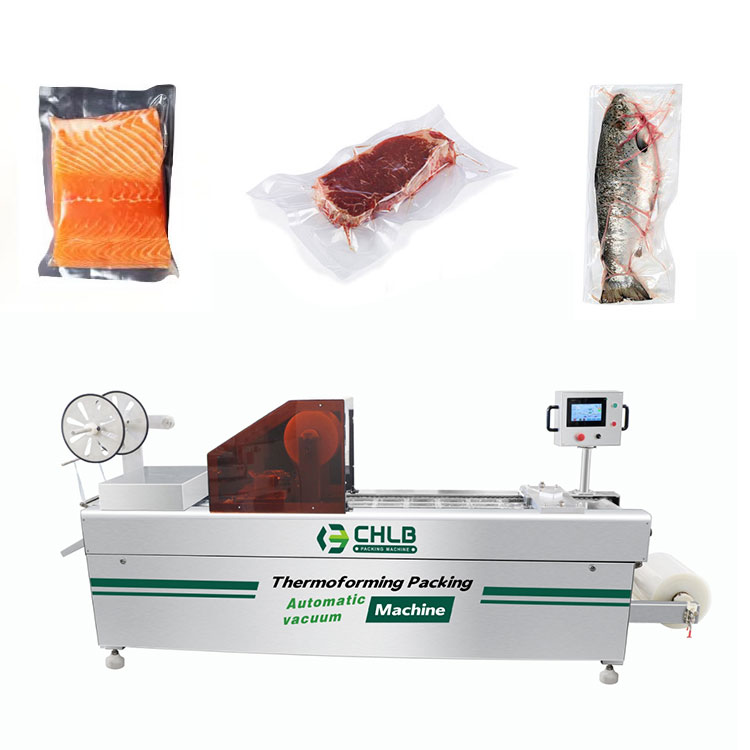
Diferente productos del mar congelados Necesita diferentes formatos de embalaje según la forma del producto., objetivos de vida útil, y condiciones de distribución. Común envasado de mariscos Las tecnologías incluyen el envasado al vacío., MAPA, envasado al vacío de piel, y embolsado, Cada formato ofrece diferentes beneficios de protección y producción..
Envasado al vacío
El envasado al vacío elimina el aire antes de sellar, ayudando a reducir la exposición al oxígeno y limitar el movimiento de la humedad dentro del paquete. Se utiliza comúnmente para filetes de pescado., porciones de mariscos, camarón, y otros productos que se benefician de un paquete compacto.
- Reduce la exposición al aire y al oxígeno.
- Ayuda a limitar las quemaduras y la oxidación del congelador.
- Apto para porciones, filetes, y mariscos de mayor valor
- Requiere películas con buena flexibilidad y resistencia a la perforación.
Embalaje de ambiente modificado (MAPA)
MAP reemplaza el aire dentro de un paquete con una mezcla de gases controlada antes del sellado. Puede ayudar a controlar la exposición al oxígeno y, al mismo tiempo, proporcionar un formato de paquete estable para el comercio minorista. envasado de mariscos congelados.
- Controla la atmósfera dentro del paquete.
- Ayuda a reducir la oxidación y mantener la calidad del producto.
- Adecuado para productos pesqueros minoristas seleccionados
- Requiere un llenado de gas preciso y sellos confiables
Envasado al vacío
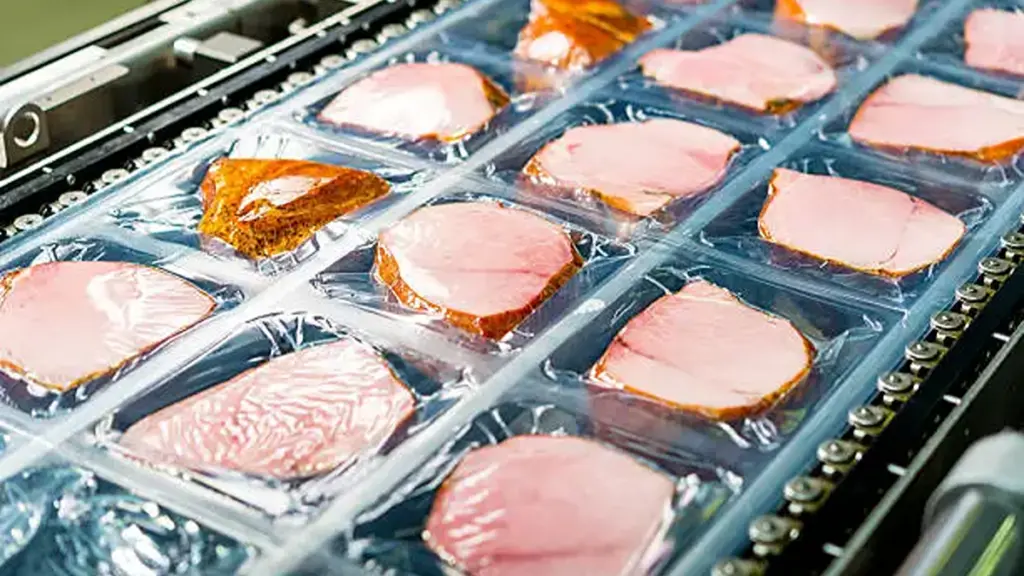
El envasado al vacío utiliza una película superior flexible que se adapta estrechamente a la superficie de los mariscos y de la bandeja.. Proporciona una presentación minorista limpia y mantiene bajo el exceso de aire alrededor del producto..
- Proporciona una fuerte visibilidad del producto.
- Reduce el espacio de aire alrededor de los mariscos.
- Apto para filetes premium y porciones de marisco.
- Requiere bandejas compatibles, películas, y equipo skin-pack
Ensacado y termosellado
Las bolsas hechas de materiales preformados o en rollos siguen siendo ampliamente utilizadas para embalaje para mariscos, especialmente para productos a granel y al por menor. El formato admite diferentes tamaños de paquetes y se puede integrar con sistemas automatizados de llenado y sellado..
- Adecuado para venta al por mayor y al por menor productos del mar congelados
- Soporta diferentes pesos y tamaños de bolsa
- Funciona bien con líneas de envasado automatizadas
- Requiere condiciones de sellado limpias y consistentes.
Comparación de tecnologías de envasado de mariscos congelados
| Tecnología de embalaje | Aplicación típica | Ventaja principal | Consideración clave |
|---|---|---|---|
| Envasado al vacío | filetes de pescado, camarón, porciones de mariscos | Reduce la exposición al aire y al oxígeno. | La película necesita buena flexibilidad y resistencia a la perforación. |
| MAPA | productos del mar al por menor | Controla la atmósfera del paquete. | Requiere llenado y sellado de gas precisos |
| Envasado al vacío de piel | Filetes y raciones de marisco premium | Presentación fuerte con poco espacio de aire. | Necesita bandejas compatibles, películas, y equipo |
| Harpillera + termosellado | Mariscos a granel y al por menor | Flexible para diferentes pesos y formatos | El área del sello debe permanecer limpia y consistente. |
| Bolsa de alta barrera | Mariscos congelados de larga conservación | Fuerte protección contra la humedad y el oxígeno. | La estructura del material debe coincidir con el producto. |
El mejor envasado de alimentos congelados El formato depende del producto del mar., vida útil requerida, tamaño del paquete, y condiciones de distribución. Para procesadores que manejan múltiples productos del mar congelados, La línea de envasado también debe soportar un llenado constante., caza de focas, y control de calidad en diferentes formatos.
Optimizar mariscos & Automatización del envasado de aves de corral
Materiales de envasado de mariscos y su impacto en la vida útil
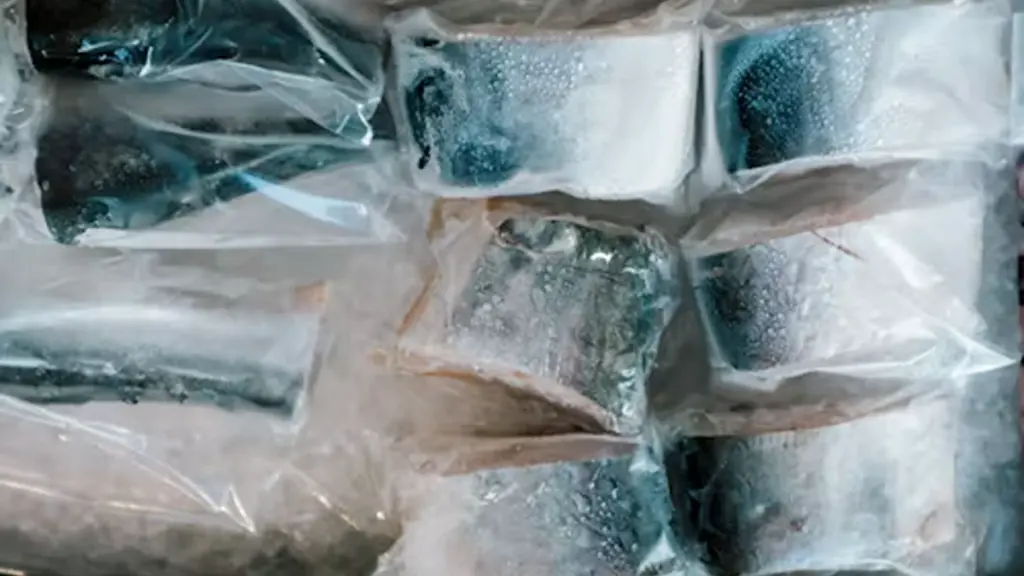
Los materiales de embalaje afectan directamente la protección y vida útil de los productos del mar congelados.. La estructura del material necesita equilibrar el rendimiento de la barrera., durabilidad, confiabilidad del sellado, y compatibilidad con equipos de embalaje.
Materiales comunes utilizados en el envasado de mariscos congelados
La mayoría de los paquetes de mariscos congelados utilizan estructuras de múltiples capas porque cada capa proporciona diferentes funciones.. Una capa mejora la fuerza., otro controla la humedad y el oxígeno, mientras que la capa interna soporta un sellado confiable.
| Función del material | Objetivo |
|---|---|
| Resistencia mecánica | Protege contra pinchazos., lágrimas, y manejo de daños |
| Barrera de humedad | Ayuda a reducir la deshidratación y las quemaduras por congelación. |
| Barrera de oxígeno | Ayuda a mantener el sabor., color, y calidad del producto |
| Compatibilidad del sello | Admite un sellado estable durante la producción. |
Común envasado de mariscos Los materiales incluyen polietileno., poliéster, polipropileno, y otras películas de barrera. La estructura final depende del tipo de marisco., formato de paquete, tiempo de almacenamiento, y requisitos de producción.
Cómo los materiales de embalaje afectan la vida útil de los mariscos
El papel principal de envasado de mariscos congelados es controlar la exposición a la humedad y al oxígeno durante el almacenamiento y el transporte.. Una estructura de material adecuada ayuda a reducir las quemaduras por congelación, oxidación lenta, y mantener la textura y apariencia de los mariscos.
Para productos que requieren logística de larga distancia, como embalaje de alimentos congelados para envío, Los materiales de embalaje también deben soportar los cambios de temperatura., vibración, y condiciones de almacenamiento prolongadas.
Sin embargo, La vida útil depende de algo más que el embalaje. Métodos de congelación, temperatura de almacenamiento, gestión de la cadena de frío, y la manipulación del producto influyen en la calidad final.. El mejor embalaje para alimentos congelados Proporciona una protección confiable al tiempo que mantiene la eficiencia de producción y el control de costos..
Soluciones automatizadas de envasado de mariscos congelados
La automatización ayuda a los procesadores de productos del mar a mejorar la consistencia del empaque, eficiencia de producción, y control de calidad conectando múltiples operaciones en un sistema coordinado.
Cómo funciona una línea automatizada de envasado de mariscos
Un automatizado envasado de mariscos congelados línea integra la alimentación del producto, peso, relleno, caza de focas, inspección, y manejo de casos en un flujo de trabajo continuo. En lugar de depender de pasos manuales separados, el sistema mantiene cada proceso consistente y reduce las variaciones en el peso del paquete, posicionamiento, y calidad de salida.
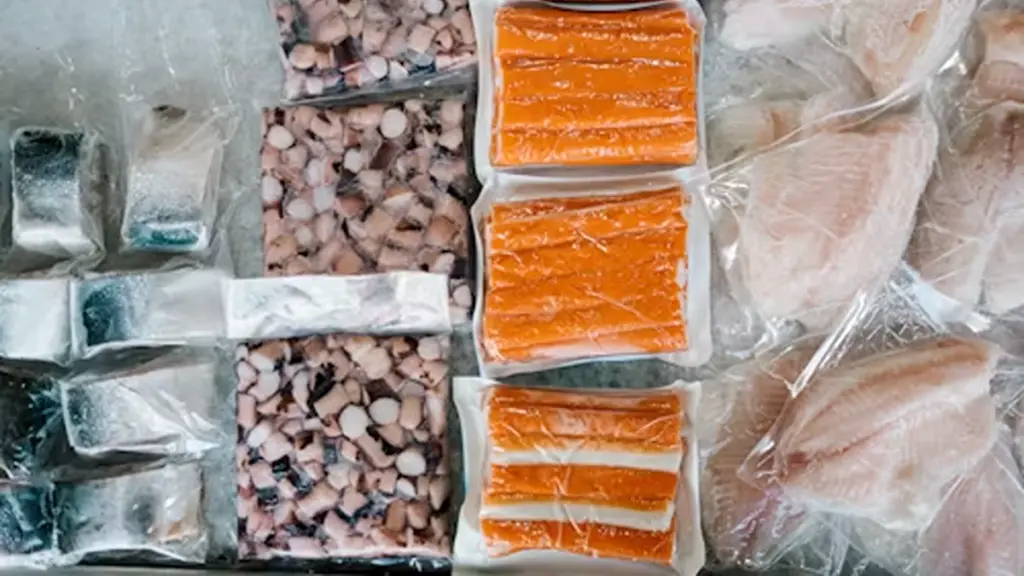
La configuración depende del producto del mar y del formato del paquete.. Camarón, filetes, mezclas de mariscos, y otros productos del mar congelados puede requerir diferentes sistemas de alimentación, soluciones de pesaje, o formatos de embalaje.
| Etapa de producción | Función | Beneficio de automatización |
|---|---|---|
| Alimentación y pesaje | Controla el flujo de mariscos y el tamaño de las porciones. | Mejora la precisión del peso y la estabilidad de la producción. |
| Llenado y sellado | Empaqueta mariscos en bolsas, bolsas, o bandejas | Crea una calidad de paquete consistente |
| Inspección | Comprueba el peso, sellos, y condiciones del paquete | Reduce los productos defectuosos antes del envío. |
| Embalaje de cajas | Prepara paquetes terminados para logística. | Reduce el manejo manual repetitivo |
Combinar la automatización con las necesidades de producción
Una línea de envasado debe coincidir con el tipo de producto., requisitos de salida, y condiciones de fábrica. Diferentes productos del mar pueden requerir diferentes niveles de automatización y configuraciones de equipos..
Los factores clave incluyen:
- Características del producto: Tamaño, forma, y el peso afectan los métodos de alimentación y pesaje.
- Formato de paquete: Bolsas, bolsas, y las bandejas requieren diferentes equipos de embalaje.
- Volumen de producción: Un mayor rendimiento requiere sistemas más rápidos e integrados.
- Gama de productos: Varios productos del mar pueden necesitar cambios flexibles.
Para embalaje personalizado de alimentos congelados proyectos, Hacer coincidir el sistema de embalaje con los requisitos de producción reales ayuda a los procesadores a evitar complejidades innecesarias y al mismo tiempo mantener una producción confiable..
Mejorar la eficiencia de la producción mediante la automatización
La automatización proporciona un mejor control sobre las operaciones diarias al reducir la variación manual y mejorar la visibilidad de los datos de producción.. Los procesadores pueden controlar la precisión del peso, paquetes rechazados, uso de materiales, y rendimiento del equipo para identificar oportunidades de mejora.
Para envasado comercial de alimentos congelados, Los sistemas integrados pueden soportar mayores volúmenes de producción y una preparación logística más fluida.. Combinado con embalaje de cajas y paletizado., automatizado soluciones de envasado de mariscos ayudar a las empresas a mantener una calidad constante desde la producción hasta entrega de mariscos congelados.
Beneficios de las soluciones automatizadas de envasado de mariscos congelados
Los sistemas de envasado automatizados ayudan a los procesadores de productos del mar a mejorar la estabilidad operativa, reducir pérdidas innecesarias, y mantener una producción constante a medida que aumentan las demandas de producción.
Un bien diseñado soluciones de envasado de mariscos El sistema hace más que aumentar la velocidad.. Controlando el pesaje, relleno, caza de focas, inspección, y procesos de manipulación, La automatización ayuda a los fabricantes a mejorar la calidad del paquete y al mismo tiempo crea un entorno de producción más predecible..
Los beneficios clave incluyen:
- Calidad constante del paquete: Los sistemas automatizados mantienen una precisión de llenado estable, condiciones de sellado, y apariencia del paquete, reducir la variación entre individuos paquetes de mariscos.
- Mayor eficiencia de producción: Pesaje integrado, relleno, caza de focas, y los procesos de inspección reducen el trabajo manual repetitivo y mejoran el flujo de producción, especialmente para operaciones de gran volumen de productos del mar congelados.
- Menor desperdicio de material y producto.: El control preciso de las porciones reduce el desperdicio del producto, mientras que los sistemas precisos de manipulación e inspección de películas ayudan a minimizar los residuos de embalaje y los productos defectuosos..
- Mejora de la higiene y el control de procesos.: La manipulación automatizada de productos reduce el contacto humano innecesario y crea procedimientos operativos más consistentes para la gestión de la seguridad alimentaria..
- Ampliación de la producción más sencilla: Los sistemas de automatización modulares permiten a los procesadores aumentar la capacidad, agregar nuevos formatos de empaque, y adaptarse a la demanda cambiante del mercado.
Para empresas proveedoras productos del mar congelados al por menor, servicio de comida, o mercados internacionales, La automatización proporciona un mayor control sobre la calidad y los costos de producción.. También ayuda a las empresas a construir servicios más confiables. envasado comercial de alimentos congelados operaciones que pueden respaldar el crecimiento a largo plazo.
Cómo elegir las soluciones adecuadas de envasado de mariscos congelados
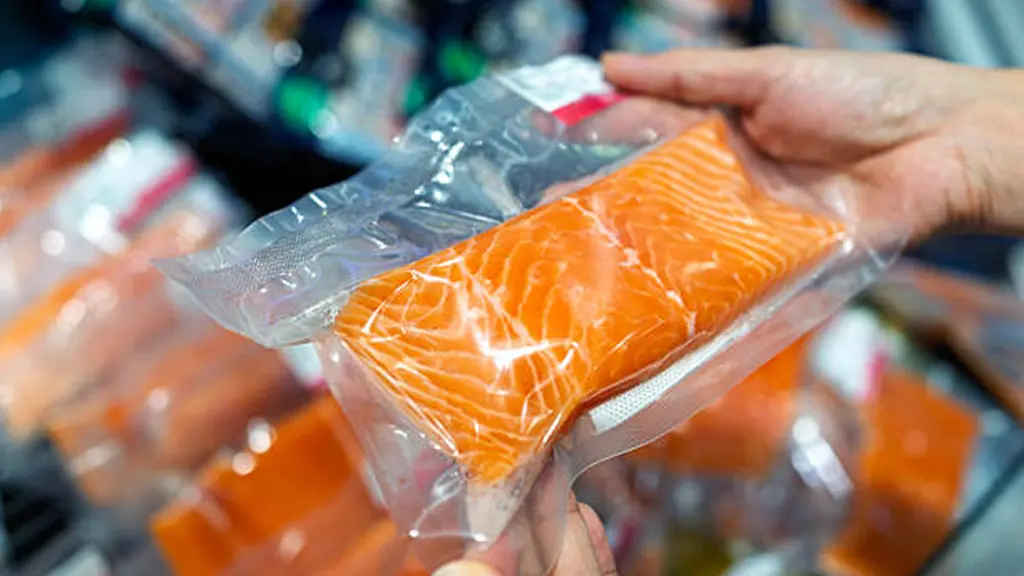
Un sistema de envasado fiable debe coincidir con las características de los productos del mar, objetivos de producción, y necesidades comerciales a largo plazo en lugar de centrarse solo en equipos individuales.
Evaluar los requisitos del producto y del embalaje
Diferente productos del mar congelados crear diferentes demandas de embalaje. La solución debe coincidir con la forma del producto., formato de paquete, y condiciones de almacenamiento esperadas.
Los factores importantes incluyen:
- Características del producto: pescado entero, filetes, camarón, mariscos, y las mezclas de productos del mar requieren diferentes enfoques de manipulación y envasado.
- Requisitos del paquete: Paquetes al por menor, bolsas a granel, y los paquetes de servicios de alimentos pueden necesitar diferentes tamaños, formatos, y velocidades de producción.
- Condiciones de almacenamiento: Vida útil objetivo, temperatura de congelación, distancia de transporte, y la estabilidad de la cadena de frío afectan el rendimiento del embalaje.
- Requisitos del mercado: Mercados de exportación, canales minoristas, y los clientes de servicios de alimentos pueden tener diferentes requisitos de presentación, durabilidad, y cumplimiento.
Un adecuado embalaje para mariscos La solución debe proteger el producto y al mismo tiempo adaptarse al entorno de producción real..
Haga coincidir el sistema de embalaje con los objetivos de producción
Después de definir los requisitos del producto., Los procesadores necesitan evaluar cómo el sistema de embalaje se adapta a su operación.. El equipo debe respaldar los objetivos de producción actuales y al mismo tiempo permitir el crecimiento futuro..
Las consideraciones clave incluyen:
- Capacidad de producción: Confirmar la salida requerida, horas de trabajo, y cambios estacionales en la demanda.
- Nivel de automatización: Determinar qué procesos deben automatizarse, incluido el pesaje, relleno, caza de focas, inspección, y manejo de casos.
- Capacidad de integración: Asegúrese de que la línea de envasado pueda conectarse con los equipos de procesamiento existentes y los flujos de trabajo de la fábrica..
- Expansión futura: Considere si el sistema puede admitir nuevos productos., capacidad adicional, o diferentes formatos de paquetes.
Para empresas en desarrollo embalaje personalizado de alimentos congelados programas, Este proceso de emparejamiento ayuda a evitar inversiones innecesarias y crea una solución más eficiente a largo plazo..
Verificar el rendimiento antes de la implementación completa
Antes de invertir en un sistema completo, Es importante realizar pruebas con el producto pesquero real y el material de embalaje.. Las pruebas de producción reales pueden revelar problemas que las especificaciones del laboratorio pueden no mostrar, como el movimiento de productos, estabilidad de sellado, o desempeño en el manejo de materiales.
trabajando con experiencia empresas de envasado de alimentos congelados También puede simplificar el diseño del sistema., instalación, y soporte técnico. Un proveedor de soluciones completas puede ayudar a coordinar la selección de equipos, requisitos de embalaje, y objetivos de producción en lugar de tratar cada máquina como una unidad independiente.
El mejor Soluciones de envasado de mariscos congelados. proporcionar un equilibrio entre la protección del producto, eficiencia de producción, costo operativo, y escalabilidad futura.
Pensamientos finales
El envasado de productos del mar congelados requiere un sistema completo que conecte la protección del producto, materiales de embalaje, y eficiencia de producción. Una solución confiable debería ayudar a prevenir fallas en los paquetes, mantener la calidad del marisco durante el almacenamiento en cadena de frío, y apoyar una producción estable a medida que aumentan las demandas del mercado.
Grupo CHLB proporciona integrado Soluciones de envasado de mariscos congelados. diseñado en torno a las características del producto, formatos de embalaje, objetivos de producción, y requisitos de fábrica. Del diseño de la línea de envasado a la integración de la automatización, Ayudamos a los procesadores de productos del mar a construir sistemas eficientes que mejoren la consistencia y respalden el crecimiento a largo plazo..
Preguntas frecuentes
¿Qué factores deben considerar los procesadores de productos del mar al elegir soluciones de envasado de productos del mar congelados??
Los procesadores de mariscos deben considerar las características del producto., condiciones de almacenamiento, formato de paquete, volumen de producción, y requisitos de distribución. Camarón, filetes de pescado, mariscos, y los mariscos mixtos pueden requerir diferentes estructuras de empaque debido a diferencias en la forma, contenido de humedad, y manejo de riesgos. Un adecuado envasado de mariscos congelados La solución debe equilibrar la protección del producto., eficiencia de producción, y costo de operación.
¿Qué tipos de envases se utilizan habitualmente para los productos del mar congelados??
Formatos de embalaje comunes para productos del mar congelados Incluye bolsas de vacío, Bandejas MAP, paquetes de piel al vacío, y bolsas selladas. El mejor formato depende del tipo de producto., objetivo de vida útil, requisitos minoristas, y condiciones de transporte. Los productos del mar de alto valor suelen utilizar envases al vacío o skin., mientras que los productos a granel pueden utilizar soluciones de ensacado eficientes para mayores volúmenes de producción.
¿Cómo pueden las soluciones automatizadas de envasado de productos del mar mejorar la eficiencia de la producción??
Automatizado soluciones de envasado de mariscos puede mejorar la eficiencia conectando el pesaje, relleno, caza de focas, inspección, y manejo de casos en un flujo de trabajo controlado. Esto reduce la variación manual., mejora la consistencia del paquete, y ayuda a los procesadores a gestionar mayores volúmenes de producción con una calidad más estable. CHLB proporciona sistemas de automatización de envasado de alimentos personalizados según el tipo de producto y los requisitos de fábrica.. :contenidoReferencia[oveja:1]{índice=1}
¿Se pueden personalizar las soluciones de envasado de alimentos congelados para diferentes productos del mar??
Sí. Envases personalizados de alimentos congelados. Las soluciones se pueden diseñar según el tamaño del marisco., forma, peso del paquete, velocidad de producción, y diseño de fábrica. Un sistema personalizado puede incluir diferentes métodos de alimentación., equipo de pesaje, tecnología de sellado, y formatos de embalaje para satisfacer requisitos de procesamiento específicos.
¿Qué información se necesita antes de diseñar una línea de envasado de productos del mar??
Antes de diseñar una línea de envasado, Los proveedores generalmente necesitan información sobre el producto del mar., estilo de paquete, salida objetivo, tamaño del paquete, entorno de producción, y requisitos de automatización. Las muestras de productos y los detalles del material de embalaje también pueden ayudar a verificar la alimentación., caza de focas, y manejo del rendimiento antes del diseño final del sistema.