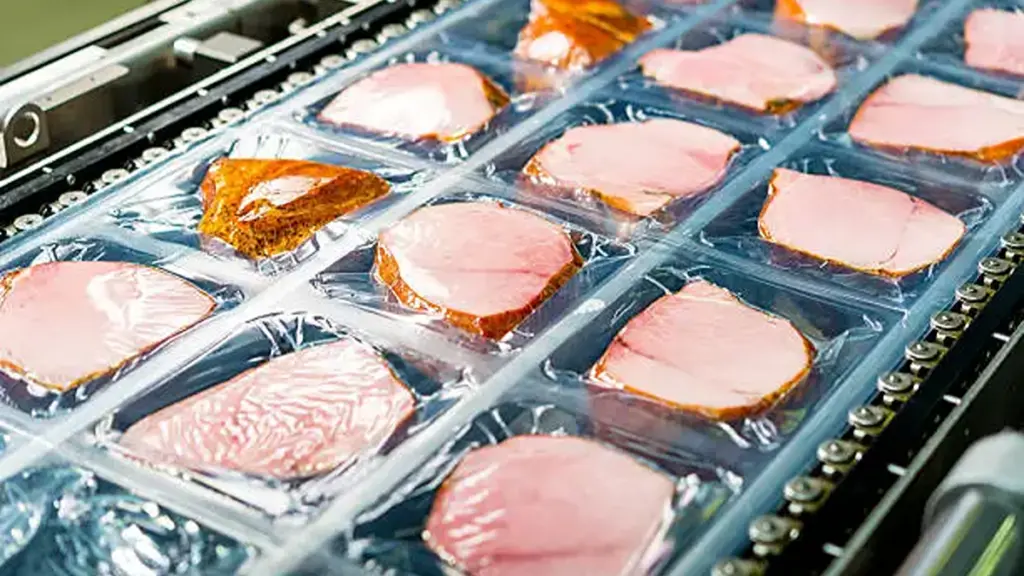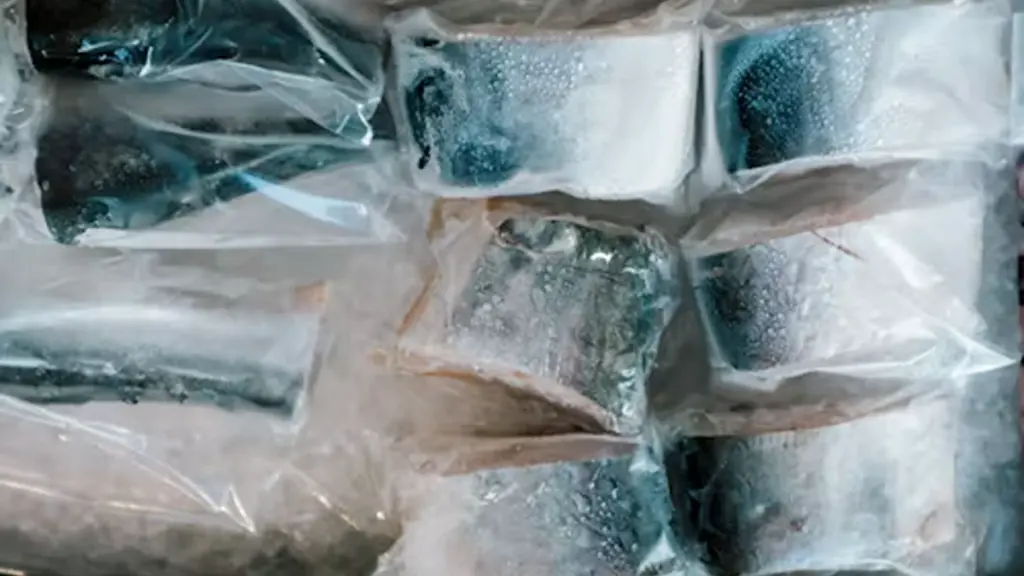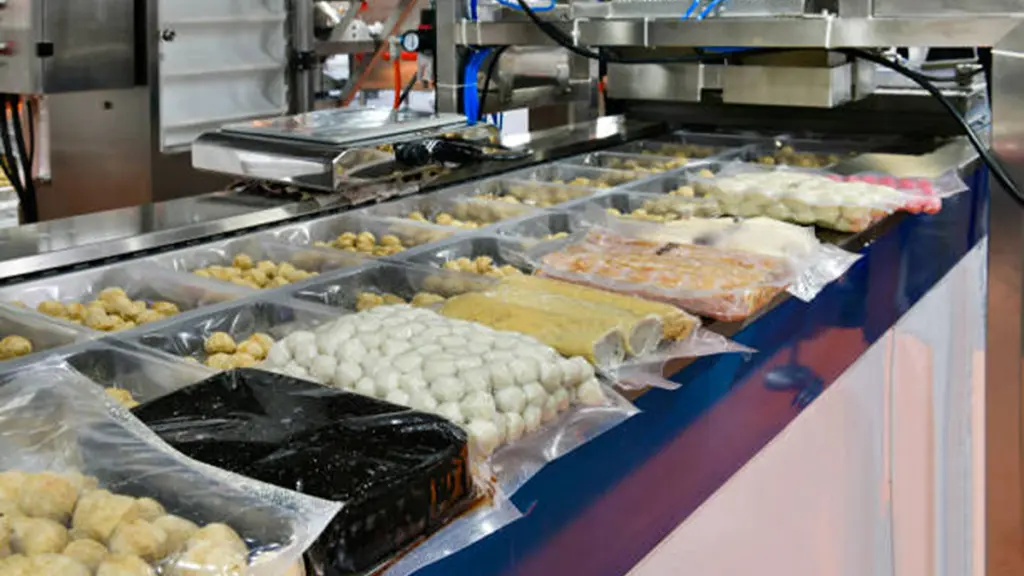
Tray sealing and thermoforming are two widely used packaging solutions in the food industry, especially for meat, seafood, ready meals, cheese, and other fresh or processed foods. Both can deliver reliable sealing and support modified atmosphere packaging (MAP), but the way they form and seal a package is quite different.
For food manufacturers, the key is to find a packaging system that fits their products, production needs, and budget. This guide compares tray sealing and thermoforming, explains where each system works best, and highlights the main factors to consider before making a packaging investment.
What Are Tray Sealing and Thermoforming Packaging Systems?
Both of two packaging systems can support automated product loading, sealing, and pack handling for fresh, frozen, and processed foods.
How Does Tray Sealing Work?
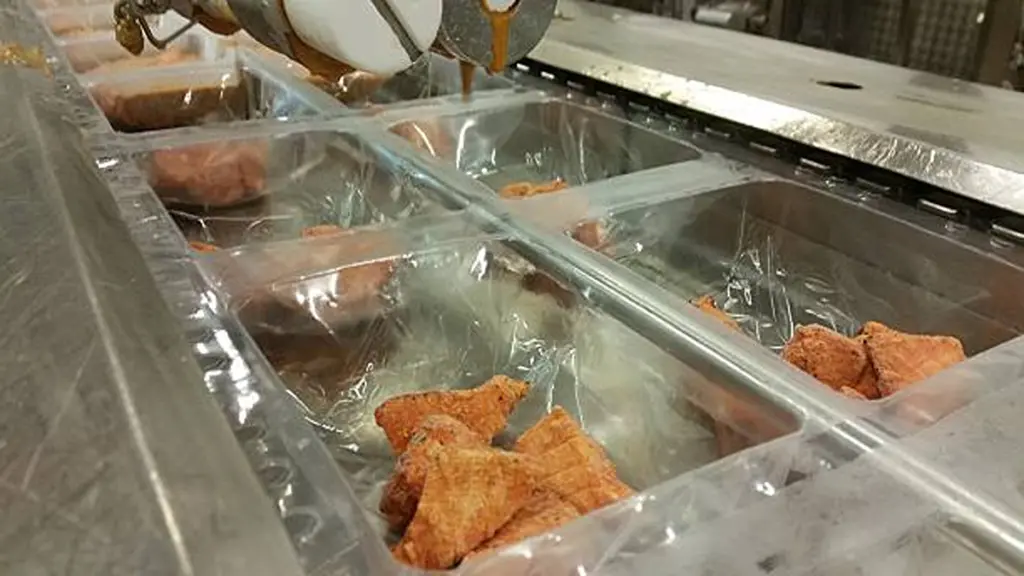
A tray sealing machine uses pre-formed trays. The machine feeds the trays into the packaging area, loads them with food products, and seals them with a top film.
The process typically includes:
- Tray feeding: The machine feeds empty trays into the packaging area and moves them into the filling position.
- Product loading: Operators or automatic loading systems place food products into the trays.
- Atmosphere control: For MAP applications, the machine removes air and introduces a controlled gas mixture before sealing.
- Film placement: The machine places a top film over each filled tray.
- Heat sealing: The machine seals the film to the tray with controlled heat and pressure.
- Pack discharge: The machine transfers sealed packs to inspection, labeling, coding, or other downstream processes.
The machine can be integrated with equipment such as automatic tray denesting, product loading, gas flushing, checkweighing, labeling, and inspection systems. This allows tray sealing to become part of a complete automated food packaging line.
How Does Thermoforming Work?
A thermoforming packaging machine creates the package during production. It uses rollstock film to form the bottom of the package before loading the food product.
The process generally includes:
- Film feeding: The machine pulls bottom film from a roll and moves it into the forming area.
- Film heating: The machine heats the film to the required forming temperature.
- Cavity forming: A forming tool shapes the heated film into the required package cavities.
- Product loading: Operators or automatic loading systems place food products into the formed cavities.
- Vacuum or MAP processing: The machine removes air or replaces it with a controlled gas atmosphere, depending on the application.
- Top film sealing: The machine places a top film over the filled cavities and seals the package.
- Cutting: The machine cuts the sealed film into individual packs.
- Pack discharge: The machine moves finished packs to inspection, labeling, or secondary packaging.
Thermoforming systems can combine forming, filling, vacuum or MAP processing, sealing, and cutting in one continuous packaging process. The forming tool, film properties, and product requirements determine the package format.

Tray Sealing vs Thermoforming: Key Differences
The comparison below highlights the key factors that food manufacturers should consider when evaluating tray sealing and thermoforming packaging systems.
| Factor | Tray Sealing | Thermoforming |
|---|---|---|
| Package format | Uses pre-formed trays in selected sizes and designs | Forms package cavities from rollstock film |
| Flexibility | Works with different compatible tray formats | Package shape and size depend on forming tooling |
| Packaging material | Pre-formed tray plus top sealing film | Bottom rollstock plus top sealing film |
| Production volume | Suitable for small to high-output production | Well suited to stable, high-volume production |
| Changeover | Generally straightforward with compatible tray formats | May require tooling and machine-setting changes |
| Automation | Can integrate feeding, loading, sealing, inspection, and downstream equipment | Can combine forming, filling, sealing, cutting, and downstream processes |
| Cost considerations | Includes trays, film, storage, handling, labor, and equipment | Film use can be optimized, while tooling and equipment costs also matter |
Production Volume and SKU Requirements
Production volume is important, but it should be considered together with SKU count and changeover frequency. A high-output line is not automatically the best choice if the factory changes products or package formats frequently.
- Tray sealing: A practical option for manufacturers handling different products, tray formats, or changing production volumes. Automation can be added around the sealing process as output grows.
- Thermoforming: Often a strong fit for stable, high-volume production where the same package formats run continuously for longer periods.
For example, a manufacturer with many SKUs may value fast format changes more than maximum line speed. Another manufacturer producing a few standardized products at high volume may benefit more from continuous thermoforming.
Packaging Material and Cost
The cost comparison should include more than the price of the tray or film. Material handling, storage, labor, waste, tooling, maintenance, and machine utilization can all affect the final cost per pack.
Thermoforming can reduce the need to purchase and store pre-formed trays because the machine forms the package from rollstock during production. In suitable applications, manufacturers can also optimize film width and cavity layout to improve material utilization.
Tray sealing, however, can make sense when pre-formed trays already match the required product presentation and packaging format. The overall decision should therefore focus on total cost of ownership, rather than material price alone.
Automation and Production Line Integration
Both systems can become part of an automated food packaging line. The main question is how each system fits into the manufacturer’s existing product flow.
Tray sealing can connect with:
- Tray handling: Automatic denesting and tray feeding reduce manual preparation.
- Product loading: Automatic loaders can place products into trays at a controlled rate.
- Quality control: Checkweighing, vision inspection, metal detection, and leak detection can be integrated into the line.
- Downstream packaging: Labeling, case packing, and palletizing can follow the sealing process.
Thermoforming can combine several core operations in one continuous process, including film feeding, forming, filling, vacuum or MAP processing, sealing, and cutting. This can create a compact and highly integrated packaging flow for suitable high-volume applications.
The key is to match automation with actual production needs. A fully automated line only delivers its expected value when upstream feeding, product flow, packaging materials, and downstream handling are stable enough to support it.
Find the Right MAP Packaging Solution
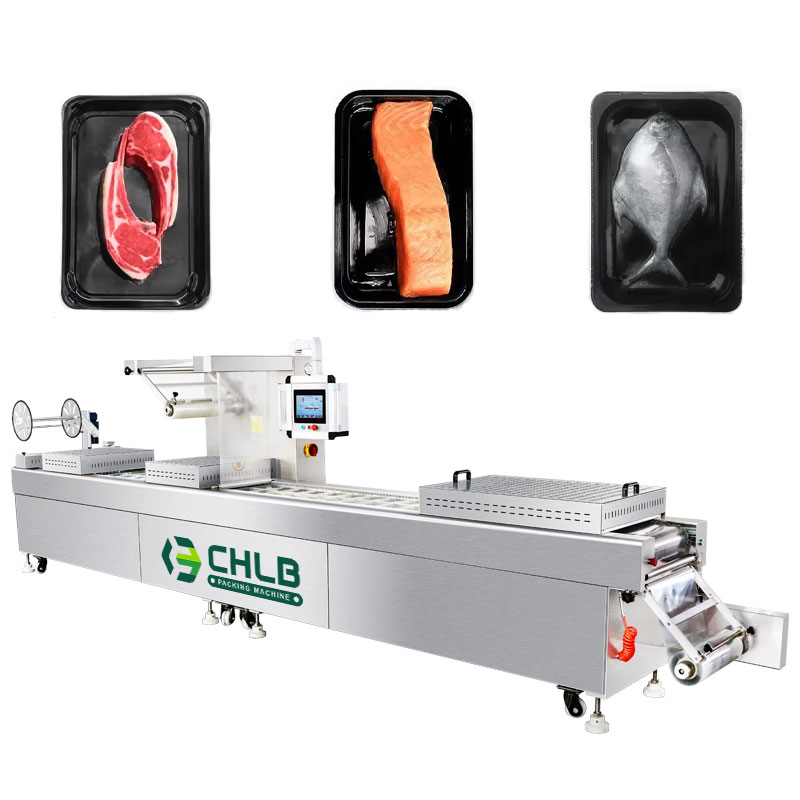
Tray Sealing vs Thermoforming for MAP Food Packaging
MAP packaging helps food manufacturers protect product quality by controlling the atmosphere inside each pack. Both tray sealing and thermoforming can support MAP, but they use different packaging processes and offer different advantages.
MAP Tray Sealing
MAP tray sealing uses pre-formed trays. Food products are loaded into the trays before the machine removes air, introduces a controlled gas mixture, and seals the tray with a top film.
The process generally includes:
- Tray loading: Products are placed into pre-formed trays.
- Air removal: Air is removed from the tray.
- Gas flushing: A suitable gas mixture is introduced.
- Film sealing: The top film is sealed to the tray.
- Pack discharge: Finished packs move to inspection, labeling, or other processes.
A key advantage is the stable structure of the pre-formed tray. It provides consistent product presentation and works well for retail packaging. The format is widely used for fresh meat, poultry, seafood, cheese, ready meals, and other prepared foods.
MAP Thermoforming
MAP thermoforming forms the package during production. The machine heats and shapes bottom rollstock film into cavities, loads the product, controls the atmosphere, and seals the package with a top film.
The process generally includes:
- Film forming: Bottom film is heated and formed into cavities.
- Product loading: Products are placed into the formed cavities.
- Air removal: Air is removed from the package.
- Gas flushing: The required gas mixture is introduced.
- Top film sealing: The top film is sealed over the cavities.
- Pack cutting: The sealed film is cut into individual packs.
The main advantage is that forming, filling, MAP, sealing, and cutting can work as one continuous process. This makes thermoforming suitable for standardized products and production lines that require consistent, automated packaging output.
Which MAP Format Should Manufacturers Consider?
Both systems can deliver effective MAP packaging when the machine, film, gas mixture, and sealing process match the product requirements. Tray sealing often works well for retail products where presentation and pack format matter. Thermoforming can be a strong option when manufacturers need a continuous and integrated packaging process.
The final decision should consider product type, pack format, production requirements, packaging materials, and the overall production line rather than MAP capability alone.
Which Packaging Solution Fits Different Food Manufacturers?
Different food products have different shapes, portions, and packaging requirements. These factors help manufacturers choose a packaging system that fits their products and production needs.
Meat and Poultry Manufacturers
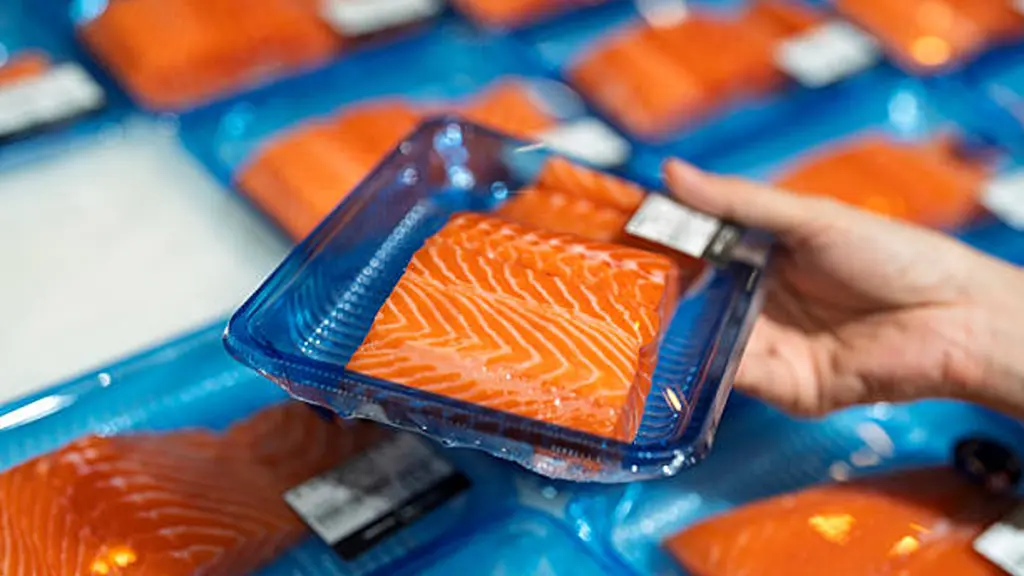
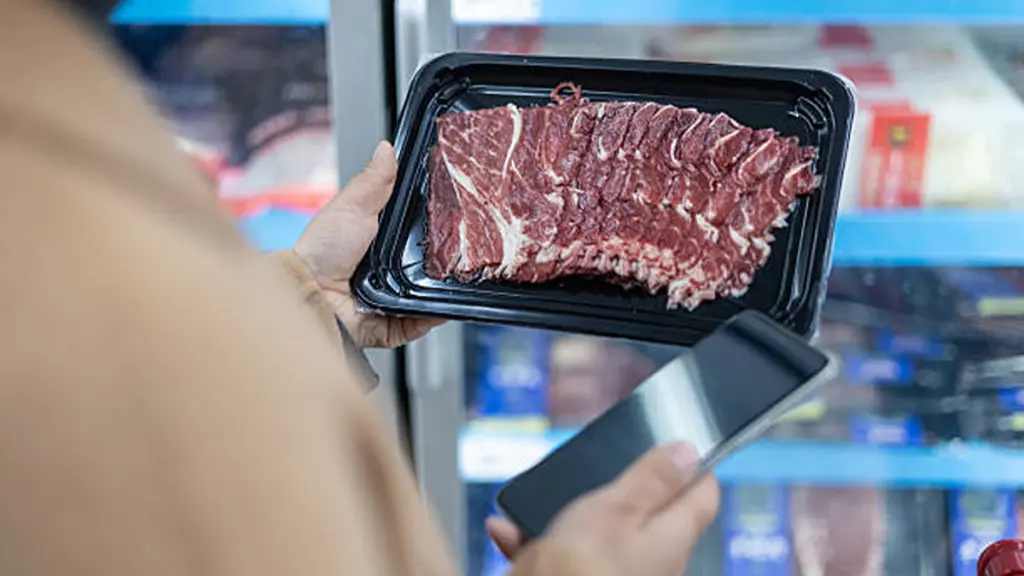
Meat and poultry products vary in size, thickness, and portion format. Tray sealing works well for products such as steaks, chicken portions, and sliced meat, especially when manufacturers need flexible retail packaging.
- Tray sealing for varied portions: Manufacturers can choose pre-formed trays in different sizes and depths to match different meat and poultry products. The trays also provide stable pack structures and clear product presentation for retail sales.
For standardized products with fixed dimensions and high production volumes, thermoforming offers an alternative. It can combine forming, loading, MAP, sealing, and cutting in one continuous process.
Seafood Manufacturers
Seafood products such as fish fillets, shrimp, and shellfish often vary in size and shape. Tray sealing gives manufacturers more flexibility when they handle different products and retail pack formats.
- Tray sealing for flexible seafood packaging: Manufacturers can use different tray sizes and formats for fish, shrimp, shellfish, and other seafood products. The tray structure also supports stable positioning and attractive retail presentation.
Thermoforming works well for standardized seafood portions with consistent dimensions. It supports continuous forming, MAP, sealing, and cutting for higher-volume production.
Ready Meal and Prepared Food Manufacturers
Ready meals and prepared foods often come in different recipes, portions, and formats. Tray sealing suits these products because manufacturers can easily select different tray sizes, shapes, depths, and compartment configurations.
- Tray sealing for multiple meal formats: Manufacturers can use different pre-formed trays for single meals, multi-compartment meals, and other retail formats. This flexibility also helps manufacturers manage multiple SKUs.
For standardized meals with fixed pack dimensions and large production volumes, thermoforming provides another option. The system can combine forming, loading, MAP, sealing, and cutting in one continuous line.
Cheese and Dairy Manufacturers
Cheese and dairy products often have consistent sizes and shapes, especially sliced cheese, portions, and blocks. Thermoforming works well for standardized products and high-volume production because it creates consistent cavities and supports a continuous packaging process.
- Thermoforming for high-volume production: Manufacturers can use forming tools to create cavities that match fixed product dimensions. The system can then handle loading, MAP or vacuum packaging, sealing, and cutting in one continuous process.
Tray sealing remains useful when manufacturers need different tray sizes, portion formats, or retail presentation styles. It offers more flexibility for products with varied packaging requirements.
The best packaging method depends on the product, pack format, and production requirements. Tray sealing generally offers more flexibility, while thermoforming suits standardized products and continuous high-volume production.
Final Thoughts
Tray sealing and thermoforming can both provide reliable packaging solutions for food manufacturers, but the better choice depends on product characteristics, packaging formats, and production requirements. Flexible retail products may benefit from tray sealing, while standardized, high-volume production can favor thermoforming.
For manufacturers planning a new packaging line or upgrading an existing one, evaluating the complete production process is essential. CHLB Group provides customized food packaging systems that can integrate packaging equipment with upstream and downstream processes to match specific production needs.
Frequently Asked Questions
Is tray sealing or thermoforming better for high-volume food production?
Both systems can support high-volume food production, but thermoforming often suits standardized products and continuous production better. Tray sealing can also achieve high output while giving manufacturers more flexibility across different products and tray formats. The right choice depends on product dimensions, packaging format, production volume, changeover needs, and the overall line configuration.
Can both tray sealing and thermoforming support MAP packaging?
Yes. Both tray sealing and thermoforming can support modified atmosphere packaging (MAP) when the machine configuration, packaging film, gas mixture, and sealing process match the product requirements. Tray sealing uses pre-formed trays, while thermoforming creates the package from rollstock film before the machine loads, seals, and cuts the packs.
Which packaging system offers more flexibility for multiple SKUs?
Tray sealing generally offers more flexibility for manufacturers that handle multiple SKUs, product sizes, or retail pack formats. Manufacturers can select compatible pre-formed trays for different products and packaging requirements. Thermoforming can also support different formats, but each format depends more closely on the forming tool, film specifications, and machine setup.
Does thermoforming reduce packaging material costs compared with tray sealing?
Thermoforming can reduce some packaging costs because the system forms packages from rollstock film instead of using pre-formed trays. It may also improve material utilization through optimized film width and cavity layouts. However, manufacturers should compare total cost of ownership, including equipment, tooling, film, trays, storage, labor, changeover, maintenance, and operating costs.
What should food manufacturers consider before choosing a packaging system?
Food manufacturers should evaluate product size and shape, portion format, packaging material, production volume, SKU variety, changeover requirements, MAP or vacuum needs, automation level, and downstream processes. Manufacturers should assess the complete production workflow rather than choosing a machine based only on speed or equipment specifications.

Alex Lim
Founder of CHLB With over 23 years of experience in the packaging machinery industry, I founded CHLB Pack with a mission to help food manufacturers, snack producers, bakery & confectionery businesses, frozen food companies, as well as pet food and daily chemical producers automate their packaging processes. I am committed to delivering high-performance, full-servo automatic packaging machines, including flow wrap, VFFS, and complete packaging lines. These solutions help our global clients achieve higher efficiency, greater reliability, and significant cost savings. Have questions about packaging solutions? Feel free to reach out. I’d be happy to help you find the perfect fit for your business.